
Brexit made moving to Europe slower and far more bureaucratic, but it didn’t stop Britons going.
By the end of 2025, almost 920,000 British citizens held residence permits in EU countries, making them the seventh-largest group of non-EU nationals living in the bloc.
Some of those are long-standing residents protected under the withdrawal agreement, but the flow of new arrivals has never really dried up.
EU countries issued more than 42,000 first-time residence permits to UK citizens in 2023, with Spain alone granting over 10,000. Spain now counts more than 382,000 UK nationals holding residence documents.
Official estimates suggest around 136,000 more British nationals left the UK than arrived last year. Visa rules, the 90-day limit, residency thresholds and proof-of-income requirements have all raised the bar.
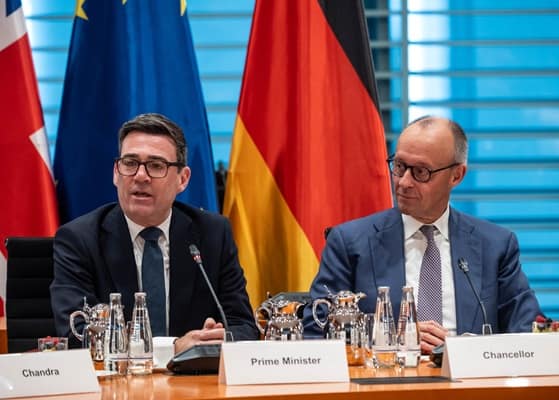
Yet year after year, tens of thousands of people clear it anyway. They’re retirees chasing sunshine and a lower cost of living, younger professionals working remotely, and increasingly families and business owners making a carefully calculated financial decision. Andy Burnham now wants Britain to draw closer to the EU, urging MPs to back deeper ties and declining to rule out rejoining after the next election.
Read more related news:
Inflation is back and ‘markets are running scared’
‘Britain grinds to a halt’: Growth slumps to 0.1% as Budget tax fears explode
Chancellor torpedoes his ‘bat s**t crazy’ £14bn tax raid as fears grow wealthy Britons will flee
Labour’s genius growth plan? Drive out the rich, punish businesses and wonder where the money went
Most of the debate has centred on trade, and the economic case is strong. A warmer relationship would also matter a great deal for the many people who already have one foot across the Channel. Any deal that eases movement, whether through a youth mobility scheme or simpler routes to residency, lowers the cost of a move many households are already weighing. Every form removed and every month cut from an application makes relocation a more realistic option for a wider group of people.
The financial motivation is growing fastest. A record 165,000 millionaires are expected to relocate to a new country this year, according to a widely cited annual study of wealth migration by Henley. The UK is the largest source of departures, and Southern Europe ranks among the strongest magnets. Across our business, relocating to Europe now comes up constantly. Business owners and internationally mobile families are asking detailed questions about residency, tax treatment and how to structure their wealth across borders.
For many, Europe is the obvious first choice: close to home, culturally familiar and a short flight from family. None of this should be seen as a national failure. Mobility is a sign of a confident, outward-looking population, and British people living across Europe build business links, investment flows and networks that benefit both sides. Many eventually return with capital, experience and contacts.
The pattern does carry a clear message for government, however. People who can move are increasingly treating where they live as a choice they revisit, weighing tax, opportunity and quality of life against what’s on offer elsewhere. Making the journey to Europe easier simply sharpens that comparison. If Britain wants its most mobile earners and entrepreneurs to stay, or to come back, it has to compete for them.
This competition is won through a tax system people regard as fair and stable, a business environment that rewards building companies here, and policy predictable enough to plan a life around. Politics adds a further twist. The Conservatives have pledged to reverse Labour’s European moves if they return to power.
With the direction of travel potentially changing at the next election, some families may decide to secure their options sooner rather than wait to see how things play out. A closer relationship with Europe is likely to make Britain wealthier through trade and investment. It’s also likely to make the continent feel nearer than at any time since 2016 for anyone considering a move.
Britons have always looked outward, and Europe has long been their most natural destination.
A reset with the EU led by the new UK Prime Minister is likely to make that decision even easier.


Leave a Comment