
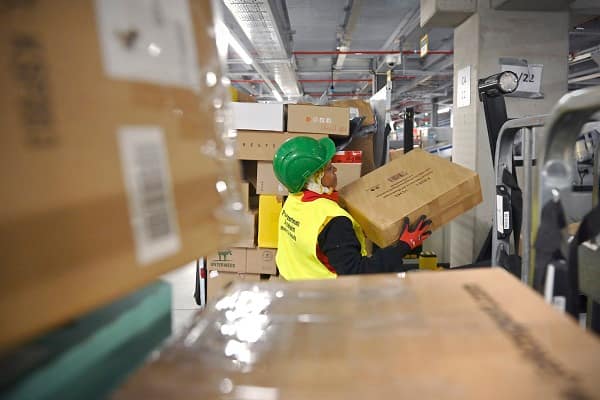
Exporting goods opens the door to new markets and business opportunities, but it also introduces challenges that domestic shipments may not face. Products often travel thousands of miles, pass through multiple handling points, and encounter varying weather conditions before reaching their destination. Without proper packing, even high-quality goods can arrive damaged, resulting in costly delays, unhappy customers, and potential financial losses.
Effective Tuplin Group export packing solutions are about more than simply placing products in boxes. They require careful planning, suitable materials, and an understanding of the journey ahead. Here are some of the most important export-packing best practices to help protect goods in transit.
Understand the shipping journey
Before selecting packing materials, it is essential to consider how the shipment will travel. Exported goods may be transported by road, rail, sea, or air, often involving several transfers between carriers and warehouses.
Each stage of the journey presents risks such as vibration, impact, compression, exposure to moisture, and temperature fluctuations. Understanding these conditions allows businesses to choose packaging solutions that provide the right level of protection throughout the entire supply chain.
Choose strong and durable packaging materials
The first line of defence against damage is the outer packaging. Export shipments require packaging that can withstand far greater stresses than typical domestic deliveries.
Heavy-duty corrugated cartons, timber crates, plywood cases, and reinforced pallets are commonly used depending on the nature of the goods being shipped. The packaging should be strong enough to withstand stacking during storage and transport without collapsing or sustaining damage.
Selecting quality materials may involve a higher upfront cost, but it can significantly reduce the risk of product loss and replacement expenses.
Protect against movement and impact
One of the most common causes of transit damage is movement within the package. When products shift during transportation, they become vulnerable to knocks, drops, and collisions.
Appropriate cushioning materials such as foam inserts, air cushions, corrugated dividers, and protective wrapping can help keep items securely in place. Fragile products should be individually protected and separated to prevent contact with neighbouring items.
The goal is to minimise internal movement while ensuring the goods remain stable throughout the journey.
Guard against moisture and environmental conditions
International shipments often face changing climates and environmental conditions. Goods transported by sea, in particular, can be exposed to high humidity, condensation, and moisture.
Water-resistant packaging materials, moisture-barrier bags, shrink-wrapping, and desiccants can help protect products from damp conditions. Metal products, electronics, paper-based goods, and other moisture-sensitive items require particular attention.
Taking preventive measures against environmental damage can be just as important as protecting goods from physical impact.
Use proper palletisation techniques
Palletisation plays a vital role in export packing. A well-prepared pallet improves handling efficiency while reducing the likelihood of damage during loading and unloading.
Products should be evenly distributed across the pallet to maintain stability. Overhanging boxes should be avoided, as they are more susceptible to crushing and impact damage. Stretch wrapping and strapping can further secure the load and prevent movement during transit.
Proper palletisation also supports safer handling throughout warehouses, ports, and distribution centres.
Ensure clear labelling and documentation
Even the best packaging can be compromised if goods are mishandled due to unclear instructions. Accurate labelling helps carriers identify the contents and handle shipments appropriately.
Labels should clearly display destination details, handling instructions, and any required warnings such as “Fragile”, “This Way Up”, or “Keep Dry”. Export documentation should also be completed accurately to minimise delays and customs complications.
Clear communication throughout the shipping process helps reduce unnecessary risks and confusion.
Consider professional export packing services
For businesses shipping valuable, oversized, or complex goods, professional export packing services can provide additional confidence. Specialists understand international shipping requirements and can design tailored packaging solutions based on the product type and transportation method.
Professional export packing specialists offer expertise in creating packaging solutions tailored to the specific requirements of international shipping. Their knowledge can help businesses protect goods from damage, comply with transport regulations, and reduce the risks associated with long-distance transit. This support can be particularly valuable for high-value equipment, industrial machinery, and fragile products that require specialised handling.
Conduct regular packaging reviews
Export requirements and shipping conditions can change over time. Businesses should periodically review their packing methods to identify opportunities for improvement.
Monitoring damage rates, gathering customer feedback, and assessing shipping performance can reveal weaknesses in current packaging practices. Continuous improvement helps ensure products remain protected as business operations grow and evolve.
Conclusion
Successful exporting depends on delivering products in excellent condition, regardless of distance or destination. Strong packaging materials, effective cushioning, moisture protection, proper palletisation, and clear labelling all contribute to safer transportation and reduced risk.
By investing in sound export packing practices and regularly reviewing packaging performance, businesses can protect their products, enhance customer satisfaction, and maintain a strong reputation in international markets. In the competitive world of global trade, careful packing is not simply a logistical requirement it is a critical part of delivering quality and reliability to customers worldwide.


Leave a Comment