
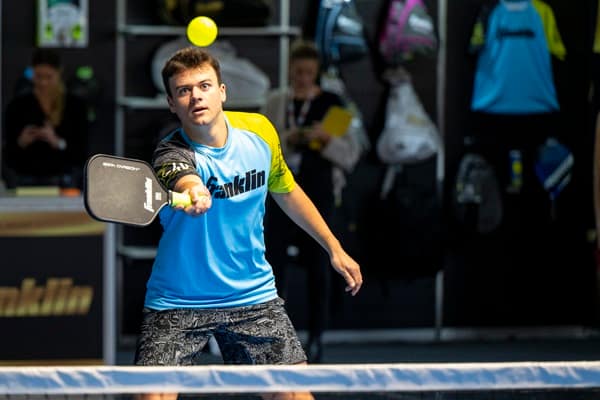
Walk past any converted tennis club or leisure centre on a weekday morning and you’ll likely hear the distinctive pop of a paddle on a plastic ball.
Pickleball has gone from a niche American import to one of the fastest-growing participation sports in Britain, and the commercial side hasn’t caught up with demand yet. That gap is where the opportunity sits.
1. The membership numbers back up the hype
Pickleball England’s registered membership has climbed to more than 40,000, growing at around 65% year-on-year, according to figures reported by racket sports site RacketRise.
That kind of growth curve is rare in any leisure category, let alone one most people had barely heard of five years ago.
2. Councils and leisure operators are playing catch-up
Sport England has formally recognised pickleball as a governed sport, alongside the other home nations’ sports councils, which opens the door to lottery funding and local authority investment that simply wasn’t available three years ago.
Councils are painting pickleball lines onto existing tennis and badminton courts because it’s cheaper than building new facilities, but demand at peak times already outstrips supply in many towns. That creates room for private operators to step in with dedicated indoor venues, particularly through winter when outdoor courts go quiet.
3. The kit and coaching market is still fragmented
Unlike padel, where a handful of large operators dominate court building, pickleball’s supply chain in the UK is made up of small, specialist businesses. Paddles, portable nets, coaching qualifications and beginner sessions are typically sold separately rather than as a joined-up package.
Brands such as Pickleball People, which runs beginner coaching sessions and sells starter equipment bundles aimed at people trying the sport for the first time, are filling that gap by giving newcomers a single, low-friction way in rather than leaving them to piece together courts, kit and lessons themselves.
4. Entry costs are genuinely low compared with other sports
A pickleball court can be marked out on an existing badminton or tennis surface for a fraction of the cost of building a padel enclosure.
Paddles start under £30 retail. That low barrier to entry cuts both ways commercially: it’s easy for new players to try the sport, but it also means margins per player are thin, so volume and repeat participation matter more than one-off sales.
5. The demographic spread is unusually wide
Tournament entries at events like the English Open span teenagers to players well into their seventies, and mixed-ability formats mean businesses aren’t chasing a single narrow customer type. That’s attractive for gyms, hotels and holiday parks looking to add an activity that appeals to families and older members alike, rather than one age bracket.
None of the major UK leisure chains has built a national pickleball offering yet. Padel got there first, with operators like Powerleague already rolling out dozens of courts, but pickleball’s lower build cost and broader appeal give it a genuine case for catching up quickly, particularly for independent operators willing to move before the bigger chains commit capital.
For anyone weighing up leisure sector investment this year, pickleball sits in that increasingly rare position: proven demand, underdeveloped supply, and a customer base that isn’t going anywhere once they’ve had a go.



Leave a Comment