
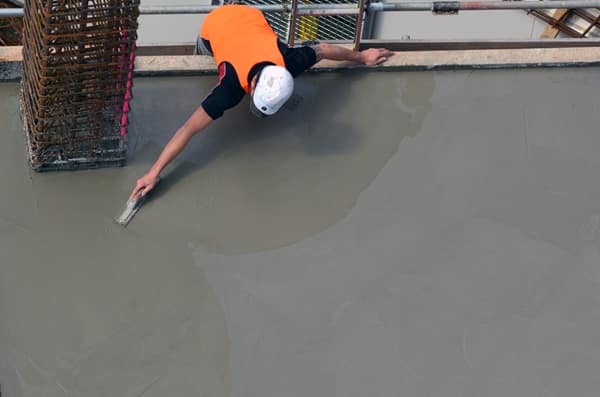
Concrete floors are the foundation of many commercial and industrial spaces. From warehouses and factories to distribution centres and logistics facilities, the quality of the floor can influence safety, productivity and long term operational performance. While a newly laid concrete floor may appear smooth, small variations in flatness can cause major issues once equipment, racking or machinery is installed.
This is where Concrete Flatness Testing becomes an important part of quality control. By accurately measuring the surface of a concrete floor, businesses can identify potential problems early and ensure the floor is suitable for its intended use.
What is concrete flatness testing?
Understanding floor flatness
Concrete flatness testing measures how even and consistent a floor surface is across specific areas. It helps determine whether the floor meets required tolerances for operational performance, construction standards or project specifications.
Flatness is especially important in environments where forklifts, pallet trucks, automated handling systems or precision machinery are used. Even slight irregularities can affect movement, stability and efficiency.
How testing supports quality control
Testing provides measurable data rather than relying on visual inspection. A floor may look acceptable, but specialist testing can reveal dips, ridges or uneven sections that are not obvious at first glance.
This information helps contractors, facility managers and property owners make informed decisions about repairs, handover, compliance and future use.
Why concrete flatness matters
Safer working conditions
Uneven concrete floors can create hazards for staff and equipment operators. In busy industrial spaces, poor surface regularity can increase the risk of trips, unstable vehicle movement and accidental damage.
By testing floor flatness, businesses can identify areas that may need correction before they become safety concerns.
Better equipment performance
Modern warehouses and production environments often rely on specialist equipment. Forklifts, narrow aisle trucks, robotic systems and automated storage solutions may require consistent floor conditions to operate properly.
If the concrete floor is outside tolerance, equipment may experience vibration, instability or unnecessary wear. Over time, this can lead to higher maintenance costs and reduced operational efficiency.
Reduced disruption and cost
Finding floor issues after a building is already in use can be expensive and disruptive. Repairs may require areas to be closed, equipment to be moved and daily operations to be interrupted.
Concrete flatness testing helps identify issues earlier, often before racking, machinery or stock is installed. This allows corrective work to be planned more efficiently.
When should concrete flatness testing be carried out?
After a new concrete floor is installed
Testing is commonly carried out after a new concrete floor has been laid and finished. This helps confirm whether the floor meets the required specification before the next stage of the project begins.
For developers and contractors, it can also provide evidence that the floor has been completed to the agreed standard.
Before installing racking or machinery
High bay racking, automated systems and specialist machinery can place strict demands on a floor. If the floor is uneven, these installations may not perform as intended.
Testing before installation helps reduce the risk of costly adjustments, delays or future operational problems.
During refurbishment or change of use
A building that worked well for one purpose may not be suitable for another. For example, a warehouse being upgraded for automation may need a higher standard of floor flatness than before.
Testing during refurbishment helps assess whether the existing concrete floor is suitable or whether remedial work is needed.
What happens after testing?
Clear reporting and analysis
After testing, the results are usually provided in a clear report showing how the floor performs against the relevant tolerance requirements. This may include areas that meet the required standard and areas that need attention.
A good report helps all stakeholders understand the condition of the floor and the best next steps.
Targeted remedial work
If the floor does not meet the required tolerance, corrective work may be recommended. This could involve grinding, resurfacing or other specialist floor repair methods depending on the level and location of the issue.
Targeted repairs are often more efficient than broad, unnecessary work across the entire floor.
Better planning for future operations
The results of concrete flatness testing can support long term planning. Businesses can use the data to decide where to place equipment, how to design traffic routes and whether the floor is suitable for future upgrades.
Practical example: Warehouse floor testing
Why early testing makes a difference
Imagine a warehouse preparing to install narrow aisle racking and specialist forklifts. If the concrete floor is not tested before installation, uneven areas may only become clear when vehicles begin operating.
This can lead to delays, safety concerns and additional costs. By arranging testing early, the business can correct any issues before the space becomes fully operational.
FAQ
What does concrete flatness testing measure?
Concrete flatness testing measures the consistency and evenness of a floor surface. It identifies variations such as dips, ridges and uneven sections that may affect safety or performance.
Is concrete flatness the same as floor levelness?
No. Flatness relates to how smooth and even the surface is over shorter distances. Levelness refers to whether the floor is horizontally level over a wider area. Both can matter depending on how the floor will be used.
Who needs concrete flatness testing?
Contractors, developers, warehouse operators, manufacturers and facilities managers may need testing, especially when floors support racking, forklifts, automated systems or heavy equipment.
When is the best time to test a concrete floor?
The best time is usually after the floor has been laid and before equipment, racking or stock is installed. Testing is also useful during refurbishment or before changing how a building is used.
Can an uneven concrete floor be fixed?
Yes. If testing shows that the floor is outside tolerance, remedial work can often be carried out. The right solution will depend on the type of floor, the severity of the issue and the operational requirements.
Conclusion
Concrete flatness testing is a valuable step for any commercial or industrial space where floor performance matters. It helps identify surface issues, supports safer operations and provides reliable data for planning, compliance and quality control.
By testing early and acting on the results, businesses can reduce disruption, protect equipment and create a more efficient working environment. For warehouses, factories and specialist facilities, a flat and reliable concrete floor is not just a construction detail. It is a key part of long term operational success.


Leave a Comment