
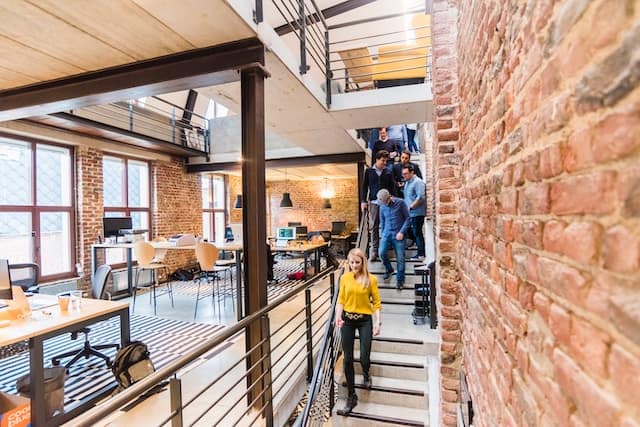
Workplace expectations continue evolving as organisations focus on flexibility, employee experience, operational performance, and long-term resilience. Managing these changing requirements requires more than traditional facilities processes and reactive building management. Increasingly, organisations are adopting Facilities Management Software to support modern workplace management and create more connected, efficient, and responsive environments.
Digital platforms provide facilities teams with greater visibility, stronger coordination, and improved operational control across buildings, services, maintenance activities, and workplace experiences. Rather than operating through disconnected systems and manual administration, organisations can create more streamlined workflows that support better decision-making and improved outcomes.
Companies such as expansive continue supporting this transition by helping organisations introduce digital workflows that strengthen operational performance while creating environments designed for modern working practices.
Supporting modern workplace expectations
The workplace has evolved significantly in recent years. Facilities management is no longer limited to maintaining buildings or arranging repairs. Modern workplace management now supports employee wellbeing, productivity, sustainability, compliance, and business continuity.
Employees increasingly expect workplaces that are comfortable, flexible, efficient, and responsive to changing needs.
Facilities teams must manage:
- Building performance
- Workplace comfort
- Maintenance delivery
- Occupancy demands
- Service coordination
- Environmental performance
Facilities management software helps bring these responsibilities together into a single operational framework.
By centralising information and improving oversight, facilities teams can deliver more consistent service levels while adapting more effectively to changing workplace requirements.
This creates a more structured and scalable approach to workplace management.
Improving service delivery across the workplace
Service delivery remains one of the most visible measures of workplace performance.
When maintenance issues, service requests, or operational tasks are delayed, the overall employee experience can be affected quickly. Traditional processes often create communication gaps that slow issue resolution and increase administrative burden.
Facilities management software improves service delivery by creating structured workflows that allow requests to be logged, tracked, prioritised, and completed more efficiently.
Digital systems help improve:
- Response times
- Communication between teams
- Service transparency
- Task accountability
- Operational consistency
Facilities teams gain better control over workloads, while employees and building users experience faster, more reliable service.
Improved service delivery supports stronger workplace satisfaction and helps organisations maintain more productive environments.
Strengthening operational decision making
Modern workplace management increasingly relies on accurate operational data.
Facilities leaders are expected to make decisions that balance efficiency, cost control, employee experience, and long-term planning. This requires reliable access to information rather than relying on assumptions or fragmented reporting.
Facilities management software supports decision-making by providing visibility across multiple operational areas.
This may include:
- Real-time reporting
- Performance tracking
- Maintenance insights
- Resource allocation
- Service demand patterns
- Building utilisation trends
Access to this information allows facilities managers to identify inefficiencies, prioritise improvements, and make more informed operational decisions.
Data-driven management transforms facilities functions into more strategic contributors across the wider organisation.
Supporting compliance and governance
Modern workplaces must maintain compliance across a broad range of operational requirements.
Tracking inspections, service records, audits, and maintenance activities manually can create significant administrative pressure and increase the risk of missed obligations.
Facilities management software simplifies these responsibilities by creating structured documentation and centralised reporting.
Benefits include:
- Improved record keeping
- Better audit preparation
- Increased operational transparency
- Reduced manual administration
- Stronger governance processes
Digital workflows provide greater confidence that operational requirements are being managed consistently.
Enabling more flexible workplace management
Workplace flexibility has become increasingly important as organisations adopt changing working models.
Hybrid working, fluctuating occupancy levels, and changing business requirements mean facilities teams must manage environments more dynamically than before.
Facilities management software supports flexibility by providing better visibility into building usage and operational performance.
Facilities leaders can respond more quickly to changing requirements while maintaining efficient use of resources.
This adaptability helps organisations create workplaces that support both business objectives and employee expectations.
Supporting long-term workplace development
Successful workplace management requires long-term planning.
Facilities management software provides a scalable infrastructure that allows organisations to continue improving operational performance over time. Digital systems support future growth by creating repeatable processes and improving operational resilience. Organisations that invest in connected facilities operations today are often better positioned to adapt to future workplace trends while maintaining efficiency and service quality.
As workplace expectations continue evolving, digital tools will play an increasingly important role in helping organisations remain agile and competitive.
Frequently Asked Questions (FAQs) about Facilities Management Software
What is facilities management software?
Facilities management software is a digital platform that helps organisations manage buildings, maintenance, operational workflows, compliance activities, and workplace services more efficiently through centralised information and automation.
How does facilities management software improve workplace operations?
Facilities management software improves workplace operations by increasing visibility, automating routine processes, enhancing communication, and providing operational insights that enable faster, more informed decision-making.
Can facilities management software support hybrid workplaces?
Yes. Facilities management software helps organisations manage changing occupancy patterns, coordinate services more effectively, and optimise workplace resources across flexible and hybrid working environments.
Does facilities management software improve compliance?
Digital platforms support compliance by maintaining records, automating reporting processes, and helping facilities teams manage inspections, servicing schedules, and operational requirements more consistently.
Why are organisations investing more in digital workplace management?
Organisations increasingly invest in digital workplace management to improve operational efficiency, reduce manual processes, strengthen employee experience, and create more flexible and resilient workplace environments.
Conclusion
Facilities management software now plays a far more strategic role than traditional building administration. By improving service delivery, strengthening decision-making, supporting compliance, and enabling workplace flexibility, digital platforms help organisations create more efficient and adaptable environments.
With digital solutions delivered by companies such as ExpansiveFM, organisations can strengthen operational performance while creating environments that meet the demands of the modern workplace.




Leave a Comment