
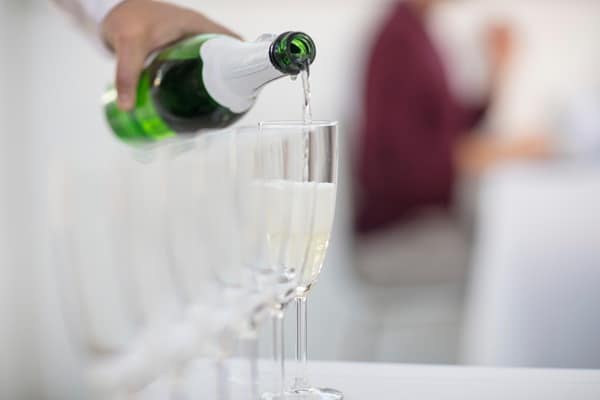
Some bottles are bought for Friday night. Others are bought because the moment itself feels important enough to remember.
That’s where vintage Champagne enters a different category. A bottle such as Dom Pérignon 2015 isn’t simply about having something sparkling in the fridge. It’s often chosen for milestones, celebrations and dinners where the bottle becomes part of the story of the evening.
Vintage Champagne comes from one year
One of the biggest differences between vintage and non-vintage Champagne is right there in the name.
Non-vintage Champagne is generally blended from wines produced across multiple years, helping a house maintain a consistent style. Vintage Champagne, by contrast, is made from grapes harvested in a particular year.
That means the conditions of that growing season matter.
Temperature, rainfall, harvest timing and grape quality all influence the character of the resulting wine. It also means producers don’t necessarily release a vintage expression every year.
Time plays a big role
Champagne can change considerably as it ages.
Younger examples may show brighter citrus, fresh fruit and floral qualities, while time can bring more developed notes such as toast, brioche, nuts, spice or dried fruit.
That evolution is part of what makes vintage Champagne interesting.
It’s not simply about whether an older bottle is “better.” It’s about how flavour and texture develop, and whether you prefer the vibrancy of youth or the additional complexity that can come with age.
Serving temperature matters more than people think
Very cold Champagne can be refreshing, but over-chilling can mute aroma and flavour.
Rather than serving a premium bottle almost frozen, giving it a little more room to express itself can make the experience far more interesting.
The glass matters too. Traditional narrow flutes look elegant and keep bubbles lively, but a slightly wider wine-style glass can allow more aroma to develop.
There’s no need to turn the occasion into a laboratory experiment, but small serving choices can make a noticeable difference.
Champagne works with more than canapés
It’s easy to think of Champagne purely as an aperitif, but many styles are surprisingly versatile with food.
Seafood is an obvious pairing, but Champagne can also work beautifully with roast chicken, creamy dishes, soft cheeses and even certain fried foods. The acidity helps cut through richness, while the bubbles can refresh the palate between bites.
A more complex vintage bottle can often carry an entire meal rather than disappearing after the opening toast.
Storage can protect the Experience
If you’re buying a special bottle ahead of an occasion, storage deserves some attention.
Champagne generally prefers a cool, dark and stable environment away from heat and constant temperature fluctuations. Leaving a valuable bottle sitting in direct sunlight or in a warm kitchen for months isn’t ideal.
For shorter periods, simple sensible storage may be enough. Longer-term ageing calls for more controlled conditions.
The occasion is part of the value
A luxury bottle doesn’t need a complicated justification.
Sometimes the point is simply that opening it makes an evening feel different.
A birthday, anniversary, engagement, promotion or long-awaited reunion can all provide the excuse. The wine itself may be impressive, but the memory attached to it can matter just as much.
That’s really what makes a special vintage bottle worthwhile. It isn’t only about prestige, age or tasting notes. It’s about choosing something memorable for a moment you’ve decided is worth marking properly.





Leave a Comment