
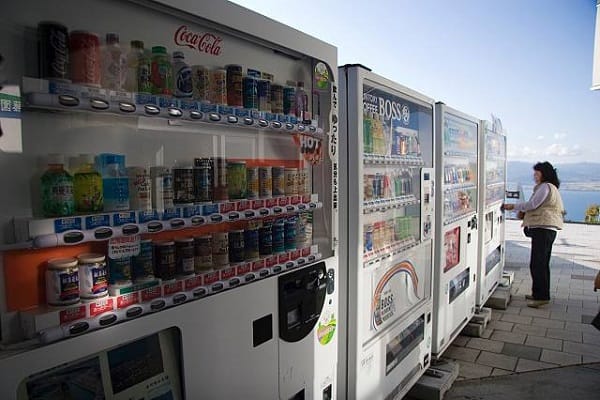
Vending machines used to be grey boxes by the lift that sold crisps and fizzy drinks. Over the last few years they have turned into something else: a small, staff-free shopfront that can carry a brand, take payment by card or QR code, and trade around the clock. Fragrance houses, sports brands, food start-ups and venue operators are all experimenting with machines built or dressed for them.
If you are weighing one up for your business, the hard part is not finding a supplier. It is knowing which questions to settle first, because the answers decide the cost, the timeline and the minimum order. These are the five that matter most.
1. How far do you actually need to customise?
“Custom” covers a wide range. At one end, a manufacturer takes a machine it already builds and changes the outside: your colours, your logo, your artwork on the panels and on the screen. At the other end, it designs a new enclosure, or a whole new machine, around a product nobody has vended before.
The gap between those two is large. As a rough guide, taken from one manufacturer’s published terms:
- An exterior wrap on an existing model usually adds no cost and no time.
- Signage and lighting changes start from around two machines.
- A new enclosure starts from about five machines and takes two to three months.
- A completely new machine, enclosure plus technology, takes three to six months and usually needs ten units, or five with a development fee.
Most first projects do not need the top tier. A strong wrap on a proven machine gets you to market quickly and tells you whether the concept sells before you pay for engineering.
2. What exactly is the machine selling, and how is it made?
A machine that drops sealed snacks is a very different engineering problem from one that makes something fresh: a shake mixed from powder, a cup of popcorn, cotton candy spun by a robot arm, or a measured spray of perfume. Fresh-product machines need food-contact parts, cleaning routines and refill planning.
Ask the manufacturer to walk you through a full refill and cleaning cycle. Ask how many servings one fill produces, because that number sets how often someone has to visit the machine, and that visit is your real running cost.
3. Where will it live?
Location shapes almost every specification. A shopping centre corridor, a gym reception, a hotel lobby and a festival field each have different power, space and footfall. Before you sign anything, confirm:
- The footprint and height, including clearance for doors and service panels.
- The power draw, and whether a standard socket is enough or you need a dedicated circuit. Some fresh-product machines draw well over 2 kW.
- The voltage. Machines are often built in 110V and 220V versions, so make sure yours matches the UK supply.
- Payment. Contactless card, mobile wallets and QR codes are the norm now; cash is optional.
4. Who looks after it when something goes wrong?
This is where cheap projects come unstuck. A machine that sits broken for a week in a busy venue costs more than whatever discount you got on it. Ask:
- Is there remote diagnostics, so a technician can see the fault before anyone travels?
- Which spare parts are stocked, and how quickly do they ship to the UK?
- Is there a named contact, and in which time zone?
- What does the warranty cover, and for how long?
Buying directly from the factory that builds the machine, rather than through a reseller who sources from someone else, tends to make these answers clearer. When the person you call is the person who built it, faults get diagnosed instead of passed around.
5. What does compliance look like in the UK?
Machines sold into the UK should carry the right conformity marking for the market, and anything that handles food or cosmetics brings its own rules on hygiene, labelling and product safety. For food, your local authority’s environmental health team is the right first call. For fragrance, the product you load must meet UK cosmetics regulations even though the machine only dispenses it.
A good manufacturer will supply certificates and technical files. Ask for them in writing before production starts, not after delivery.
What a sensible first order looks like
Most businesses that get this right start small: one or two machines on an existing model, dressed in their brand, placed where they can watch the numbers for a month. If the machine earns its place, a second and a third follow. That is the moment a bespoke enclosure starts to make sense, because by then you know exactly what you are designing for.
To see what the full range looks like, from a simple wrap to a ground-up build, manufacturers such as Futureino publish their options for custom vending machines, including minimum orders and typical lead times. Putting two or three of those pages side by side is a quick way to see where your project sits before the first call.
The bottom line
A branded vending machine can be one of the cheapest physical shopfronts a business will ever open: no lease, no staff, open all hours. The projects that disappoint are usually the ones that started with the design and only later asked about power, service and compliance. Settle those five questions first and the rest of the brief almost writes itself.




Leave a Comment