
Spare a thought for Turki al‑Sheikh, Saudi Arabia’s impresario‑in‑chief for sport and entertainment, the man tasked with reinventing his country as the world’s new sporting Mecca—because that is not going well.
It was Turki’s personal project to turn “Riyadh Season all year round” from slogan into lived reality. Instead, it sits now at the centre of Saudi Arabia’s faltering bid to recast itself, buffeted by the same geopolitical shocks that are shaking the Kingdom’s wider sports‑diplomacy gamble.
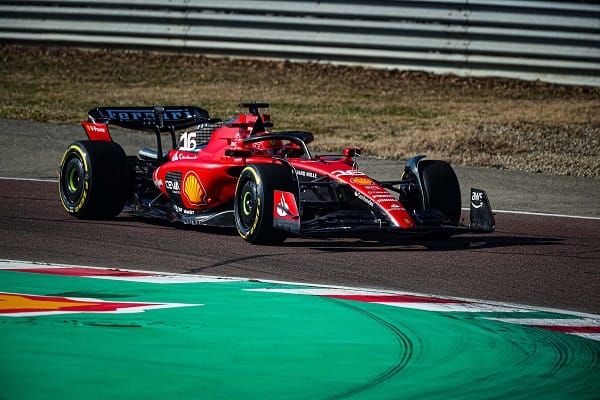
The growing list of cancellations, postponements and funding retreats this year – from the scrapped Bahrain and Saudi grands prix to delayed Asian football fixtures and PIF’s pullback from LIV Golf – shows how quickly the stage beneath Turki al‑Sheikh’s sports spectacular has shifted (see illustration: When the music stopped).

Riyadh season landscape
For several years, Turki al‑Sheikh, as the Kingdom’s chairman of the General Entertainment Authority and a close associate of Crown Prince Mohammed bin Salman, has personified Riyadh’s sporting revolution: signing deals, unveiling events and courting global stars and promoters with the promise of limitless state backing.
His rise has been narrated as that of the fixer who can pick up the phone and conjure a world‑title fight, a new league, or a made‑for‑TV festival, lubricated by sovereign wealth and royal authority. He wields a cheque book large enough to bump the British national anthem from top billing at Wembley in favour of the Saudi anthem, and to see The Guardian’s chief sportswriter barred from a major fight after uttering the word “sportswashing”.
Al‑Sheikh built his reputation on the assumption that Saudi Arabia could offer a frictionless, “plug‑and‑play” stage for the world’s games; the US‑Israeli war on Iran has exposed how fragile that promise always was. A conflict that has snarled regional airspace and raised security fears has triggered this cascade of postponements and cancellations, including even events beyond the Kingdom’s borders. The scrapping or shifting of multi‑team festivals in Qatar have underlined how the supposedly dependable Gulf sports corridor can be brought to a halt by decisions taken in war rooms rather than boardrooms. When carefully choreographed calendars are torn up, al‑Sheikh’s promise of a seamless year‑round Riyadh Season suddenly looks less like a vision and more like a hostage to regional fortune.
The damage is not confined to tourism revenue or broadcast schedules; it cuts directly into al‑Sheikh’s central claim that Saudi Arabia is a reliable, low‑risk host for global spectacle. Federations and promoters can price in human‑rights controversy if the lights reliably come on and the cameras roll; they are far less sanguine about missiles, closed airspace and spiralling insurance premiums. In private, executives who once spoke of “once‑in‑a‑generation opportunities” in the Kingdom now talk instead of “event‑by‑event risk management” — a vocabulary that sits uneasily with al‑Sheikh’s own bravado.
This erosion of confidence extends to supporters, especially in Europe, who were already uneasy about their clubs’ entanglement with what human‑rights organisations describe as Saudi “sportswashing”. The spectacle of matches and grands prix cancelled or moved at short notice offers a fresh line of attack: under al‑Sheikh’s watch, critics can argue, the Kingdom is not only morally problematic but geopolitically unstable as well. That combination strengthens the hand of those urging regulators and leagues to push back harder against the very investments he is championing.
Every cancellation or relocation now doubles as a referendum on Turki al‑Sheikh himself: on his judgement, his assurances and his ability to deliver on the grand narrative he has sold to athletes, sponsors and his own leadership. His position, once enviable, is looking more frayed as he is forced to defend not just the Kingdom’s reputation on human rights, but its basic security credentials as a host.
Regulators and campaigners in Europe increasingly cast his attempted investments in clubs — particularly in England — as a defining test of how far football will allow itself to be intertwined with a senior official accused of fronting the sports‑washing drive. What al‑Sheikh once promoted as an unstoppable march towards sporting centrality now looks more like a grinding, contested advance, with each deal subjected to scrutiny that targets him personally as much as the state he represents.


Leave a Comment