
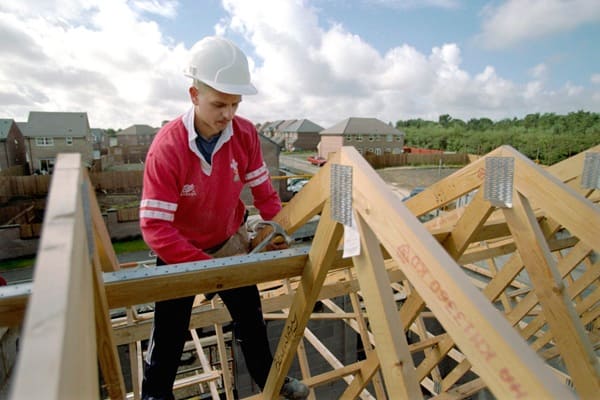
The quest for sustainability has led the construction and wood products industries to a crucial juncture. As the effects of deforestation and climate change become more pronounced, sourcing sustainable lumber is no longer an option but a necessity. The use of sustainably harvested wood ensures the health of forests for future generations while meeting current demands. Understanding what constitutes sustainable lumber and how it benefits the environment is essential for consumers and professionals within the industry. Keep reading to explore how embracing sustainable lumber practices can contribute to building a greener future.
Strategies for builders to source sustainable lumber effectively
Builders seeking to source sustainable lumber face the challenge of navigating a complex marketplace. Establishing relationships with reputable suppliers is key; it ensures a consistent and reliable source of certified lumber. Builders can also engage directly with local forestry operations that are invested in sustainable practices. By doing so, they support regional sustainability efforts and reduce the carbon footprint associated with transportation.
Additionally, harnessing technology can aid builders in sourcing sustainable materials. Platforms that connect suppliers with buyers have emerged, streamlining the procurement process and providing transparency regarding the origins of lumber. Research and due diligence are integral to making informed sourcing decisions.
For those in the UK, organizations such as H&H Forestry offer comprehensive forestry services that prioritize sustainability. Such partnerships can be invaluable for builders who want to ensure that their lumber is not only sustainable but also contributes to best practices in forest management.
The role of certification in ensuring sustainable lumber practices
Certification schemes play a pivotal role in verifying and promoting sustainable lumber. Organizations such as the Forest Stewardship Council (FSC) and the Program for the Endorsement of Forest Certification (PEFC) set standards for responsible forest management. Products bearing their certification labels assure that the wood comes from responsibly managed sources.
In addition to certification, there are other measures in place to ensure sustainable practices, such as a chain of custody documentation and third-party audits. These systems track the journey of wood products from the forest to the final consumer, helping to prevent illegal logging and guarantee the wood’s sustainable origins.
The complexity of forest ecosystems necessitates comprehensive certification standards. These incorporate a variety of considerations, including the protection of indigenous rights, worker safety, and wildlife conservation. The rigorous criteria put forth by certification bodies serve to create a broad-based approach to sustainability.
Exploring the benefits of using sustainable lumber in construction
Using sustainable lumber in construction goes beyond environmental stewardship; it offers a range of practical benefits. For instance, sustainably sourced wood can be of higher quality due to the conscientious management practices that promote the growth of healthy trees. This results in stronger, more durable timber for construction use.
For construction projects aiming for green certification, such as LEED (Leadership in Energy and Environmental Design), the use of sustainable lumber can contribute significantly to achieving certification goals. This can enhance the building’s marketability and fulfill corporate social responsibility objectives.
Moreover, the use of sustainable lumber supports local economies and provides jobs in forest management and wood processing sectors. This drives economic growth in rural areas where opportunities may be limited, fostering community development and stability.
Future trends in sustainable lumber and green building innovations
The future of sustainable lumber is shaped by innovations in forestry and construction. Cross-laminated timber (CLT) and other engineered wood products are expanding the possibilities for using wood in high-rise buildings. These materials are strong, lightweight, and store carbon, offering a sustainable alternative to concrete and steel.
Technological advancements in tracking and verifying the sustainability of wood products continue to evolve. Blockchain and other secure digital ledger technologies may soon provide unprecedented transparency and traceability for lumber, allowing consumers to verify the sustainable origins of their building materials with ease.
Education and awareness about sustainable lumber are also on the rise. As consumers become more discerning, they demand products that align with their environmental values. This public pressure is a driving force behind the adoption of greener practices in the lumber industry, pushing it towards a more sustainable trajectory.
Overall, the adoption of sustainable lumber is a key factor in the global effort to combat climate change and deforestation. By insisting on certified, responsibly sourced wood products, builders and consumers can have a powerful impact on the health of our planet and its forests. Such collective action towards sustainable lumber utilization points to a brighter, greener future in the world of construction and beyond.





Leave a Comment