
More than half of small-business leaders believe ministers are working against them, a survey has found, intensifying pressure on the Government to ease the burden of tax, energy bills and employment costs ahead of the October 28 Budget.
Britain’s small businesses are increasingly losing faith in the Government, with a majority of senior executives saying ministers are working against them as rising costs and mounting administrative demands squeeze firms across the economy.
A survey of 500 senior small-business leaders for the Centre for Policy Studies (CPS) found that 57 per cent believed the Government was working against their interests. The findings deliver a warning to Labour ahead of the Budget that businesses central to employment, local economies and economic growth feel increasingly alienated from the policies intended to support them.
The poll also found that 54 per cent believed the burden of taxation, regulatory compliance and administrative requirements had increased since Labour took office. Just 4 per cent said it had decreased.
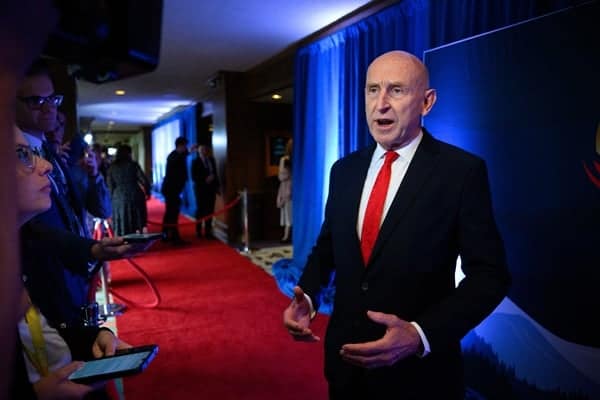
The figures sharpen the challenge facing Chancellor John Healey as he prepares to deliver his maiden Budget on October 28, amid mounting calls for ministers to demonstrate that their economic programme can support businesses rather than add to their costs.
Robert Colvile, head of small business and entrepreneurship at the CPS, said the findings should command politicians’ attention.
“Small businesses make up the overwhelming majority of British businesses, and employ millions of people,” he said. “When those running them don’t feel that the Government is on their side, politicians need to sit up and listen.”
The pressure is building around several costs that employers say are difficult to avoid or absorb: energy, business rates, employment expenses and VAT. Firms also cited shortages of skilled workers, adding to the strain on companies already attempting to manage their payrolls and remain competitive.
For employers, the concern is not simply the level of individual taxes but the cumulative effect of higher costs and administrative obligations. In the 2024 autumn Budget, then-chancellor Rachel Reeves announced that employers’ National Insurance contributions would rise from 13.8 per cent to 15 per cent from April 6, 2025. Increases in the minimum wage have added to employment costs for businesses with large numbers of lower-paid workers.
The CPS warned that the approaching Budget should focus on easing these pressures rather than compounding them, particularly in relation to energy, business rates and the cost of employing staff.
Yet the survey does not suggest that businesses have settled on a political alternative. James Crouch, head of policy and public affairs research at Opinium, said more than twice as many small and medium-sized enterprises believed the Government was not on their side as believed it was. But respondents had not reached a clear verdict on which political party best represented their interests.
That uncertainty creates an opening for politicians across the spectrum. The challenge is to turn promises of support into policies that businesses believe will make a practical difference to their finances and ability to expand.
Crouch noted that many firms continued to expect their revenues to grow despite the pressures they faced. Political leaders, he said, had an opportunity to show how their policies could help unlock that growth.
The Treasury rejected the suggestion that the Government was working against businesses, insisting that the Chancellor was providing firms with room to invest, expand and manage cost pressures.
A spokesperson pointed to business-rates cuts, a cap on corporation tax and a £4.3bn support package intended to limit bill rises. The department also declined to comment on speculation about future tax decisions, saying these would be set out at fiscal events.
That defence sets up a critical test for the Budget. Ministers can point to existing support measures, but the survey suggests that many small-business leaders judge the Government by the costs they actually face — not the assistance announced in Whitehall.
With 57 per cent of respondents believing the Government is working against them, Labour faces a credibility problem among businesses it needs to invest, employ and grow. The Budget will offer Healey an opportunity to address that distrust. Whether the measures announced are enough to change perceptions remains an open question.


Leave a Comment