
A salmonella outbreak that has left more than 200 people ill and killed one has prompted warnings that the true scale of infections could be substantially larger than official figures suggest, as health authorities investigate possible links to imported eggs.
The UK Health Security Agency said 207 cases of Salmonella Enteritidis had been identified between August 11 2025 and August 1 2026, including 199 in England, six in Scotland, one in Wales and one in Northern Ireland.
Almost four in 10 patients were admitted to hospital, while two developed bloodstream infections, highlighting the unusually severe impact of the outbreak.
Damien Tully, an associate professor at the London School of Hygiene and Tropical Medicine’s Uganda Research Unit, said confirmed infections could represent only “the tip of the iceberg”.
Many salmonella infections cause relatively short-lived illness and patients may recover without seeking medical attention or undergoing testing, meaning laboratory surveillance can capture only a fraction of cases.
The outbreak has been under investigation since May, with genomic sequencing used to identify links between infections. Officials are examining several food businesses identified through surveys completed by 114 patients.
Those businesses were supplied by multiple egg sources, including importers. However, the UKHSA stressed that there was currently no identified link to UK-produced eggs or poultry.
Kathleen O’Reilly, an associate professor at the London School of Hygiene and Tropical Medicine, said the proportion of patients requiring hospital treatment was particularly concerning. Previous research has suggested that fewer than 10 per cent of salmonella cases require hospitalisation.
The investigation comes amid heightened scrutiny of imported food supply chains and the safeguards surrounding eggs entering Britain.
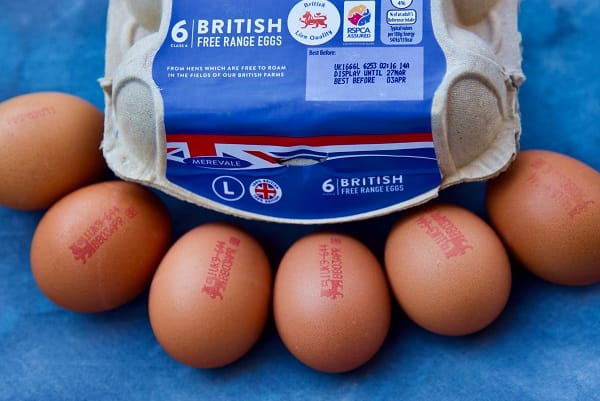
The Food Standards Agency said eggs that are thoroughly cooked and handled hygienically should not present a food safety risk. Vulnerable groups including young children, pregnant people and older adults are advised to eat raw or runny eggs only when they carry the British Lion mark or are produced under the Laid in Britain assurance scheme.
Officials said eating outside the home was a common exposure among those infected, with egg consumption emerging as the strongest food-related link.
The source of the outbreak remains unresolved, leaving health authorities facing the more difficult task of determining whether the 207 confirmed cases represent the visible portion of a substantially larger outbreak.





Leave a Comment