
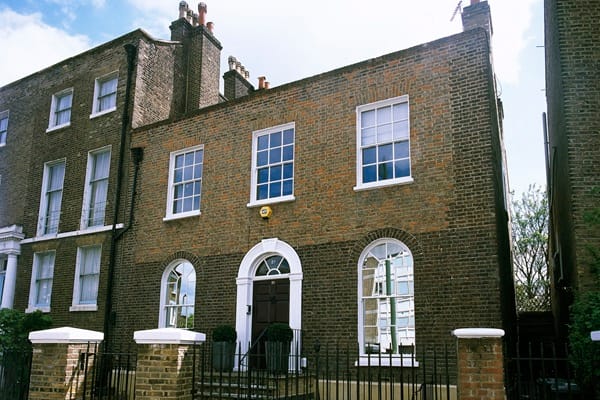
Many beautiful older buildings in the UK exude character and charm. But they also have a lot of structural problems that cause their homeowners headaches and grief, let’s not mention the additional costs they have to pay to fix them. These old buildings often need a lot of care and attention because they have problems like subsidence and dampness. In this article, we’ll talk about eight common structural problems that older homes in the UK have and give you advice on how to detect and fix them before it’s too late.
Foundation problems
The culprit no one suspects: moisture instability. Most foundation problems are traced to water runoff and management issues within the house itself. Many homeowners don’t realise it’s NOT the cracks or the little shifts of the ground itself around their house that are the culprit, but the water runoff or the lack of moisture in the soil compared to before that causes those movements. Some of the most common causes of foundation problems are excessive moisture or “wet” areas near a house’s foundation. Another one is planting a new tree near a house. Trees’ roots may suck moisture from the soil, causing the ground to shrink and shift, or they may draw excess moisture from the area, depending on how the area is being “watered”, leading to movement beneath the ground that pushes the house foundations around.
Because most of the time, the signs on your door or your walls won’t really spell EMERGENCY, a super helpful trick can help know in a cost- and time-efficient manner whether crack/wall issues are due to a foundation problem and whether it’s an urgent matter or not: use blue paint tape. Take a piece of blue painter’s tape and bridge the crack in the wall beneath it. If the piece of tape is torn, there’s still movement. But if the piece of tape is still intact, then the crack is just that, a crack. For homeowners carrying out early checks or small preparatory fixes, having the right power tools can make inspections safer and more accurate – from drilling pilot holes for moisture testing to preparing surfaces before professional repairs begin.
Sagging or uneven floors
The most surprising cause of sagging or uneven floors is not wear on the surface or even the age of the house; it’s the gradual sinking of crawl-space columns, especially in older houses. Original structures often have standing support piers on soft or loose earth that wasn’t tightly compacted. With damp weather causing frequent soil contraction and expansion, the columns can slowly sink, and the floors may seem to slope or feel springy (by a centimetre or two). Uneven and crooked floors can become noticeably slanted, with furniture moving on its own or a ball rolling across a room. When crawl space columns sink, they pull the floors and interior walls downwards, later showing sticky doors and fine cracks around window frames that won’t go away.
Early red flags include slightly bouncy feet, gaps where baseboards meet the floor, and jamming interior doors. These are no longer old house quirks, the underlying structure is shifting or failing. Secondary structures sinking will accelerate sagging, cause wide cracks, and result in severely out-of-level floors. The solution often requires more than re-levelling, like installing additional beams to support load-bearing walls. At worst, a necessary beam added under the existing floor can arrest the problem before a full structural restoration is needed. The moment new play in the floor, cracks, or jamming doors appear, call a professional. The sooner the underlying cause is addressed, the cheaper the fix. Safe access to crawl spaces and temporary stabilisation often require appropriate power tools, such as drills, drivers, and portable lighting, so homeowners can assess damage before it worsens.
Cracked walls and ceilings
Crack movement in two directions (sideways AND up/down, or one side forward and the other side dropping) is the biggest red flag when examining cracks on older UK homes. Cracks that move in two directions are never cosmetic. They’re the tell-tale sign of actual foundation or structural stress. Even if it’s less than 5 mm or a quarter of an inch, cracks that move in two different directions are definitely the most dangerous of them all. What’s alarming about them isn’t just their size; it’s the movement that points to ongoing stresses and strains, or instability, in the foundation or other important load-bearing structures of the home. If cracks widen while buckling or drooping, or if cracks “return” after repair, snap photos and document any movement or widening, then call a structural repair expert to examine the crack or cracks. Understanding cracks that move in two directions distinguishes a simple “cosmetic crack” from one that signals potential structural risk.
Hard cement mortar used in place of the original lime-based mortar is another critical clue. Old properties rely heavily on the joints in their lime mortars. The wall needs to absorb rainwater and breathe to allow stored moisture to evaporate properly. With original lime-based mortars, you don’t get wall failures, damp or mildew. The wall will only start to fail decades after a lime mortar wall was repaired or repointed with hard cement, leading to visible external damp bricks, cracking or spalling, and hairline “mystery cracks”. This issue is often traced back to inappropriate, hard-cement repointing, where lime mortar repointing can stop mystery cracks from worsening and prevent structural damp.
Deteriorating roof
Some people watch for red flags, like water stains inside and outside the home and missing roof tiles, but what is often overlooked is that rising energy bills are telling a different story. A sudden increase in energy bills indicates that something is wrong with roof insulation and/or ventilation. Older houses with cracks in mortar around the eaves and damaged roofing underlay can leak heat while allowing moisture to seep inside, creating a vicious cycle that increases bills before any visible water staining appears.
Another commonly overlooked red flag is the presence of shingle granules in gutters. A buildup of granules often occurs months before leaks appear, signalling that the protective layer is already compromised. Homeowners who address this early can extend the life of their roofs, while those who delay may need full membrane replacement within a year. Routine inspections and early maintenance are far easier when you’re using the right power tools, particularly for safely clearing gutters, checking fixings, or securing loose elements before moisture damage sets in.
A “wait and see” response to roof issues is especially risky in the UK’s wet climate. Minor roof leaks can cause timber and plaster damage within 6 months. Water damage caused by neglect is typically not covered by insurance, as insurers consider a sound roof a pre-existing condition. These signs should be treated as amber warnings requiring action within weeks, not months, particularly in older UK homes where delays become significantly more costly.
Ruined masonry
Failure in just a few joints in pointing can trigger a domino effect throughout a building’s structure. In older pre-war buildings, a small amount of cracked mortar that barely warrants attention can, after several wet winters, allow moisture to penetrate deeper into walls. This leads to plaster falling off interior walls, bricks popping or spalling on visible brick faces, erosion on window frames, efflorescence around walls, rising heating costs as insulation becomes imbued with moisture, and bricks shifting out of place, disturbing the overall structural balance beyond cosmetic damage. Medium-sized buildings pay high costs for mould remediation and insulation replacement because damaged masonry left leaky walls, rotting embedded timber and fostering black mould long before visible cracks appeared. Walls on north-facing and higher floors erode faster, accelerating decay timelines.
Non-urgent repairs or overlooking minor masonry warning signs can make failures in older homes far more dangerous and costly, as damage remains mostly unseen until hidden components like insulation and structural joining masonry are compromised.
Using the wrong repair products further accelerates deterioration. Hard cement repointing on historic masonry, painting over old mortar, or “fix it and forget it” approaches create spalling brick faces and interior damp problems. Proper restoration requires addressing moisture causes, using appropriate lime mortar compositions to restore breathable balance, and refraining from painting until masonry is fully dry, ensuring decades of masonry integrity.
Chimney and flue issues
The removal and sealing of a chimney’s redundant flues without any form of ventilation poses an infallible latent moisture trap, despite not using the chimney itself. The missing ventilation in an otherwise blocked-off flue means that external water ingress from failed flashing, cracked mortar, or defective chimney crowns cannot evaporate, leading to dampness, condensation, and eventually mould growth. This hazard is particularly dangerous because it is unlikely to be discovered during basic inspections, often presenting only faint water staining and musty odours. Sealed and non-ventilated redundant flues combined with open mortar joints and failed flashing can result in significant repair costs and lost income, while severely weakening the structural integrity of the masonry stack, chimney, flue liner, and finishes, and fostering hidden mould, mildew, allergens, and respiratory issues.
Freeze-thaw cycles further accelerate chimney liner damage. Water entering hairline cracks can freeze, expand cracks, and cause internal disintegration of flue linings, often unnoticed until hazardous breaches allow gases like carbon monoxide to escape or compromise structural safety. Prevention includes secure chimney caps, concrete crowns, intact flashing, and adequate waterproofing. Annual expert inspections are cost-effective and help preserve chimneys and flues while preventing expensive structural repairs.
Pest control problems
One of the most dangerous and often ignored ways pests can damage a home’s structure is by living in secret for years, often in hard-to-reach, cluttered places. It’s hard to check for pests when bedrooms, basements, crawl spaces, and walls are full of stored items. Termites can eat through sill boxes, rim joists, and sill plates that are hidden behind furniture and insulation. This can weaken important supports before damage is found. By the time inspections are conducted, the floors may be close to failing, which can lead to extensive cracks, creaks, and repair costs of more than £80,000 ($100,000). Termites do best when infestations are hidden, so inspections need to be able to see and get to all areas.
Many homeowners think that sagging, creaking, or water-stained beams are just cosmetic problems, not structural threats. If you ignore beams that are clearly sagging or don’t tell structural engineers and pest control experts about your worries, you could end up with a serious infestation that goes unnoticed until the building is about to fall, which could cost more than £90,000 to fix. Older homes are not safe from serious structural problems. To stop pest infestations from becoming structural disasters, you must clear out stored items, schedule whole-home inspections, and report visible warning signs to qualified professionals.
Old plumbing
Hidden health hazards of old plumbing systems, beyond leaking or rusty pipes, include harmful bacteria, especially Legionella, which can thrive in hot-water systems if they are not installed properly or if the systems are old and poorly maintained. London prewar homes are old enough to have hot water tanks or hot water pipes without any inspections for years, and ‘flu-like’ symptoms affecting all occupants of several homes have been traced to hot water-system failures. Most homeowners are already on high alert about the risk of flooding if their hot water system fails, but they fail to recognise the health hazard and its signs, like hot water running lukewarm all the time and musty odours coming from taps or drain pipes. It cannot be stressed enough that if those symptoms are present, getting a full plumbing system inspection must take priority, not only to save pipes and homes but also households.
Other than checking for water stains or listening for dripping sounds, affordable early-detection methods include placing dye tablets in toilet tanks to detect slow leaks and installing automatic shutoff valves with drip pans for loft water heaters. Proper early detection, inspection, and modernisation of old plumbing systems help homeowners avoid losses, save thousands of pounds in repairs, protect their health, save time, and prevent major disruption.
Conclusion
Living in an older home can be daunting. Small quirks can become larger structural concerns, and there are many aspects to getting it back together again. In fact, what you can learn from living in an older home is that many of the largest problems will give early warning signs and that it is important to act quickly on the signs that something is wrong. You should keep an eye on minor changes in your home, maintain moisture levels, and call in the right pros to address potential issues before they escalate into more significant damage. You will help to maintain the unique characteristics of your home while protecting it for future generations. Historic homes are not typically perfect to continue. However, with a well-informed approach and the right attitude, you can address any immediate concerns and prevent them from becoming costly future repairs.


Leave a Comment