
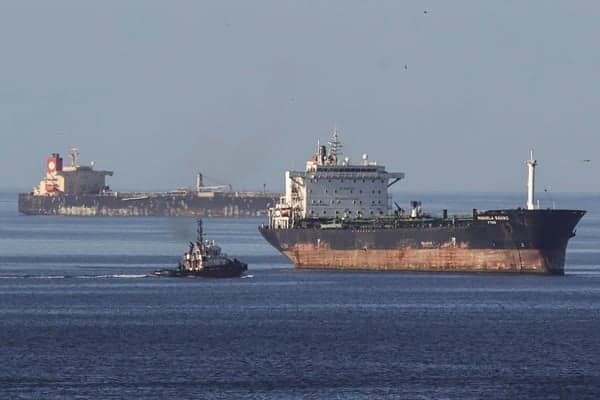
Russia has begun importing gasoline from India by sea in a remarkable reversal for one of the world’s largest energy exporters, as Vladimir Putin’s government struggles to contain a growing domestic fuel crisis triggered by Ukrainian attacks on the country’s oil infrastructure.
According to Reuters, at least 60,000 metric tons of gasoline have already been shipped from India to Russia, with two tankers each carrying between 30,000 and 40,000 metric tons of fuel.
Industry sources also said Moscow is planning to import up to 400,000 metric tons of gasoline every month from several countries, including neighbouring Belarus, as the Kremlin scrambles to plug widening shortages.
The extraordinary move comes after weeks of Ukrainian drone strikes on Russian oil refineries and fuel infrastructure, which have significantly reduced domestic gasoline production and placed growing pressure on supplies across the country.
Read more related news:
Starmer told defence plan ‘doesn’t add up’ warning ‘the Kremlin can count’
Ukraine turns the Kremlin’s safe zone into a battlefield
Putin’s victory myth explodes: Ukraine exposes Russia’s ‘mighty’ war machine running on empty
The shortages have already begun to affect daily life across Russia.
Authorities have introduced fuel rationing in several regions, while long queues have formed at petrol stations as motorists struggle to fill their vehicles.
The situation has become particularly acute during the busy summer holiday season, when domestic gasoline consumption typically exceeds 110,000 metric tons every day.
The Khanty-Mansi Autonomous Okrug, responsible for around 40 per cent of Russia’s oil production, is among the regions where restrictions on fuel sales have already been introduced.
Meanwhile, Russian motorists have been hit by the sharpest increase in gasoline prices in two decades as demand outstrips supply.
The fuel crisis follows a sustained Ukrainian campaign targeting Russia’s energy infrastructure.
Since the beginning of the year, Ukrainian drones have repeatedly struck refineries, fuel depots and oil storage facilities hundreds of miles behind the front line.
The strategy is designed to reduce Russia’s ability to supply both its civilian economy and military operations by disrupting refining capacity rather than crude oil production itself.
The attacks have forced the temporary shutdown of several major refineries, reducing gasoline output and exposing vulnerabilities in Russia’s domestic fuel market despite the country’s vast oil reserves.
The Kremlin has now openly acknowledged the need for foreign fuel supplies.
Russian officials recently confirmed they were holding discussions with several countries over gasoline imports, saying purchases would proceed if prices were acceptable.
Moscow has also sought emergency supplies from neighbouring Kazakhstan, requesting 50,000 metric tons of AI-92 gasoline, while Belarus has continued exporting fuel to Russia.
The identity of the Indian refinery supplying the latest shipments has not been disclosed.
Russia remains one of the world’s largest crude oil exporters and a major supplier of refined petroleum products to international markets.
Yet the need to import gasoline highlights the growing impact of Ukraine’s long-range strikes on the infrastructure supporting Russia’s energy sector.
While Moscow continues to earn billions from crude oil exports, the damage inflicted on refining capacity has created an increasingly uncomfortable contradiction: an energy superpower forced to import fuel to keep its own pumps supplied.
As Ukraine expands its campaign against Russia’s economic and military infrastructure, the Kremlin faces mounting pressure to protect critical energy facilities while maintaining domestic fuel supplies.
For Putin, the optics are stark. A country renowned for its oil wealth is now relying on foreign gasoline to meet demand at home—a striking illustration of how Ukraine’s drone campaign is reshaping the economic realities of the war.


Leave a Comment