
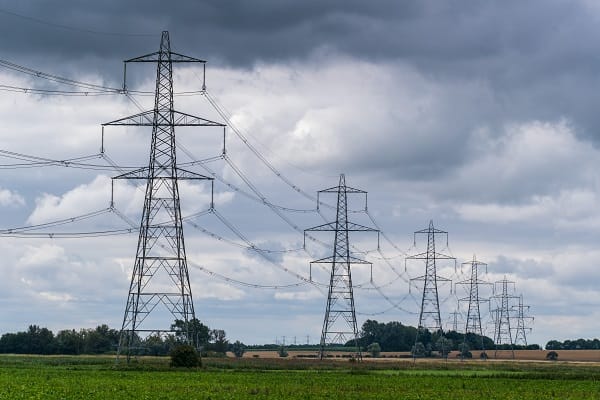
Britain’s electricity system has been pushed to the brink this week as the record-breaking heatwave exposed growing vulnerabilities in the nation’s energy network.
The UK was forced to pay extraordinary prices for emergency electricity imports from Europe after domestic generation failed to keep pace with surging demand.
On Wednesday evening, Britain reportedly paid almost £1,400 per megawatt hour for imported power — around 16 times higher than normal wholesale prices — as the National Energy System Operator (Neso) raced to secure supplies.
The emergency purchases, largely from the Netherlands, provided up to 2.3 gigawatts of electricity but came at a cost estimated at around £11 million in a single evening.
The scramble came as temperatures soared across Britain, driving millions to use fans and air conditioning while heat reduced the efficiency of parts of the electricity system.
Neso has since issued another warning that electricity supplies could become tight again, requesting an additional 700 megawatts of generating capacity between 7pm and 10pm on Friday.
The operator insisted the warning was a routine measure and did not mean the country faced an immediate blackout risk.
But energy experts warned the crisis exposed deeper problems with Britain’s power planning.
Critics accused Neso of failing to anticipate how quickly demand would rise during extreme heat, leaving the grid operator forced into expensive last-minute action.
Energy consultant Noémie Baud said forecasts appeared to have underestimated demand by as much as three gigawatts — the equivalent output of several major power stations.
“The UK now has a lot of shops, industry and businesses, and they all have aircon,” she said, arguing that changing energy use patterns had not been fully reflected in forecasts.
Kathryn Porter from Watt Logic said the situation showed the system had been caught unprepared.
She said Neso had effectively been left having to “beg” for additional electricity supplies rather than relying on sufficient domestic capacity.
The pressure was intensified by a combination of factors.
Several gas-fired power stations were offline for planned summer maintenance, while EDF confirmed that four of Britain’s remaining nuclear reactors were unavailable due to repairs and faults.
The extreme temperatures also created challenges for renewable and conventional power sources.
Solar generation suffered as panels became less efficient in excessive heat, while nuclear and gas facilities faced difficulties managing cooling systems.
Across the Channel, France also experienced disruption, with some nuclear plants reducing output because river temperatures became too high for cooling operations.
The heatwave has highlighted a growing challenge for Britain’s energy system: as extreme weather events become more frequent, demand peaks are becoming harder to predict while some traditional sources of reliable power remain unavailable.
The immediate crisis may pass when temperatures fall.
But the warning from the week’s events is clear — a hotter, more unpredictable climate is placing new pressure on a grid already undergoing a major transformation.


Leave a Comment