
The scale of pressure facing Britain’s public finances has been exposed after government borrowing surged beyond expectations, with soaring debt interest payments pushing borrowing to one of its highest levels on record.
Official figures showed the Government borrowed £23.3 billion in May — almost a third higher than the same month last year and far above forecasts from economists and the Office for Budget Responsibility.
The increase marked the second-highest May borrowing figure since records began, surpassed only by the extraordinary spending demands of the pandemic.
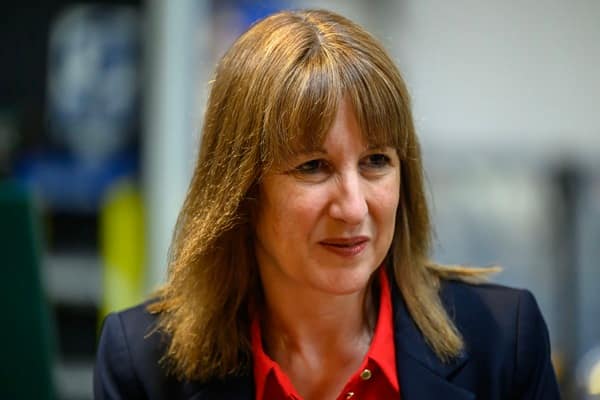
The figures highlight the mounting challenge facing Chancellor Rachel Reeves as the Government attempts to maintain its fiscal rules while confronting higher debt costs, weaker growth prospects and renewed global instability.
A major driver behind the increase was the cost of servicing Britain’s debt.
Interest payments jumped by £4.1 billion compared with a year earlier to £11.7 billion, the highest May figure ever recorded, as inflation-linked government bonds became more expensive to service.
The rise comes as financial markets reassess the outlook for the UK economy following heightened uncertainty caused by the conflict in the Middle East and growing concerns over global growth.
Long-term borrowing costs have climbed, adding further strain to the Treasury’s efforts to bring down debt while protecting public spending.
The figures arrive at a politically sensitive moment for Sir Keir Starmer’s government, following Andy Burnham’s victory in the Makerfield by-election and renewed speculation over a potential Labour leadership challenge.
The Greater Manchester Mayor has sought to reassure investors by backing Labour’s existing fiscal framework, including the commitment to balance day-to-day spending with tax revenues by the end of the decade.
However, the latest borrowing figures underline how difficult that promise may prove.
The ONS said borrowing during the first two months of the financial year reached £46.3 billion — £8.9 billion higher than the same period last year and £7.7 billion above the OBR’s forecast.
Tom Davies, senior statistician at the ONS, said higher spending on debt interest, public services, investment and benefits had outweighed increased tax receipts.
“Borrowing in the first two months of the financial year was nearly £9 billion higher than the same period of 2025,” he said.
The Treasury insisted the Government remained on course with its economic strategy.
Chief Secretary to the Treasury Lucy Rigby said global pressures, including the Middle East conflict, had affected economies worldwide but argued that Britain’s approach would provide stability.
“We have the right economic plan to deal with these challenges — protecting families and businesses from rising costs, while cutting borrowing at a faster rate than any other G7 economy,” she said.
But the latest data places renewed focus on the Government’s narrow financial margins.
With borrowing rising faster than expected and debt interest costs reaching record levels, ministers face the difficult task of convincing markets that Britain can fund its ambitions without further fiscal pressure.
The warning from the bond markets is clear: higher borrowing costs leave governments with less room for manoeuvre — and every new shock makes the balancing act harder.


Leave a Comment