
Fears of fuel rationing are mounting across Europe as officials warn the global energy crisis triggered by the war with Iran could have “long-lasting” consequences.
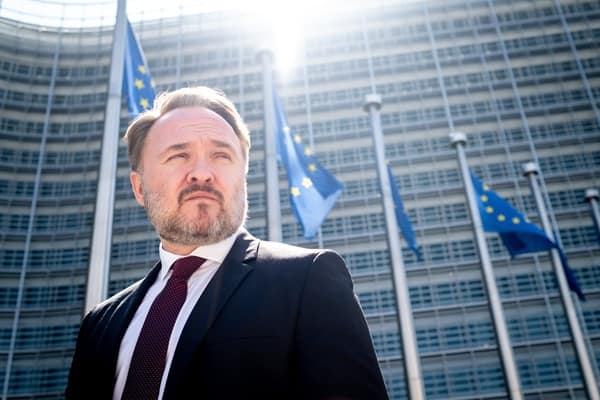
The European Union is now exploring “all possibilities” to manage the crisis, including the introduction of fuel rationing and the release of emergency oil reserves, according to Energy Commissioner Dan Jørgensen.
In an interview with the Financial Times, Jørgensen warned that the situation is deteriorating rapidly as Tehran continues to disrupt global supplies. “It’s better to be prepared than to regret,” he said, stressing that while Europe is not yet in a full-blown supply crisis, officials are planning for “structural, long-lasting effects.”
At the centre of the crisis is the Strait of Hormuz, through which around a fifth of the world’s oil and liquefied natural gas typically flows.
In retaliation for US and Israeli strikes, Iran has effectively blocked the waterway, targeting tankers and deterring shipping firms and insurers from operating in the region. As a result, there has been a sharp contraction in supply and a surge in prices.
Crude oil has climbed above $109 a barrel, up from roughly $70 before the conflict began, while petrol, diesel and jet fuel costs have all risen sharply across Europe.
In the UK, unleaded petrol prices have increased by around 22p per litre to an average of 154.45p. At the same time, diesel has jumped by 43p to approximately 185.23p — placing fresh strain on households and businesses already grappling with high living costs.
Although Britain is no longer part of the EU, the bloc’s response is expected to have significant knock-on effects. Industries heavily reliant on fuel — from logistics to aviation — are particularly exposed.
Prime Minister Keir Starmer confirmed that the Government is closely monitoring developments, revealing that a COBRA emergency meeting has been convened.
“That is being monitored daily,” he said, when asked whether Britons should change their behaviour in response to the crisis.
Meanwhile, Home Secretary Yvette Cooper accused Tehran of attempting to “hold the global economy hostage” through its actions in the Gulf.
The UK and its allies are pushing for the reopening of the Strait, with discussions underway on potential sanctions and other measures to pressure Iran.
Officials warn that if the blockade continues, more drastic steps — including coordinated fuel-saving policies or rationing — may become unavoidable.
For now, the message from European capitals is one of caution rather than panic. But with supply chains tightening and prices continuing to rise, the prospect of rationing — once unthinkable — is now firmly on the table.


Leave a Comment