
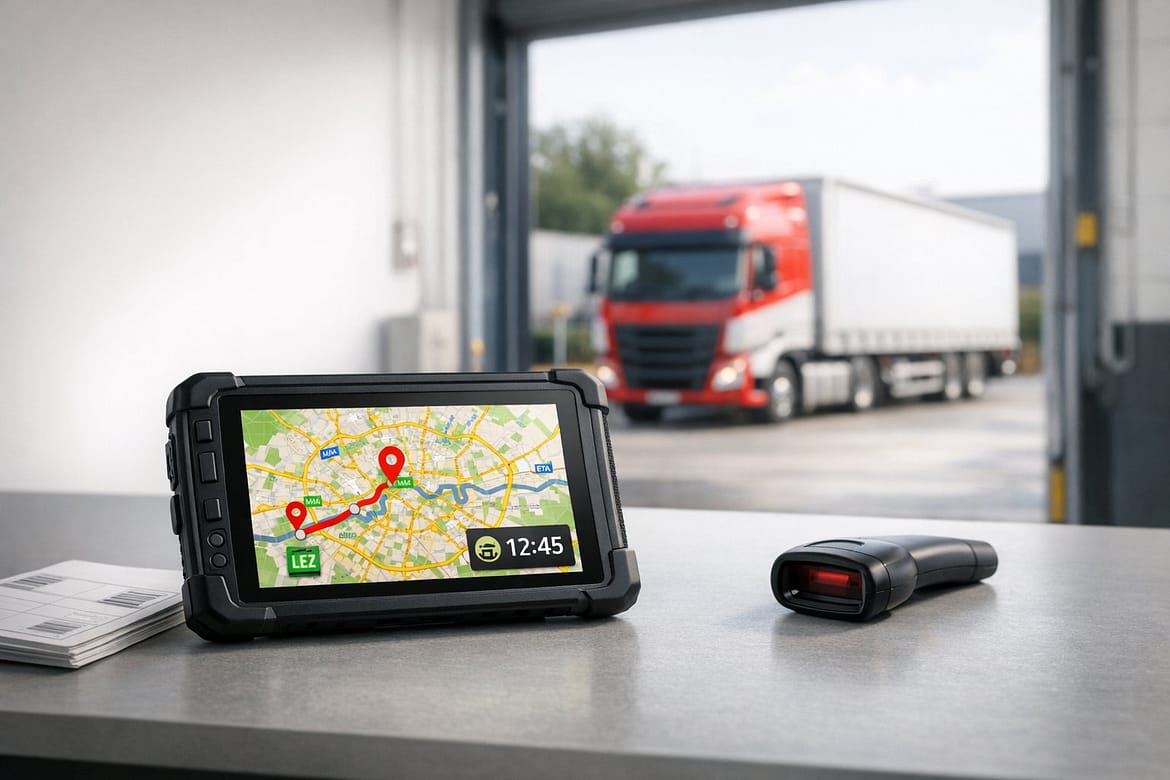
Modern logistics in London and across the UK faces mounting pressures for faster, more reliable deliveries and increased operational efficiency. Digital technologies now underpin many haulage operations, providing London-based operators and road freight companies with essential tools for real-time monitoring, advanced planning, and improved transparency. These digital improvements help businesses manage rising costs, stricter compliance requirements, and high customer expectations within the UK logistics sector.
Intense competition and tightening regulations throughout the UK, especially in busy markets like London, are accelerating innovation in freight management and Haulage Services. Haulage services benefit directly from new technologies by enhancing transparency, automating routine tasks, and reducing human error. Businesses within the region increasingly rely on data-driven decision-making to respond promptly to volatile market conditions, contain costs, and address evolving compliance requirements. By understanding how digital systems streamline logistics processes, you gain insight into how UK-based logistics providers adapt to a highly regulated and demanding environment.
Industry pressures requiring rapid digital adoption
The current London logistics environment requires you to address inefficiencies in traditional haulage models. Delivery schedules have become more demanding, while fuel prices and regulatory costs present ongoing challenges, especially for operators working within Greater London. With margins under continuous pressure, you must deliver on time while maintaining service quality and compliance with UK-specific standards such as low emission zones and congestion charges.
As customer expectations rise, digital technologies empower you to meet these demands by improving operational transparency. Greater visibility enables more effective resource management, helping you contain overheads and comply with regional regulations. As a result, you can achieve higher service levels and strengthen your market position within London and wider UK distribution networks.
Real-time data enhancing fleet performance insight
The use of telematics gives you access to up-to-the-minute tracking data from both vehicles and drivers. For UK road freight operators, these technologies offer vital tools to identify unsafe driving habits, schedule timely maintenance, and reduce unnecessary downtime. Access to real-time data is particularly valuable when responding quickly to disruptions on London’s roads or within the national supply chain.
By gathering and assessing vehicle and driver performance metrics, you can actively manage fleet safety and equipment health. This improves road safety standards and extends asset life by preventing avoidable repairs. Maintaining fleet efficiency is critical for meeting challenging delivery windows and building trust with clients across the region.
Automation and optimisation of planning at scale
Automated planning tools have transformed how you manage scheduling and routing for haulage operations. Unlike traditional processes, advanced algorithms can implement dynamic routing and smart load consolidation, which are especially beneficial for urban environments like London where road conditions and delivery windows often change. These software solutions increase agility and support reductions in fuel use.
Dynamic route optimisation ensures that disruptions, such as traffic congestion or last-minute delivery changes, do not impact schedules. Smart planning also helps reduce unnecessary journeys through better route selection and enables more accurate estimated times of arrival for all consignments. This contributes to efficiency and supports improved relationships with business partners by minimising disputes and missed deadlines.
Full supply chain connectivity and robust cybersecurity
Integrating your fleet, warehouse, and order management systems gives you end-to-end visibility across the entire supply chain. For London haulage operators, this connectivity allows you to respond quickly to supply chain issues, allocate vehicles and drivers efficiently, and maintain clear communication channels. Having accurate information available in real time results in fewer errors and faster issue resolution, even in the most complex logistics scenarios.
As digital technology becomes integral to haulage operations, data protection and cybersecurity have gained prominence. Maintaining the security and integrity of operational data is crucial for compliance with UK regulations and for minimising risks to business continuity. Regular system reviews, strong access controls, and compliance with local data standards help you avoid common security threats in the logistics sector.


Leave a Comment