
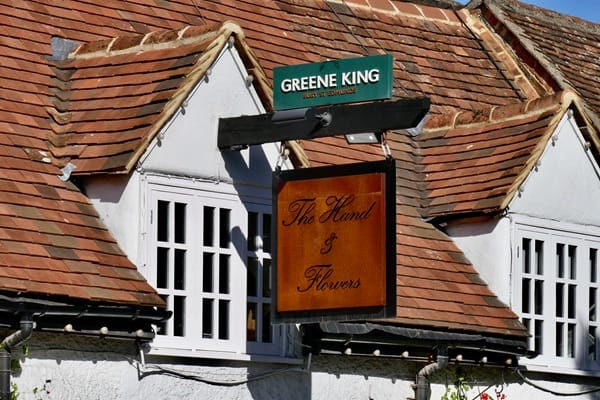
Andy Burnham has placed Britain’s struggling pubs, clubs and live music venues at the centre of his economic revival strategy, unveiling a 20 per cent cut in business rates that marks the latest attempt by the new Government to ease pressure on high streets while reviving local economies.
From April next year, almost 32,000 hospitality businesses in England will receive the discount, saving the average pub around £1,100 a year.
The measure will be financed by reducing reliefs for businesses ministers argue contribute less to local communities, including some vape shops and online marketplaces that fail to meet tax obligations.
The announcement is Burnham’s third major cost-of-living intervention in as many days, following the removal of VAT on household electricity bills and the return of the £2 bus fare cap.
Together, the policies reflect an administration seeking to demonstrate immediate action on household finances while signalling a broader shift in economic priorities.
This Government will back the businesses that people want to see in their communities,” Burnham said, describing pubs and local high streets as the “beating heart” of Britain.
The move comes after years of mounting pressure on the hospitality sector. Business rates relief introduced during the pandemic has gradually been withdrawn, while soaring energy costs, wage inflation and higher borrowing costs have squeezed margins. The British Beer and Pub Association estimates almost two pubs closed every day during the first quarter of 2026.
Yet questions remain over whether the relief will be sufficient. Operators warn that recent property revaluations have pushed business rates sharply higher, leaving many venues facing bills that have more than doubled. Others fear eligibility rules could again exclude businesses that function as pubs but fall outside narrow administrative definitions.
For investors and business owners, the announcement offers an early indication of Burnham’s economic philosophy: targeted intervention designed to support labour-intensive local industries while shifting more of the tax burden towards larger commercial operators. Whether that approach can revive Britain’s hospitality sector without requiring broader tax rises will become clearer when the Government unveils its first Budget later this year.


Leave a Comment