
Britain’s workers may be looking forward to beer gardens and beach holidays, but the summer months are creating a productivity challenge for employers as motivation and concentration weaken while workloads increase, new research suggests.
A survey of more than 1,000 UK workers by online printer instantprint found that 26 per cent struggle to remain motivated at work during the summer, while 35 per cent experience occasional difficulties maintaining focus and concentration as temperatures rise.
At the same time, the traditional assumption that summer brings a quieter period at work appears to be misplaced. More than one in three workers (34 per cent) said their workload increases during the summer, as colleagues take annual leave and businesses contend with seasonal demand.
The combination of heavier workloads and declining concentration could leave employers facing a difficult balancing act during the peak holiday period.
The research found that 38 per cent of workers take more breaks during the warmer months, while 42 per cent take more annual leave. Almost half, 46 per cent, said they would prefer alternative working hours during the summer, including earlier starts, earlier finishes or greater flexibility.
Only 27 per cent said they were completely satisfied with their current working arrangements during the summer period.
The findings suggest that fixed working patterns are increasingly at odds with employees’ preferences during the warmer months, particularly as longer daylight hours and school holidays create additional demands on workers outside the workplace.
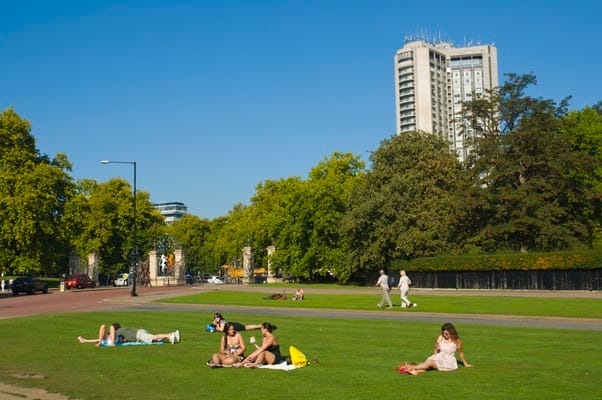
Summer is also changing where employees choose to work. Three in 10 respondents said they regularly work outdoors during the summer, using gardens, patios, parks and other outdoor spaces where possible. A further quarter said they worked outside occasionally.
The shift reflects broader changes in working practices as hybrid and remote working become more established, while employees seek greater flexibility and a clearer separation between work and personal life.
For employers, however, flexibility may need to be balanced against the operational pressures created when large numbers of employees take holiday at the same time.
Vicki Russell, Head of TX at instantprint, said:
There’s a common assumption that summer automatically makes people happier and more productive, but our research suggests the reality is more complicated.
“Many workers are balancing increased workloads, holiday cover and changing routines while also trying to make the most of the warmer weather. It’s understandable that motivation can dip during this period.
The businesses that perform best during summer are often those that recognise these challenges and adapt accordingly, whether that’s through flexible hours, encouraging regular breaks or ensuring workloads remain manageable while colleagues are on leave.





Leave a Comment