
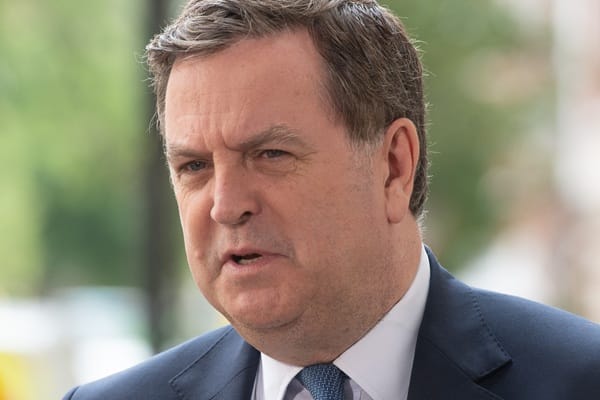
Kemi Badenoch has wielded the axe in a major Conservative reshuffle, sacking shadow Chancellor Sir Mel Stride and installing business heavyweight Andrew Griffith as she attempts to breathe new life into the battered Tory opposition.
Mr Griffith, the former shadow business secretary, has been promoted to the Treasury brief, while Claire Coutinho takes over as shadow business secretary.
Dame Priti Patel is also leaving her post as shadow foreign secretary, with Tom Tugendhat taking over the role, as Ms Badenoch dramatically reshapes her top team ahead of the Conservative Party conference in October.
The shake-up comes as the Conservatives struggle to rebuild their political fortunes following their devastating 2024 election defeat, while facing an increasingly formidable challenge from Reform UK.
Sir Mel, who had served as shadow chancellor since November 2024, will now return to the backbenches.
Ms Badenoch attempted to strike a conciliatory tone as she announced his departure, praising his role in restoring the party’s economic credibility.
“Like Priti, Mel came into the job at an exceptionally difficult point for the Conservative Party.
“He brought experience, seriousness and stability when those things were badly needed. He helped us steady the ship, rebuild economic credibility and become an effective opposition, and I am genuinely grateful for his contribution.
“The Conservative Party would not have got where we are without his work and his very effective skewering of Rachel Reeves and her disastrous time as Chancellor.
Mel has been very supportive of the new economic team and the Party, and been exceptionally loyal, and I will always be grateful to him for the work he has done.”
The promotion of Mr Griffith represents a clear attempt to put economic growth and business at the heart of Ms Badenoch’s strategy.
A senior Conservative source said: “Kemi is changing the way the Conservative Party approaches economic policy and creating a new economic leadership team for the next phase, focused on growth, higher living standards and fiscal credibility.
The team will be led by Andrew Griffith, a no-nonsense, pro-growth Shadow Chancellor with real business experience.
“Claire Coutinho will be Andrew’s deputy across the economic brief, as well as Shadow Business Secretary, and will make sure growth translates into higher living standards.
Richard Fuller will be focused on fiscal discipline and the savings work which underpins the economic programme.
“The new Conservative Economic Unit will be the driving force of the Shadow Cabinet’s business and economic policies.”
Mr Griffith, a former Sky executive and chairman of Just Eat, has been chosen to bring greater private-sector experience to the Tory economic operation. The party says his business background will help it develop a more aggressively pro-growth agenda.
The reshuffle is not confined to the Treasury.
Dame Priti Patel was replaced as shadow foreign secretary by Mr Tugendhat on Sunday, while Sir James Cleverly has quit as shadow housing secretary to pursue the Conservative nomination for London mayor. Stuart Andrew has also left the shadow cabinet as part of the wider changes.
Ms Badenoch is now gambling that a revamped front bench can give the Conservatives a sharper political identity before their conference in October.
The appointment of Mr Griffith suggests that economic growth will be central to that fight.
But the new shadow chancellor faces a formidable task.
The Conservatives must convince voters that they can deliver stronger growth and higher living standards while maintaining fiscal credibility — all while fighting Reform UK for support among voters who abandoned the party at the last election.
For Ms Badenoch, the reshuffle is therefore about more than moving a few names around the shadow cabinet.
It is an attempt to reset the Conservatives’ economic message — and potentially to prove that her leadership can still turn the party from a defeated opposition into a credible government-in-waiting.


Leave a Comment