
Italy is preparing to deploy 500 soldiers with police powers to Milan after a wave of violent unrest left shopfronts smashed, businesses looted and police officers injured, forcing Giorgia Meloni’s government to prepare an emergency security crackdown.
The planned deployment, expected to receive cabinet approval on Tuesday, comes as authorities brace for further demonstrations this weekend and growing fears that the disorder could spread across northern Italy.
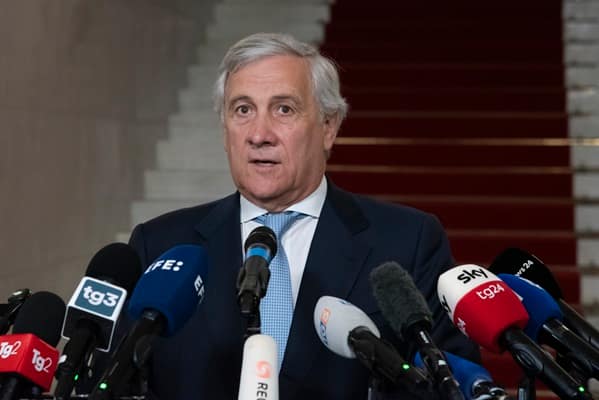
Deputy Prime Minister Antonio Tajani vowed a forceful response, warning that the government would not allow violence to paralyse the country’s commercial centres.
“The government’s response will be very firm to ensure free commerce and the free movement of citizens in city centres,” he said.
The unrest erupted on Saturday after an initially peaceful demonstration over the cost-of-living crisis and poor public services descended into violence. Groups of hooded youths smashed shop windows, looted businesses and set fires, while others threw stones, bottles and flares at police.
Further attacks continued on Sunday, with shops and supermarkets targeted by groups that dispersed rapidly after the violence.
More than 270 people were detained, around 80 per cent of them reportedly minors, according to Tajani. Fourteen people were injured during clashes with police.
For Milan, Italy’s financial capital and one of Europe’s most recognisable luxury shopping destinations, the consequences have extended beyond the streets. Businesses are now preparing for the possibility of renewed attacks in a city whose international reputation rests heavily on fashion, tourism and commerce.
Along Via Montenapoleone, the prestigious shopping district lined with luxury boutiques, retailers removed merchandise from display windows and tightened security. Some businesses closed early, while stores inside the Galleria Vittorio Emanuele II shopping arcade also took precautions against further damage.
The government’s response is expected to extend beyond the military deployment. Deputy Prime Minister Matteo Salvini has backed proposals giving police greater powers to intervene against young people suspected of preparing violence.
Among the measures under consideration is allowing police to detain minors for up to 12 hours where evidence suggests they pose a threat, even if they have not committed an offence. Authorities are also considering restrictions preventing individuals deemed dangerous from attending events or entering designated areas.
Salvini has argued that officials cannot wait until violence erupts before acting, citing reports of social media posts encouraging attacks on businesses in other Italian towns.
The unrest has also been reported in Bologna, Brescia, Bergamo and Turin, raising concerns that the disturbances could become a broader security challenge.
Meloni chaired a meeting with ministers and senior security officials on Monday to discuss the response. Since taking office in 2022, her government has pursued tougher security policies, although critics argue that punitive measures alone will not resolve the social pressures behind unrest.
The demonstrations have unfolded against a backdrop of rising household costs and stagnant real wages, deepening public frustration over living standards and public services.
For the government, the immediate challenge is to restore order before further violence damages businesses and public confidence. The longer-term question is whether deploying soldiers and expanding police powers can contain the unrest without addressing the economic grievances that helped bring demonstrators onto the streets in the first place.


Leave a Comment