
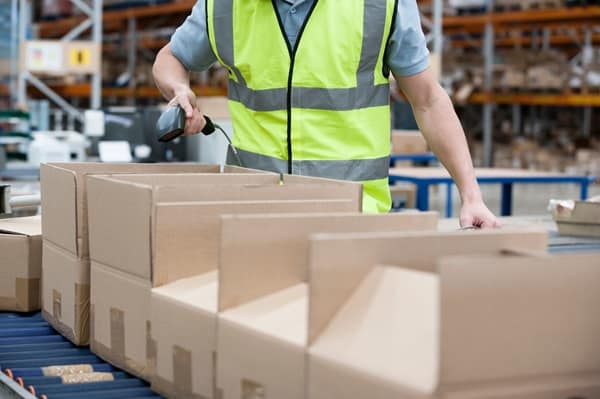
Retail work often looks low risk until the stockroom, loading bay and maintenance cupboard enter the picture. Employees lift awkward boxes, move roll cages, work around deliveries, clear spills and sometimes use powered tools during repairs. Customers add another layer because employers also have to think about people who may be unfamiliar with the premises.
HSE continues to list manual handling, slips and trips, violence and workplace transport among the main retail risks. Local authorities normally enforce health and safety law in shops, but the basic duties remain the same: employers must assess risks, provide suitable controls, train staff and keep the workplace safe so far as is reasonably practicable.
Start with the risks created by normal trading
Retail risk assessments should reflect what workers actually do during a shift. That includes receiving deliveries, moving stock, reaching shelving, using ladders or kick stools, operating compactors and working alone at opening or closing time.
A shop floor can change quickly. Promotional displays narrow routes, seasonal stock fills storerooms and online fulfilment adds more picking and packing. Reviews are needed when layouts, equipment or working methods change, not only when a calendar reminder appears.
The same thinking applies to contractors. If a maintenance worker arrives to cut a seized bolt, grind metal or repair a fixture, the risk profile changes for everyone nearby. The retailer should know what work will take place and whether sparks, dust, noise or restricted access need additional controls.
Manual handling is still a major retail issue
HSE’s retail guidance says employers should avoid hazardous manual handling where reasonably practicable and assess what remains. The assessment should consider the task, the load, the individual and the working environment.
That sounds familiar, yet injuries still happen when speed and routine take over. HSE’s October 2026 prosecution of a Lancashire fabrication company involved a worker who lost part of his thumb during a manual handling task. A near-identical incident had happened only days earlier. The case was not in retail, but the lesson travels well: repeated warning signs need action before the next injury.
Retail employers can reduce risk through better delivery sizes, handling aids, suitable storage heights and enough space to move stock. Training helps, but telling someone to lift correctly cannot compensate for a badly designed task or an overloaded roll cage.
Control maintenance work in trading areas
Small maintenance jobs are easy to underestimate. A store may ask an employee or contractor to cut shelving, remove a metal fixture or use a grinder during refurbishment. That introduces risks that are rarely part of routine retail work.
Anyone who uses grinding or cutting equipment needs the right machine, disc and controls for the job. Suitable abrasive wheels training can help users understand wheel selection, inspection, mounting, guarding and safe operation. Employers must still ensure the equipment is suitable, maintained and used by people with the necessary competence.
Dust and sparks also matter. HSE’s current COSHH Essentials guidance on abrasive-wheel dust warns that particles generated during grinding and cutting can irritate the respiratory system and contribute to lung disease. Work should be planned to control exposure and keep other workers or customers away from the area.
Keep fire safety part of everyday retail management
Shops can accumulate combustible stock quickly, especially during seasonal peaks. Packaging, display materials and crowded back-of-house areas can increase fire load and make escape routes harder to use.
The Regulatory Reform (Fire Safety) Order 2005 applies to most non-domestic premises in England and Wales. The responsible person must carry out and keep under review a suitable fire risk assessment, maintain appropriate fire precautions and ensure people can escape safely. Equivalent fire-safety legislation applies in Scotland and Northern Ireland.
Retail managers should pay particular attention to escape routes, fire doors, electrical equipment, storage near heat sources and the control of contractors carrying out hot work. Staff also need to know what the alarm means, where to go and what they should do if they discover a fire.
Train staff for the fire arrangements they actually have
A fire policy has limited value if new starters only skim it during induction. Employees need enough information and instruction to act quickly without improvising. That includes evacuation routes, assembly arrangements, responsibilities for assisting customers and any local procedures for shutting down equipment.
A fire safety awareness course can support this basic understanding, especially across multi-site retail operations where employers want consistent core knowledge. Site-specific information still has to cover the actual building, alarm points, exits and any role assigned to the employee.
Refresher training is useful when layouts change, stores are refurbished or an evacuation shows that workers were unsure what to do. Busy retail sites often change more frequently than their written fire procedures.
Protect customers as well as employees
The Health and Safety at Work etc. Act 1974 requires employers to conduct their undertaking so that people who are not employees are not exposed to health and safety risks, so far as is reasonably practicable. In retail, that includes customers, delivery drivers and visiting contractors.
The practical controls are usually familiar: keep floors free of hazards, manage queues and displays, separate pedestrians from vehicle movements in delivery areas and prevent access to maintenance work. Children, older people and customers with reduced mobility may also affect emergency planning.
Duty of care should not be treated as a vague promise of safety. Managers need evidence that foreseeable risks were identified and that reasonable precautions were put in place.
Make managers responsible for follow-through
Many retail controls fail between policy and shift-level practice. A head-office procedure may be sound, but local managers still need time and authority to act when a storeroom becomes congested, equipment is damaged or staffing levels make a task unsafe.
Near misses and minor injuries deserve attention because they can show where controls are drifting. If the same handling problem, blocked route or maintenance defect keeps returning, the response should move beyond reminders and look at how the work is organised.
Conclusion
Retail employers in 2026 still face familiar legal duties, but the way stores operate keeps changing. Online fulfilment, frequent layout changes, seasonal stock and contractor maintenance can all alter the risks within a few hours.
A compliant approach stays close to the work itself: assess current hazards, design out avoidable handling, control maintenance tasks, maintain fire precautions and give staff training that matches their responsibilities. The strongest retail safety systems are the ones managers can use during a busy shift, not only the ones that read well in a policy folder.



Leave a Comment