
WTI edged lower after briefly approaching $81.3 per barrel and is now trading cautiously within the elevated $78–81 range.
The pullback mainly reflects position adjustments and profit-taking following the recent strong rally, rather than a clear reversal of the broader upward trend.
The latest EIA report failed to provide sufficient momentum for further gains, as U.S. commercial crude inventories fell by only 1.7 million barrels, slightly below market expectations for a 1.8-million-barrel decline.
More notably, distillate inventories rose by 4.6 million barrels, far exceeding forecasts for a modest 100,000-barrel increase, while total commercial petroleum inventories climbed by 13.3 million barrels.
The data suggest that immediate supply pressures have eased to some extent. However, crude oil, gasoline, and distillate inventories remain below their respective five-year averages, meaning the U.S. fuel market cannot yet be considered fully stabilised.
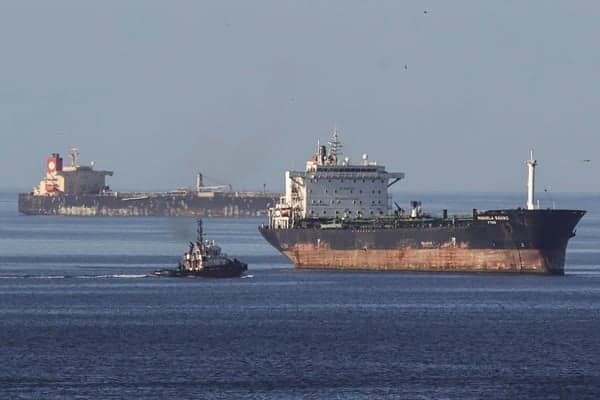
Nevertheless, WTI’s downside remains relatively limited as Middle East supply risks have yet to be resolved. Continued tensions between the United States and Iran are still affecting energy flows through the Strait of Hormuz, while the risk of disruptions along the Red Sea shipping route is forcing the market to maintain a substantial risk premium for potential supply interruptions.
According to Goldman Sachs estimates, Gulf oil exports recovered to more than 80% of pre-conflict levels following the temporary agreement between the United States and Iran in June. However, exports subsequently fell below 50%, equivalent to around 11 million barrels per day, after tensions escalated again. This highlights that crude supply has partially recovered but remains highly vulnerable to disruptions in the Strait of Hormuz.
Meanwhile, global gasoline and diesel markets remain relatively tight due to low fuel inventories, the incomplete recovery of refining and export activity in the Middle East, and ongoing supply disruptions from Russia. As a result, refined product prices remain elevated even though crude flows from the Gulf have shown periods of improvement.
In the near term, WTI is likely to remain volatile within the elevated $78–81 range as the market balances geopolitical risks against signs of gradually improving supply. A decisive break above the previous high near $81.3 could extend the rally toward the $85–86 region, particularly if flows through the Strait of Hormuz or the Red Sea remain restricted. Conversely, if tensions ease and Gulf shipments recover steadily, WTI could fall below $78 and correct toward the $75–76 area.
Looking further ahead, WTI’s upside may prove difficult to sustain if oil production and transportation in the Middle East continue to normalize. The IEA expects global oil demand to decline by around 1 million barrels per day in 2026, while OPEC still forecasts growth but has lowered its estimate to approximately 780,000 barrels per day. The divergence between the two projections highlights considerable uncertainty surrounding the demand outlook, although both organizations now see weaker consumption than in their previous forecasts.
The EIA expects the oil market to shift from a deficit in the third quarter to a surplus in the fourth quarter of 2026. As a result, WTI’s current strength remains heavily dependent on geopolitical risks. If tensions ease and flows through the Strait of Hormuz remain stable, downward pressure could return. Conversely, any renewed disruption could delay the projected surplus and keep oil prices elevated for longer.


Leave a Comment