
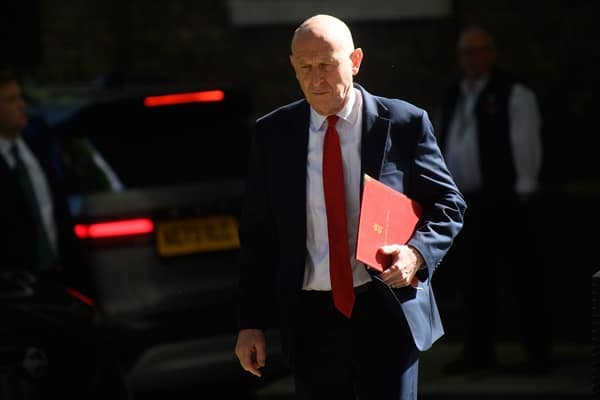
Chancellor John Healey’s fiscal headroom is set to fall by almost half before his first Budget, according to KPMG, leaving the government with limited room to support households or stimulate growth as borrowing costs rise.
KPMG’s latest economic outlook estimates that the government’s fiscal buffer will shrink to about £12bn by the autumn, down from £23.6bn when the spring forecast was published.
The deterioration leaves Healey facing difficult choices ahead of his Budget on October 28, with higher taxes or reductions in public spending potentially required to restore the government’s previous margin.
The consultancy attributed the £11.6bn deterioration primarily to higher borrowing costs and weaker economic growth.
About £9bn of the erosion is expected to come from increased debt-servicing costs following a sell-off in the gilt market. Inflation concerns linked to the Middle East conflict, alongside growing expectations of an interest rate increase before the end of the year, have pushed government borrowing costs higher.
Weaker-than-expected economic growth accounts for much of the remaining deterioration. KPMG expects the Office for Budget Responsibility to downgrade its forecasts, potentially reducing the Chancellor’s headroom by another £2bn.
Long-term borrowing costs have risen sharply as investors demand higher returns for holding UK government debt, leaving Healey with what KPMG described as “limited room for manoeuvre”.
In its report, the Big Four firm stated: “The Chancellor will have limited scope to provide significant support for growth or the cost of living when the Budget is delivered next month, as higher borrowing costs and weaker growth have reduced the Government’s fiscal headroom.
The consultancy added: “Restoring the previous level of headroom could require tax rises or spending reductions.
The pressure comes as the government maintains its commitment not to increase taxes on working people, potentially forcing the Chancellor to consider alternative sources of revenue if he wants to rebuild his fiscal buffer.
KPMG said: “With the Government committed to not increasing taxes on working people, the Chancellor may need to consider other tax measures.
The deteriorating fiscal position reflects a broader squeeze on the UK economy, with higher energy costs and borrowing rates threatening to weigh on household spending while increasing the cost of servicing government debt.
KPMG expects the Bank of England to raise interest rates from 3.75 per cent to 4 per cent in November, although analysts expect rate cuts to resume next summer as the inflationary impact of elevated energy prices begins to fade.
Consumer price inflation rose to 3.1 per cent in August and is forecast by KPMG to reach about 3.5 per cent this autumn before peaking at roughly 4 per cent during the first three months of 2027.
The consultancy expects the UK economy to grow by 1.3 per cent across 2026, although momentum is projected to weaken in the second half of the year as higher prices squeeze household budgets.
Growth is forecast to recover modestly to 1.4 per cent in 2027.
For Healey, the combination of weaker growth, higher gilt yields and a rapidly shrinking fiscal buffer leaves the October Budget with considerably less room for manoeuvre than the government had anticipated when its previous forecasts were published.


Leave a Comment