
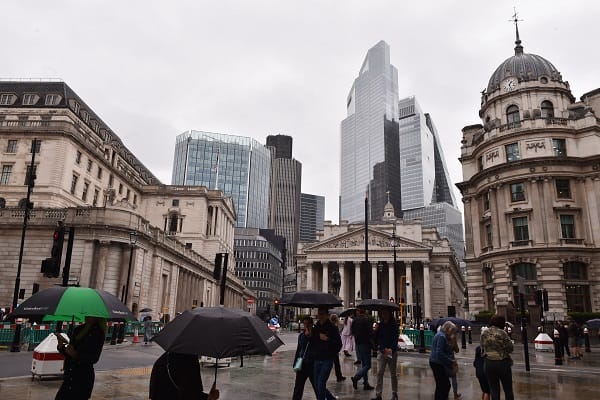
London’s blue-chip stocks were little changed in early trading on Tuesday as investors struggled to look beyond a worsening geopolitical backdrop, with oil prices, interest rates and political uncertainty keeping markets firmly on edge.
The FTSE 100 was broadly flat as traders digested a fragile combination of softer US employment data, persistent inflation risks and renewed disruption fears around global energy supplies.
Markets had been given some relief at the start of the week after weaker US jobs data raised hopes that pressure on the Federal Reserve to maintain an aggressive monetary stance could ease. But that optimism has proved short-lived, with policymakers still expected to keep rates elevated as they confront the risk that higher energy prices will feed into broader inflation.
Oil remains the market’s most immediate vulnerability.
Brent crude was holding above $101 a barrel, more than 40 per cent above levels recorded before the conflict with Iran erupted. The surge has transformed energy prices into a renewed threat to economic growth, household incomes and central bank policy.
The latest concerns have centred on attacks by Iran-backed Houthi militants and another tanker incident in the Strait of Hormuz, reviving fears that the conflict could develop into a broader supply shock.
Hormuz is one of the world’s most strategically important energy corridors, meaning even limited disruption can have an outsized impact on prices. Traders are increasingly focused on whether the latest incidents represent isolated events or the beginning of a sustained challenge to global oil flows.
The G7’s coordinated release of emergency oil and refined fuel stocks could provide some immediate relief by increasing available supply and calming nervous markets. But the intervention is unlikely to resolve the underlying problem.
For investors, the concern is less about the immediate availability of barrels than whether geopolitical disruption becomes embedded in inflation expectations.
That leaves the Bank of England facing an increasingly difficult balancing act. Markets are pricing in three to four interest-rate increases over the next year as policymakers confront the prospect of an energy-driven inflation spiral.
Political risk is adding another layer of uncertainty. Spain is heading for a snap election after mass protests, introducing another potential source of volatility at a time when European investors are already navigating a fragile economic outlook.
For markets, the message is increasingly uncomfortable: weaker growth may not bring easier monetary policy if oil remains elevated.
The combination of an energy shock, political instability and stubborn inflation risks threatens to turn what began as a geopolitical crisis into a much broader economic problem.
Susannah Streeter, Chief Investment Strategist, Wealth Club said: “The Footsie started on the front foot in early trade, but lost ground as worries about the repercussions of the energy crisis reverberate again. The Middle East remains mired in uncertainty, keeping crude costs elevated and piling pressure on companies and consumers around the world.
“Unrest in Spain and France underlines the difficult position governments are facing as they try to alleviate living costs while providing the essential services demanded by citizens. Mass protests in Spain over housing costs have led to fresh political instability, with a snap election now called, after parliament rejected emergency measures designed to ease the crisis. High energy bills have added to the pressure on households, highlighting how the cost of the energy shock can quickly spill over into wider political and social tensions.
This appears to be overshadowing earlier optimism triggered by Friday’s softer US jobs report. It pointed to a tepid labour market, which could dampen inflationary pressures, given employees will have less bargaining power to demand higher wages, which can feed through into higher prices. Friday’s rally in US stocks initially acted like a rising tide, lifting the Nikkei and but European stocks aren’t benefiting from quite the same level of optimism.
“Although the US labour market snapshot helped bring government bond yields down slightly, but they remain highly elevated and big risks remain. Successive interest rate hikes are still being priced in, given there is no end in sight to the war with Iran which has sparked these inflationary fears. Brent crude has dipped back slightly but is still trading above $101 a barrel, more than 40% higher than before the conflict broke out.
There’s a feeling that the situation could have been worse by now, but much will depend on the security of energy supplies from the Middle East. The situation is still tense, with Iran backed Houthis attacking dozens of sites owned by Saudi Arabia’s oil giant Aramco. Yemen has launched a major operation push back against the group, but its tentacles have spread far and wide across the region. The Strait of Hormuz remains a major flashpoint with the attack on another tanker on Sunday is keeping worries bubbling about the potential for further disruption to supplies, particularly if shipping companies become increasingly reluctant to risk sending vessels through the crucial chokepoint.”


Leave a Comment