
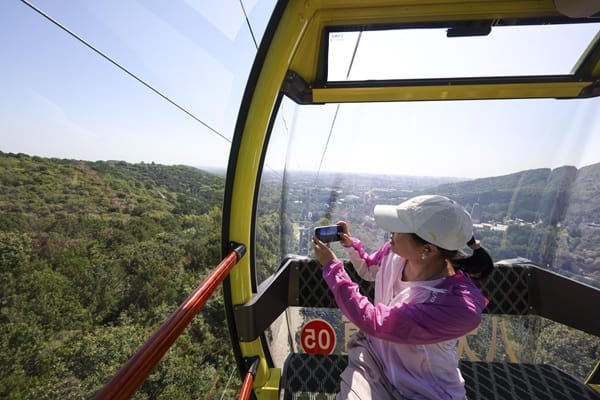
Sightseeing cable cars sit at an unusual intersection of infrastructure, tourism and operating business. They are physical assets with long useful lives, but their economics depend on visitor demand, pricing, operating rights and commercial execution. That makes them interesting to real-asset investors – and different from conventional infrastructure.
What gives a ropeway real-asset characteristics?
The core system is capital-intensive and location-specific. Towers, stations, cabins and mechanical infrastructure cannot simply be moved to a better market. Value therefore depends on the quality of the destination and the rights that allow the asset to operate there.
A mature sightseeing ropeway may also benefit from barriers to entry. Land access, permits, environmental constraints and route availability can make competing infrastructure difficult to replicate. Long operating rights and a strong destination can therefore become important parts of the investment case.
But the cash flow is still operational
Unlike regulated infrastructure, sightseeing ropeways are exposed to tourism demand, seasonality, weather, ticket pricing and guest experience. Investors need to understand ridership, realised ticket yield, distribution costs, capacity use, downtime and ancillary spend.
That operational dimension can be a strength when there is room to improve the business. Direct online sales, better pricing, upgraded food and beverage, retail, premium products, events and improved use of peak capacity can create value without replacing the underlying infrastructure.
Technical condition remains fundamental
A ropeway may have durable demand but still require significant life-cycle investment. Diligence therefore needs to cover maintenance history, inspections, component replacement cycles, manufacturer support, obsolescence and the forward capex plan.
The same applies to concessions, leases, easements and licences. Strong historical cash flow is less valuable if the right to operate is short, uncertain or difficult to transfer.
For investors looking for exposure to specialist tourism infrastructure, an experienced investor in cable car and ropeway assets will typically assess the destination, technical condition, operating rights and commercial upside together rather than treating the asset as passive real estate.
How should investors think about downside protection?
Physical infrastructure alone does not provide downside protection. For a sightseeing ropeway, resilience comes from the combination of an irreplaceable location, durable operating rights, a manageable maintenance profile and enough recurring demand to cover fixed operating costs through different tourism cycles.
Investors should therefore stress-test the asset rather than rely on replacement cost as a valuation anchor. Useful questions include how revenue changes in a weaker season, how much maintenance spending can be deferred without compromising reliability, whether major components have credible supplier support and how much of the business depends on a single distribution channel or visitor market.
The legal structure matters as well. A long-lived piece of equipment has limited investment value if the concession, lease or access rights end too early. Conversely, secure rights do not eliminate operational risk if the system requires heavy reinvestment. Downside protection is strongest when physical scarcity, contractual visibility and cash-flow resilience reinforce one another.
A hybrid investment profile
Sightseeing cable cars can offer some of the qualities real-asset investors look for: long-lived infrastructure, scarcity, location advantages and potential barriers to entry. At the same time, returns depend on active operating capability.
That hybrid profile is precisely why the sector can be attractive. The physical asset creates the platform, but the operator determines how effectively that platform converts visitor demand into sustainable cash flow.


Leave a Comment