
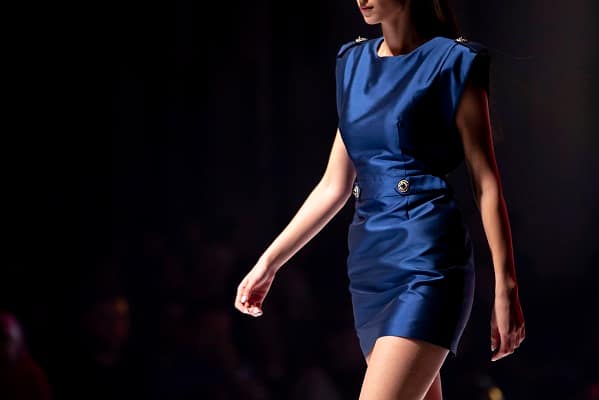
Every September, Milan transitions from the quiet lull of late summer into the hyper-accelerated momentum of Milan Fashion Week 2026. While the world’s media focus naturally gravitates toward runway spectacles and celebrity-studded front rows, the underlying driver of this global event is a highly complex, synchronised corporate machinery.
Behind every ten-minute catwalk presentation lie months of financial planning, international trade negotiations, PR campaigns, and supply chain logistics. Thousands of international buyers, executive board members, brand strategists, tech partners and media delegations descend upon Lombardy’s capital, creating an unprecedented surge in demand for specialised corporate accommodation and high-capacity event venues.
For Milan Fashion Week in September 2025 (which took place from September 23 to 29), the Research Center of Confcommercio Milano recorded over 149,300 visitors (a 15% increase compared to 2024), generating a total tourism impact of 238.9 million euros.
The changing expectations of the modern corporate traveller
The profile of corporate executives visiting Milan during major global events has undergone a significant transformation in recent years. The modern business traveller no longer views a hotel room merely as a place to rest between appointments: today’s executive delegations require fully functional, mobile headquarters capable of supporting uninterrupted productivity, high-stakes private negotiations, and seamless virtual collaboration with global offices.
When entire corporate divisions relocate to Milan for Fashion Week, standard boutique hotels often lack the infrastructure required to support their operational scale. High-speed multi-gigabit connectivity, private boardrooms equipped for hybrid conferencing, modular break-out areas, and dedicated event coordination teams are now non-negotiable requirements. Consequently, choosing a high-performance Milan congress centre hotel has become a primary operational priority for global luxury conglomerates and international trade bodies seeking to host satellite events or internal briefings.
Strategic location: why corporate strategists are looking south
During Fashion Week, central Milan experiences severe traffic congestion, crowded public transit, and extreme pressure on hospitality services. For corporate logistics planners managing tight schedules across multiple daily venues, placing key personnel in the immediate centre can often lead to costly delays and unnecessary operational friction.
As a result, forward-thinking corporate travel managers are increasingly turning their attention toward strategic commercial corridors situated just outside the historical core. The southern sector of Milan – particularly the vibrant business and academic district surrounding Bocconi University – has emerged as one of the city’s most attractive commercial nodes. This area offers exceptional connectivity to major transport hubs and key event spaces while providing an escape from the gridlock of the immediate downtown area.
When organising high-level corporate trips, securing a premium executive accommodation in Milan that balances accessibility with tranquillity is crucial. Positioning corporate teams in this thriving southern corridor allows companies to maintain strict itineraries while offering executive guests a calm, spacious environment to work, conduct business dinners, and recharge.
For international organisations seeking a comprehensive operational base equipped with expansive conference halls, flexible meeting suites, and top-tier dining amenities, selecting a renowned executive business hotel in Milan south such as Quark Hotel Milano provides the ideal infrastructure. A well-appointed business hotel in Milan south provides seamless access to both the historical fashion district and major arterial ring roads connecting to Milan’s international airports.
The economic footprint of Milan Fashion Week extends far beyond the hospitality revenue generated during a single week in September. The operational relationships established between international corporate travel managers, event organisers, and premier hotel venues lay the groundwork for Milan’s broader corporate calendar throughout the autumn and winter seasons.



Leave a Comment