
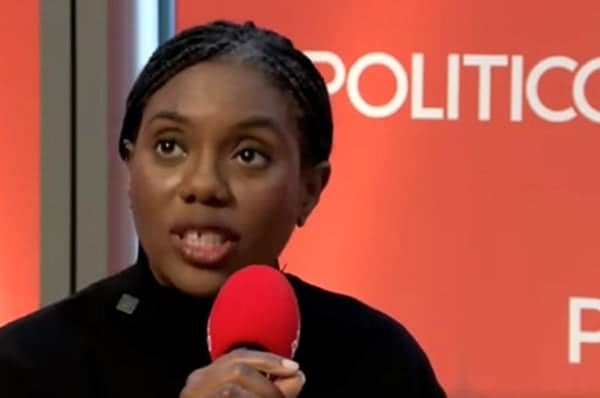
Andy Burnham’s first days as Prime Minister have been met with an immediate challenge from the opposition benches, as Conservative leader Kemi Badenoch warned the new Labour administration that it would face relentless scrutiny over taxes, spending and energy policy.
In a letter to Downing Street, Badenoch congratulated Burnham on his appointment but made clear that the honeymoon period would be short.
Her message was aimed not only at the new Prime Minister but at the wider political direction of his Government: Labour must prove it has learned from the failures of the previous administration and resist pressure from its own left wing for higher taxes and increased spending.
“As Leader of the Opposition, it is my job to hold you to account, and I will never shirk from doing so,” Badenoch wrote.
She accused Burnham of entering office without setting out a clear plan for the country and criticised his decision to avoid traditional media interviews before taking power, arguing that voters deserved greater scrutiny of his policies.
The warning comes as the new Government faces immediate pressure from markets, businesses and households seeking clarity over its economic priorities.
Badenoch demanded that Burnham rule out tax increases on working people and urged him to abandon Labour’s restrictions on new North Sea oil and gas licences, arguing that energy security should take priority over climate commitments.
She claimed uncertainty over future tax and energy policy risked damaging investment decisions, housing markets and family finances.
The Conservative leader also offered an unusual gesture of cooperation, promising the votes of her 118 MPs if Burnham agrees to reforms aimed at reducing the welfare bill.
The offer reflects a political calculation: Labour may have a strong parliamentary position, but divisions over spending and benefits could create difficult internal battles for the new Prime Minister.
Badenoch argued that Burnham should avoid what she described as the mistakes of Keir Starmer’s premiership, accusing the former Labour leader of failing to resist demands from backbench MPs for additional spending commitments.
“Britain cannot go on like this without becoming a welfare state with a country attached,” she warned.
Energy policy has emerged as one of the first major battlegrounds between the two parties.
Badenoch attacked former energy secretary Ed Miliband’s approach, claiming it had damaged industrial competitiveness and weakened Britain’s domestic energy security. She welcomed reports that Burnham was considering a change of direction on North Sea drilling but urged him to go further by reversing the ban on new licences.
For Burnham, the challenge is immediate.
His promise of a “new economic model” and political reset will now face its first major test: whether he can satisfy Labour’s demands for change while convincing investors and voters that Britain’s economic direction is stable.
The Conservatives’ strategy is already clear.
Badenoch intends to make taxes, energy and public spending the pressure points of the new Government — forcing Burnham to define what kind of Labour government he intends to lead.


Leave a Comment