
A proposed increase in taxes on Britain’s banking sector risks extending far beyond lenders’ balance sheets, with households ultimately bearing much of the cost through lower savings returns and more expensive borrowing, according to one of the financial industry’s leading advisers.
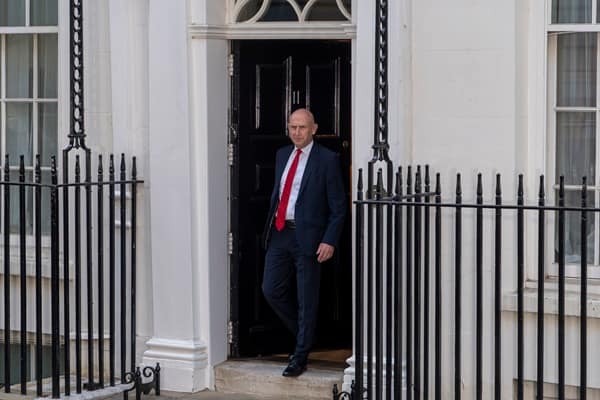
The warning comes as Chancellor John Healey prepares his first Budget against the backdrop of mounting pressure to strengthen the public finances.
With economists estimating a fiscal shortfall of more than £22 billion, speculation has intensified that ministers could raise the surcharge on bank profits as part of a broader package of revenue-raising measures.
The debate has gained momentum after the Trades Union Congress called for a substantial increase in the banking surcharge, arguing that stronger taxation of lenders could generate billions of pounds for the Exchequer.
Nigel Green, chief executive of deVere Group, cautioned that while higher taxes on banks may appear politically attractive following another strong reporting season, the economic burden rarely remains confined to the sector itself.
Every time a government talks about taxing banks harder, people assume it only hits shareholders,” he said. In reality, banks seek to preserve profitability, and that often means changes to mortgage pricing, savings rates and banking charges.
Britain’s largest lenders have reported robust earnings in recent weeks, benefiting from higher interest income and resilient consumer demand. Those results have strengthened the argument among some policymakers that the sector can shoulder a greater share of the fiscal burden.
However, critics argue that banks possess significant pricing power, allowing them to recover at least part of any additional tax through adjustments to retail financial products over time.
Mr Green said history suggested that higher sector-specific taxes often translated into less generous savings rates, incremental increases in mortgage costs and the gradual erosion of free banking services.
Whether ministers ultimately pursue higher taxes on banks remains uncertain. But with the Budget approaching, the prospect highlights the delicate balance facing the Treasury between raising additional revenue and avoiding unintended consequences for households already navigating elevated borrowing costs and persistent pressure on living standards.


Leave a Comment