
British businesses are bracing for another increase in employment costs as the Chancellor prepares to announce a potential rise in the National Living Wage, intensifying concerns that higher payroll bills could discourage hiring just as young people struggle to find work.
The minimum wage could rise by almost 4 per cent to £13.18 an hour from next April, according to expectations ahead of Wednesday’s Budget. The increase would take the statutory hourly rate to a record level, but risks adding to the financial pressures facing employers already contending with elevated inflation and higher taxes.
The proposed rise comes as price growth accelerates again. Consumer Prices Index inflation climbed to 3.5 per cent in September, up from 3.1 per cent in August and above economists’ expectations of 3.4 per cent, according to the Office for National Statistics. It was the highest rate since October 2025.
The Chancellor has attributed the increase to international pressures, including conflicts in the Middle East and Europe. But businesses face a separate challenge at home: the cumulative cost of higher wages, employer National Insurance contributions and new employment protections.
Rachel Reeves’s increase in employers’ National Insurance contributions, expected to raise about £25bn, has already drawn criticism from companies concerned about the cost of taking on staff. Employers are also adjusting to changes under the Employment Rights Act.
Alex Hall-Chen of the Institute of Directors said the combination of higher wages and other employment costs was weighing on recruitment decisions.
“Combined with an increase in the National Living Wage of over 40 per cent since 2021, there is a crisis in the cost of employment which is leading many employers to curb hiring and look to automation and outsourcing as alternatives,” she said.
The eventual increase could exceed the headline figure. Deutsche Bank has forecast a rise of 4.6 per cent, while Morgan Stanley has projected an increase of as much as 5.5 per cent by next spring.
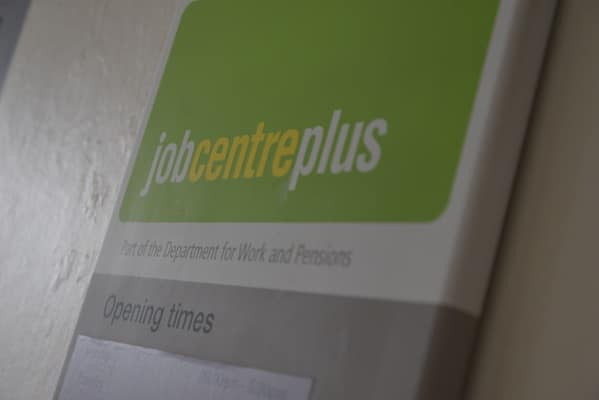
The debate comes amid mounting concern over youth unemployment. Recent research has highlighted particularly acute problems in parts of England, while Conservatives have claimed that about one million young people across the UK are not in education, employment or training.
Blackpool has emerged as a focal point for those concerns, with more than 30 per cent of young people in the town reportedly claiming out-of-work benefits.
Labour MP Chris Webb said the Government needed to do more to help young people into employment, warning against allowing benefit spending to continue rising without providing people with routes into work.
“If young people are able to work, they should be in work,” he said, adding that they must receive the support needed to secure jobs.
For the Chancellor, the challenge is to raise earnings without making employers more reluctant to recruit. A higher minimum wage would increase pay for low-paid workers, but the scale of its effect on hiring will depend on how businesses absorb the additional costs — and whether the Budget offers them any relief.


Leave a Comment