
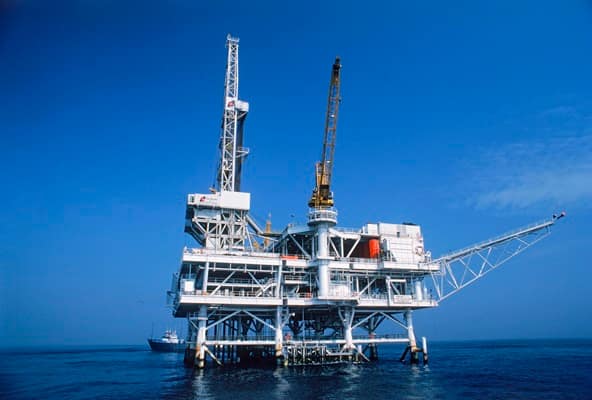
Labour has finally given the green light to fresh gas drilling at Jackdaw, drawing a line under months of uncertainty — and opening a new front in the battle over Britain’s energy future.
The North Sea project, off the coast of Aberdeen, is being presented by ministers as a pragmatic response to the country’s energy needs.
Yet the decision exposes the increasingly uncomfortable tension at the heart of Labour’s strategy, how to pursue an ambitious transition to clean energy while continuing to extract the fossil fuels on which Britain remains dependent.
Prime Minister Andy Burnham welcomed the approval, arguing that the government could not afford to ignore domestic reserves while households struggled with the cost of living.
“At a time when people are really struggling, it’s right that we look in a responsible way at maximising the existing energy reserves we have in Britain that could help,” he said.
Burnham insisted that the decision did not represent a retreat from Labour’s climate commitments. The government remained committed to renewable energy and reaching net zero by 2050, he said, while acknowledging that oil and gas would remain part of Britain’s energy mix “for decades to come”.
The immediate prize is supply. Energy Secretary Miatta Fahnbulleh confirmed that Jackdaw could begin supplying British consumers as soon as this winter, following her decision to allow the regulator to grant production consent.
The government is also emphasising the project’s economic significance, with Burnham arguing that approval would protect “hundreds of jobs” and help keep “millions of homes warm this winter”.
But the political calculation extends well beyond a single gas field. Jackdaw and the Rosebank oil field have become tests of Labour’s willingness to balance climate policy against energy security, industrial employment and pressure to reduce reliance on imported fuel.
For the Conservatives, the approval is welcome — but overdue. Shadow energy secretary Andrew Bowie said it “should be the start, not the end”, urging ministers to approve further developments, including Rosebank.
Conservative leader Kemi Badenoch was more combative, accusing Labour of spending two years “faffing about to make a decision” on a project already approved under the previous government.
“If they’d done this in the summer, we’d have had that gas heating British homes this Christmas,” she said, describing the delay as an “unnecessary waste of time and money”.
The controversy has also attracted international attention. Donald Trump has championed North Sea drilling, claiming Britain was “sitting on top of gold” and identifying energy policy, alongside migration, as a major challenge facing the country.
Outside the Department of Energy headquarters in central London, climate campaigners offered a sharply different verdict. Demonstrators from Fossil Free London called on ministers to abandon Jackdaw and reject Rosebank, chanting: “Hey Andy, stop gas and oil. Keep that carbon in the soil.”
Their protest underscored the dilemma confronting Labour. Domestic production may offer jobs and additional gas supplies, but it does not resolve the longer-term challenge of cutting emissions or guarantee lower bills for consumers.
Jackdaw’s approval is therefore more than an energy decision. It is a declaration that Labour intends to navigate Britain’s transition pragmatically, even at the cost of angering climate campaigners.
Whether that pragmatism proves politically sustainable will depend on what comes next — and whether ministers can demonstrate that exploiting existing reserves is compatible with building an energy system that ultimately needs to move beyond them.


Leave a Comment