
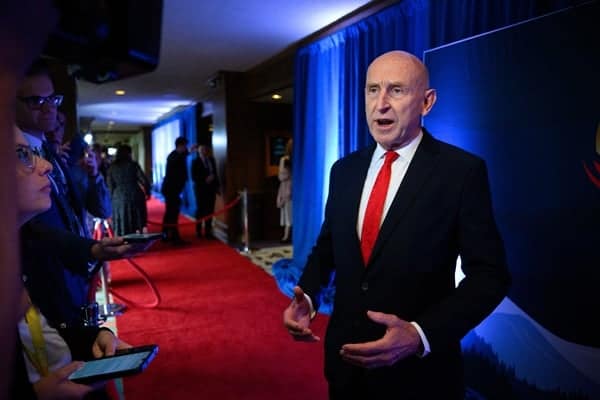
Chancellor’s proposed VAT crackdown aims to close loopholes exploited by overseas sellers and redirect revenue to struggling shops, as warnings mount over billions lost to tax avoidance and a £35bn fiscal squeeze.
Chancellor John Healey is preparing a £1bn tax crackdown on major online marketplaces in his maiden Budget, seeking to force e-commerce platforms to collect VAT from retailers selling through their websites and use the proceeds to ease the tax burden on Britain’s high streets.
The proposal, reported by The Times, would make online marketplaces responsible for collecting VAT on purchases from business sellers whose annual turnover exceeds £90,000. The measure is designed to close a loophole that has allowed some overseas retailers to avoid tax through weak enforcement and the use of sham UK companies.
Healey expects the changes to raise up to £1bn, providing funding for business rates cuts for high street shops at a time when ministers are under pressure to support traditional retailers competing with digital rivals.
The plans come amid growing concern about overseas sellers using British company registrations to disguise their operations and evade tax obligations. Chinese nationals have established tens of thousands of shell companies in the UK, with some allegedly using VAT registration numbers to present themselves as domestic sellers before abandoning the companies when tax demands arrive.
MPs on the Public Accounts Committee have accused HM Revenue and Customs of failing to address the problem adequately. In 2025, the committee warned that the estimated £5.5bn lost annually through such practices could be just the “tip of the iceberg”.
There is no suggestion that the online marketplaces themselves have acted improperly.
The proposed tax raid is intended to help deliver a political commitment made by Prime Minister Andy Burnham during the Makerfield by-election. He pledged to raise the business rates threshold so that 140,000 small high street shops would no longer have to pay the tax, a measure estimated to cost about £880mn.
Burnham described family-owned businesses as the “heart and soul of this country” and said he wanted to give them “the chance to thrive”.
A Treasury source said Healey wanted to “protect local family businesses and the high streets we love”, adding that beauticians and white van drivers should be at the forefront of the Chancellor’s thinking ahead of the Budget.
The decision to target online marketplaces follows the abandonment of an earlier proposal for a levy on out-of-town warehouses, which encountered fierce resistance from retail leaders.
John Lewis executive chairman Jason Tarry said last week that a warehouse tax would “reveal a fundamental misunderstanding of how modern high streets work”. Industry figures warned that the levy could increase retailers’ costs and ultimately push up consumer prices.
Shifting the focus to VAT collection on online sales is likely to be more acceptable to traditional retailers, which have long argued that physical shops face an unfair tax burden compared with their digital competitors.
Amazon has backed the proposal, estimating it could generate roughly £700mn for the Exchequer.
“Closing this loophole will raise significant revenue for the Exchequer and simplify compliance for both HMRC and legitimate sellers,” an Amazon spokesman said.
However, tax experts have cautioned that the proposed £90,000 turnover threshold could leave room for continued abuse.
Dan Neidle, founder of Tax Policy Associates, described the plan as a step in the right direction but argued that the Treasury should go further by making marketplaces responsible for collecting VAT on every sale made through their platforms.
“Unless that happens these Chinese sham companies will find just another way around the rules,” he warned.
His intervention highlights the challenge facing Healey; a reform intended to close a significant tax gap could fall short if sellers can restructure their operations to remain outside the new rules.
The proposal also lands against a difficult fiscal backdrop. The Institute for Fiscal Studies said on Monday that the Chancellor faces a £35bn bill to maintain existing spending commitments and increase defence funding to 3 per cent of gross domestic product by 2030.
The International Monetary Fund has urged Healey against unfunded giveaways, while he has already ruled out raising capital gains tax to match income tax rates.
With the Budget due on 28 October, the online VAT proposal offers the Treasury a potential source of revenue while supporting a politically sensitive promise to high street businesses.
But the sums remain uncertain, and the effectiveness of the measure will depend on how it is designed and enforced. The central test will be whether Healey can collect more of the tax already owed, protect legitimate retailers and deliver meaningful business rates relief without creating new costs that ultimately fall on consumers.
For the Chancellor, the £1bn plan is more than a tax enforcement measure. It is an attempt to make online commerce help pay for the survival of Britain’s traditional high streets — while demonstrating that, in a Budget constrained by billions in fiscal pressures, closing loopholes can be as important as raising taxes outright.


Leave a Comment