
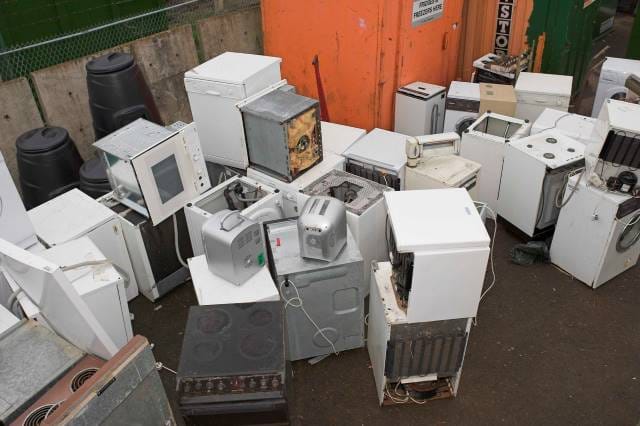
Waste management has become a strategic priority for businesses across industries. Rising disposal costs, increasing sustainability expectations, and evolving environmental regulations have encouraged organisations to rethink how waste is handled throughout daily operations. What was once viewed as a routine maintenance task is now recognised as an important part of operational efficiency and corporate responsibility.
In 2026, businesses are adopting smarter waste management practices that reduce costs, improve workplace organisation, and support broader sustainability goals. From advanced tracking technologies to employee engagement initiatives, organisations are discovering practical ways to minimise waste while improving overall performance. The following strategies highlight how businesses are managing general waste more effectively and creating cleaner, more efficient workplaces.
1. Prioritising waste audits and data collection
Many businesses are beginning their waste management improvements with comprehensive waste audits. Understanding what types of waste are generated, where they originate, and how frequently they accumulate allows organisations to identify inefficiencies that may otherwise go unnoticed. Data-driven assessments provide a clear starting point for meaningful improvements.
Modern waste audits often utilise digital tools that track disposal patterns and collection volumes. These systems help managers monitor trends over time and identify areas where waste reduction efforts can have the greatest impact. The ability to measure outcomes also supports better decision-making and accountability.
Industry experts consistently emphasise the importance of data in sustainability planning. Organisations that understand their waste streams can allocate resources more effectively, reduce unnecessary collections, and implement targeted waste reduction initiatives that deliver measurable results.
2. Optimising bin placement and collection schedules
One of the simplest yet most effective improvements businesses are making involves optimising waste collection infrastructure. Strategic placement of containers ensures employees can dispose of waste conveniently while reducing contamination between different waste streams.
Many organisations are reassessing the location and size of every general waste bin to align with actual usage patterns. Rather than relying on outdated layouts, businesses are using observational data and facility assessments to position waste stations where they provide the greatest benefit. This approach improves participation and reduces overflow issues.
Collection schedules are also becoming more dynamic. Instead of adhering to fixed pickup routines, businesses are working with waste management providers to establish schedules based on real demand. This reduces unnecessary collections, lowers costs, and minimises operational disruptions.
3. Leveraging smart waste technology
Technology continues to transform waste management practices across commercial environments. Smart sensors installed in waste containers can monitor fill levels and automatically notify facility managers when collections are needed. These systems help eliminate guesswork and improve operational efficiency.
For larger organisations managing multiple locations, centralised waste management platforms provide valuable visibility. Managers can access real-time information, compare performance across sites, and identify opportunities for improvement. This level of oversight supports more consistent waste management practices throughout an organisation.
The adoption of smart technologies reflects a broader trend toward digital facility management. Businesses increasingly recognise that data and automation can improve not only waste handling but also overall operational performance.
4. Strengthening employee engagement and accountability
Even the most advanced waste management systems depend on employee participation. Businesses that achieve strong results often invest significant effort into educating staff about proper waste disposal procedures and sustainability objectives.
Clear signage, regular training sessions, and accessible waste stations help employees make informed decisions throughout the workday. When workers understand why waste management matters and how their actions contribute to broader organisational goals, participation rates tend to improve significantly.
Many organisations are also introducing accountability measures and recognition programs. Departments that demonstrate strong waste reduction performance may receive internal recognition, helping create a culture where responsible waste management becomes part of everyday workplace behaviour rather than a separate initiative.
5. Reducing waste at the source
Managing waste efficiently begins with generating less waste in the first place. Businesses are increasingly examining procurement practices, packaging choices, and operational workflows to identify opportunities for source reduction.
Many organisations are partnering with suppliers that offer reusable packaging, recyclable materials, or products designed with sustainability in mind. These decisions can significantly reduce the volume of waste entering facilities and lower disposal requirements over time.
Source reduction often delivers financial benefits alongside environmental advantages. Fewer materials purchased, handled, and disposed of can translate into measurable cost savings while simplifying operational processes. As a result, waste prevention is becoming a core component of modern business strategy.
6. Improving segregation and resource recovery
Effective waste segregation remains one of the most impactful ways businesses can improve waste management outcomes. Proper separation allows recyclable and recoverable materials to be diverted from landfill-bound waste streams.
Organisations are investing in clearly labelled disposal stations that simplify sorting for employees and visitors. Consistent labelling, color-coded systems, and educational materials help reduce contamination and improve recovery rates. Simplicity often proves critical to long-term success.
Environmental organisations and sustainability professionals widely support improved segregation practices because they enhance resource recovery and reduce environmental impact. Businesses that prioritise proper sorting frequently discover opportunities to reduce disposal costs while supporting circular economy initiatives.
7. Collaborating with specialised waste management partners
Businesses are increasingly recognising the value of working closely with experienced waste management providers. Modern service providers offer more than collection services; they provide consulting, reporting, sustainability planning, and operational insights that help organisations improve long-term performance.
Strategic partnerships allow businesses to stay informed about regulatory developments, emerging technologies, and industry best practices. Access to professional expertise helps organisations navigate changing requirements while identifying new opportunities for improvement.
Collaboration also enables continuous optimisation. Regular performance reviews, waste audits, and service adjustments ensure waste management programs remain aligned with organisational goals and evolving operational needs. This proactive approach supports sustained efficiency gains over time.
Conclusion
Efficient waste management in 2026 is no longer limited to routine disposal. Businesses are approaching waste as a strategic operational function that influences costs, sustainability performance, workplace efficiency, and corporate reputation. Through better data collection, smarter technology, improved employee engagement, and stronger partnerships, organisations are discovering practical ways to achieve meaningful improvements.
The most successful businesses understand that effective waste management is an ongoing process rather than a one-time project. By continuously evaluating waste streams, optimising systems, and encouraging responsible practices throughout the organisation, companies can create cleaner workplaces, reduce environmental impact, and build a more efficient future for their operations.


Leave a Comment