
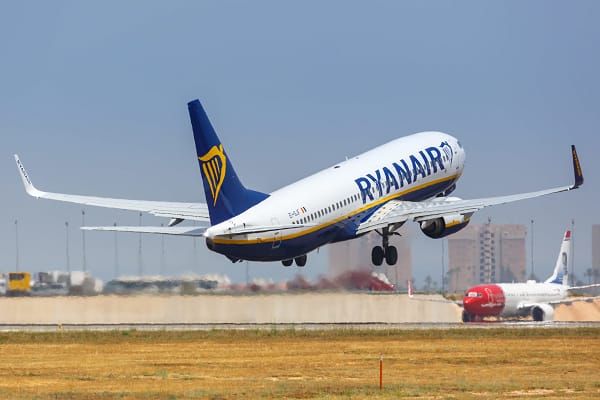
Ryanair reported a sharp decline in quarterly profits after higher jet fuel prices and weaker ticket fares offset continued growth in passenger numbers, highlighting the pressure geopolitical tensions are placing on Europe’s airline industry.
The Irish low-cost carrier said profit after tax fell 34 per cent to €538mn (£457mn) in the three months to the end of June. Revenue rose 1 per cent to €4.38bn, supported by a 6 per cent increase in passenger numbers to 61.3mn, but margins were squeezed by rising operating costs and lower average fares.
The airline said the renewed conflict in the Middle East significantly increased fuel costs for the 20 per cent of its fuel requirements that remain unhedged. Jet fuel prices doubled to around $150 a barrel during the quarter after the Iran conflict disrupted energy markets and pushed oil prices sharply higher.
Operating costs rose 11 per cent to €3.42bn, with fuel accounting for the largest increase.
Chief executive Michael O’Leary said Ryanair had deliberately lowered fares by 6 per cent to stimulate demand after the conflict led to “consumer hesitancy”, concerns over potential European jet fuel shortages and greater economic uncertainty.
The results suggest European consumers remain willing to travel but are becoming increasingly price sensitive as geopolitical risks weigh on household confidence. Ryanair also said booking patterns have shifted, with passengers continuing to reserve flights much closer to departure than in previous years, reducing visibility over future demand.
The airline declined to provide full-year earnings guidance, citing uncertainty surrounding developments in the Middle East and Ukraine, volatility in unhedged fuel prices, broader macroeconomic risks and continuing disruption from European air traffic control strikes.
Although passenger volumes remain robust, Ryanair warned that it has “zero second-half visibility” at this stage of the financial year.
The results underline the challenges facing European airlines as external shocks drive up costs while limiting their ability to raise fares. For investors, the sector remains highly exposed to fluctuations in energy markets and consumer confidence despite continued strength in travel demand.


Leave a Comment