
Millions of Britons aged 40 and over could be enrolled in a new social care contribution scheme costing an average of £31 a month, as policymakers grapple with the growing threat of care bills that can wipe out a lifetime of savings.
The proposal, developed by former pensions minister Sir Steve Webb, would require participating taxpayers to contribute an additional 1p for every £1 of taxable income in exchange for a growing discount on their future personal care costs.
Under the system, the discount would increase with every year of participation. After 25 years of contributions, individuals would no longer have to pay for their personal care, potentially shielding them from bills that can exceed £100,000.
Around 23 million people could initially be enrolled, including 14.3 million working-age taxpayers and 8.6 million pensioners, according to estimates from consultancy Lane Clark and Peacock (LCP). The scheme could raise about £3.5bn annually, even after millions opt out.
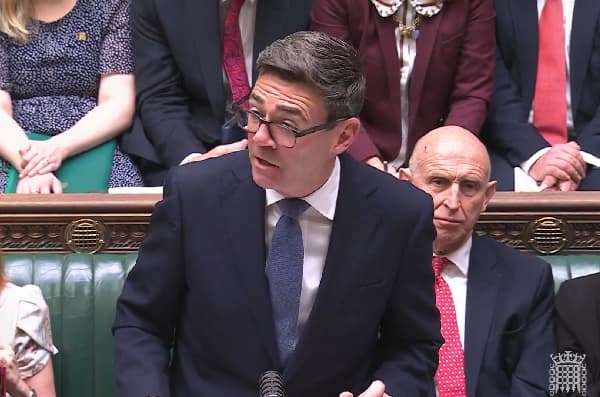
Government officials are reportedly considering the plans as Prime Minister Andy Burnham searches for a sustainable way to finance a proposed National Care Service in England.
The scale of the challenge is stark. Government estimates suggest that one in seven people aged 65 and over will face care costs exceeding £100,000. For families, the consequences can mean exhausting savings, selling property or watching assets intended for retirement or inheritance disappear into the cost of essential support.
Sir Steve said the current system leaves individuals exposed to potentially catastrophic expenses without an effective way to spread the risk.
“At present, people are at risk of having their life savings wiped out by ‘catastrophic’ care costs, and have no way of pooling this risk with other people,” he said.
“This scheme, with an opt-out for those who don’t want it, provides an affordable and efficient way for people to protect their savings.”
The proposal borrows from the principle of automatic enrolment in workplace pensions, which has brought more than 11 million people into retirement saving since 2012. People would join automatically but retain the right to leave the scheme.
LCP argues that the existing social care system was designed for the 1940s and is increasingly ill-suited to an ageing population, in which more people are expected to live with frailty and require sustained support. Contributions could also help pay for home adaptations, assistance for unpaid carers and treatment intended to keep people independent for longer.
The proposal arrives amid a broader dispute over how to fund social care without breaching Labour’s tax commitments. Burnham has proposed changing the state pension triple lock from April 2030 to release money for care, although economists have warned the reform may deliver limited or no savings.
The Institute for Fiscal Studies has separately cautioned that a substantial expansion of social care would require higher taxes or cuts elsewhere in public spending.
Dr Jonathan Pearson-Stuttard, head of LCP Health and a co-author of the report, said social care represented both a major societal challenge and an opportunity to rethink how support was financed.
The central question is whether a voluntary contribution scheme can raise enough money to protect families from ruinous bills while persuading millions of people to accept another deduction from their incomes. For a country confronting an ageing population and mounting pressure on public finances, the cost of leaving the system unchanged may prove increasingly difficult to ignore.


Leave a Comment