
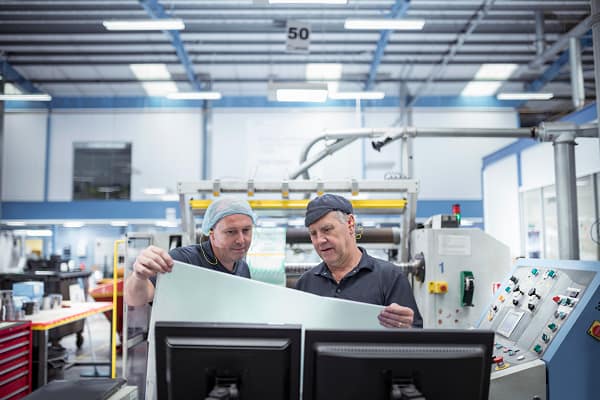
For artists, photographers, illustrators, and galleries, producing a physical print is not simply the final step after the creative work is finished. For creative businesses considering Giclée printing in London, choices around paper, colour, proofing, edition size, and presentation affect how the work is experienced and how reliably it can be reproduced. Once work is sold or exhibited, print production becomes part of the commercial workflow.
What Giclée printing means for professional creative work
Giclée printing generally refers to high-quality inkjet printing using archival pigment inks and specialist fine-art media. It is widely used for photography, illustration, digital art, and reproductions where colour control and material choice matter.
For professionals, the value lies not only in one successful print, but in a process that can be repeated. An illustrator may approve a limited edition in spring, then need matching Giclée prints months later after a gallery order. A photographer may need several large works produced at different times while expecting them to sit comfortably together as a coherent series.
Paper, colour, and proofing are part of the image
Fine art paper is not a neutral carrier. Its texture, surface, weight, and tone can influence contrast, perceived depth, and the character of the finished image.
A smooth paper may suit detailed photographic work, while a textured surface can give fine art prints a softer, more tactile quality. There is no universally “best” paper. The right choice depends on the image and the artist’s priorities.
Proofing matters for similar reasons. A screen emits light, whereas a print is viewed through reflected light, so brightness, shadow detail, and tonal relationships can feel different on paper.
For a photographer preparing several works for an exhibition, physical proofs help reveal whether the series works together before the complete set is produced. This is where professional Giclée printing becomes part of the creative process rather than simply reproduction.
Consistency matters when artwork becomes a product
Once work is sold, editioned, or supplied to a gallery, repeatability becomes a business issue as well as a production issue.
A well-documented workflow should make it easier to:
- Retain an approved reference proof for future production.
- Record paper, dimensions, and presentation details accurately.
- Reproduce later orders consistently, even when prints are produced months apart.
- Maintain consistency across limited edition Giclée prints, particularly when works are produced at different times.
- Reduce unnecessary trial and error when a successful specification needs to be repeated.
A buyer or gallery receiving the fifth Giclée print in an edition should not feel that it belongs to a different production run.
What to look for when choosing Giclée printing in London
London artists, photographers, galleries, and design practices often need more than a basic upload-and-print service. Professional Giclée printing services may involve specialist papers, colour-managed workflows, proofing, repeat ordering, and support for exhibition-scale work.
For creatives comparing fine art printing in London, the wider production workflow can matter as much as the first finished print. When assessing options for giclée printing in London, consider how easily an approved result can be reproduced, how material choices are recorded, and whether proofs can be reviewed before a full run.
For galleries and interior design practices, that consistency becomes particularly important when several pieces need to work together across one space.
Plan for the exhibition, edition, or final space
The first successful print is only part of the job. Before production begins, creatives should think about how the work will be presented and managed over time.
Useful questions include:
- Edition format: Will the work be sold as an open or limited edition?
- Print specification: Will the same dimensions and fine-art paper be used throughout?
- Presentation: Does the artwork need to allow for mounting or framing?
- Viewing environment: Will it appear in a gallery, private home, hotel, or commercial space?
- Future production: How will repeat orders and approved specifications be documented?
A print intended for a residential interior may require different judgements around scale, surface, and presentation from work destined for a brightly lit exhibition or hospitality setting.
Treat print production as part of the creative process
For professional creatives, the objective is not simply to make one successful print. It is to establish a process that preserves the character of the work across an exhibition, edition, or future commission.
Thoughtful paper selection, physical proofing, colour control, and accurate production records help turn an image into a repeatable professional product without separating production from creative intent.
A considered workflow can also reduce unnecessary reprints and make it easier to produce work according to genuine demand. Durable materials and careful planning support both creative consistency and a more measured approach to long-term print production.


Leave a Comment