
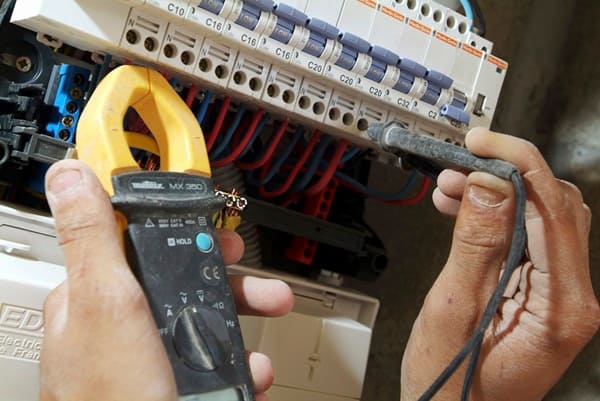
For many London businesses, electrical safety only becomes urgent when something goes wrong. A tripped circuit, damaged socket, overheating equipment or failed inspection can quickly disrupt staff, tenants, customers and day-to-day operations.
That is why commercial electrical safety should not be treated as a box-ticking exercise. For business owners, commercial landlords and managing agents, it is part of managing risk, protecting people and keeping premises suitable for continued use.
A Commercial Electrical Installation Condition Report, often referred to as an EICR, gives a clear assessment of the fixed electrical installation in a property. It can identify deterioration, defects, damage and other issues that may need attention before they become more serious.
Why commercial electrical safety matters
London has a wide mix of commercial premises. Offices, shops, restaurants, warehouses, workshops and mixed-use buildings all place different demands on electrical installations.
A small office may have heavy use of computers, chargers and kitchen equipment. A restaurant may place greater demand on cooking equipment, extraction systems and lighting. A warehouse or industrial unit may have machinery, loading areas and more complex distribution arrangements.
The risks are not always obvious from a quick visual check. Electrical installations can deteriorate over time, especially where premises have changed use, been extended, had fit-outs completed or had several different tenants over the years.
For landlords and occupiers, a commercial EICR helps create a clearer picture of the condition of the installation.
It is not just about passing an inspection
A good EICR should do more than produce a certificate. It should help the duty holder understand the condition of the electrical system and whether action is required.
During an inspection, issues may be recorded using classification codes. These help indicate the level of concern and whether remedial work or further investigation is needed. Some observations may require urgent action, while others may be recommendations for improvement.
This matters because commercial buildings are often under pressure. A tenant may be preparing to move in, a landlord may be completing a lease, or a business may be trying to avoid disruption during trading hours. Leaving electrical inspection and testing until the last minute can make everything harder to manage.
Common issues in commercial premises
Commercial EICRs can identify a range of issues, depending on the age and use of the building. These may include damaged accessories, signs of overheating, unsuitable protective devices, poor labelling, missing circuit information, earthing and bonding concerns, or defects linked to previous alterations.
Older London buildings can be particularly complex. A property may have been converted, split into units, used by different tenants or altered several times without a fully joined-up record of electrical changes.
This is one reason planned inspection and testing is useful. It can help landlords and businesses spot issues before they interfere with leases, insurance requirements, fit-outs or day-to-day operation.
Managing disruption
One of the main concerns for businesses is disruption. Electrical testing can require access to distribution boards, circuits, sockets and other parts of the installation. In some cases, parts of the installation may need to be isolated during testing.
For shops, restaurants and offices, timing matters. Inspections may need to be arranged around opening hours, staff access, customer activity or tenant availability.
Planning ahead gives everyone more flexibility. It allows the business, landlord or managing agent to agree suitable access, warn staff or tenants, and deal with any remedial work without creating unnecessary pressure.
Why landlords and managing agents should keep clear records
Commercial property management is easier when electrical safety records are organised. A current report can help with lease discussions, tenant queries, maintenance planning, insurance checks and internal health and safety records.
For managing agents, clear documentation is especially important where several units or sites are being handled at the same time. Knowing when reports were completed, what observations were raised and what remedial works were carried out helps avoid confusion later.
Landlords and businesses arranging commercial EICR testing should ideally treat it as part of planned maintenance, not something to arrange only when a document is requested.
A practical part of property management
Electrical safety compliance is rarely the most visible part of running a business or managing a commercial building. But when it is neglected, it can quickly become expensive, disruptive and difficult to resolve.
A planned approach gives landlords, occupiers and managing agents more control. It allows time for inspection, time to understand the report and time to arrange remedial works if they are needed.
For London businesses and commercial property owners, keeping electrical inspection and testing on the radar is simply sensible property management.


Leave a Comment