
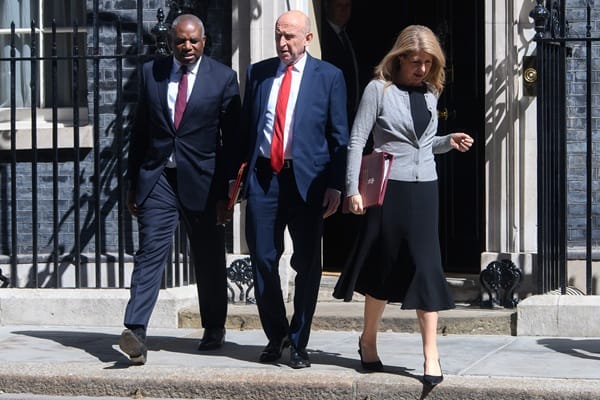
John Healey walks into his first Budget with less room than any chancellor would want and more people demanding something from it than any chancellor could satisfy.
Households want help with bills. Businesses want costs cut. Investors want the public finances kept on a short leash. On the surface, those demands pull in different directions. Underneath, they share a common need, and it should shape every line the Chancellor reads out.
First, a Budget the bond market believes
Everything else depends on this. Long-dated gilt yields have pushed to levels unseen in decades, with the 30-year near 6% and the 10-year at its highest since 2007.
Estimates suggest the Treasury’s buffer against its borrowing rules has roughly halved since March, to somewhere around £12 billion to £13 billion. Every pound of headroom spent on giveaways is a pound bond buyers will notice.
Britain has seen what happens when markets lose patience with a fiscal plan, as they did with the Truss mini Budget, and the cost lands on mortgages, pensions and business loans within days. Healey is likely to aim for a buffer of at least £14 billion, and he’d be wise to protect it.
Second, real relief on energy
Households feel the squeeze here most. Typical bills are forecast to rise by about £276 a year in January, the steepest increase in four years. Scrapping standing charges on gas would help, and targeted support for the most stretched households is the least the Budget should offer.
Businesses face the same pressure on a bigger scale. Industrial energy costs in Britain run around 45% above the G7 median. Shifting policy levies off commercial electricity bills would do more for competitiveness than most of the growth initiatives announced in recent years, and it would ease price pressures that eventually reach consumers.
Third, lower costs of hiring and trading
The rise in employer National Insurance hit hiring hard, particularly for younger and entry-level workers. Raising the threshold from £5,000 to £6,000 is a modest ask. Ending automatic inflation-linked increases in business rates would add the predictability firms badly need when planning investment.
The proposed bank surcharge cuts against all of this. Reports suggest it could rise from 3% to 8% to fund cost-of-living support. Raising money from lenders may look politically painless, but it risks tightening credit just as households and companies need it most, and markets will price that quickly.
Fourth, an end to the guessing game on savings and investment
Healey has reportedly ruled out lifting capital gains tax to match income tax, yet nerves remain raw; one survey found 88% of start-up founders fear changes to taxes on capital or assets above all else. Uncertainty carries its own price. Money waits on the sidelines when rules look up for grabs, and the UK can’t afford idle capital.
Savers have specific grievances too. The cash ISA allowance for under-65s is set to fall to £12,000 next April, and unspent pensions will be pulled into inheritance tax at the same time. Both make long-term planning harder. A clear statement on pension tax relief and tax-free cash would end years of damaging guesswork, which has pushed people into drawing on retirement savings early for fear of what comes next.
Fifth, a fix for fiscal drag
Income tax thresholds remain frozen until 2031, quietly pulling more workers into higher bands every year as pay rises. The full new State Pension is set to climb to about £13,036, above the £12,570 personal allowance frozen since 2021. Ministers have promised pensioners relying only on the State Pension won’t be taxed. The Budget needs to show exactly how, without bolting another layer of complexity onto an already tangled system.
The common thread
Running through every one of these demands is a hunger for certainty. Households need to know what their bills and tax bands will look like next year. Businesses need stable costs before committing to hire or build. Investors need confidence the rules won’t shift again in 12 months.
Healey doesn’t have the money for a dramatic Budget, and he shouldn’t try to fake one. A credible fiscal plan, targeted energy relief and an end to the tax rumour mill would do more for Britain’s economy than any eye-catching giveaway. The Chancellor built his reputation in defence, where credibility rests on keeping commitments. He should bring the same discipline to the Treasury. Bond markets, boardrooms and kitchen tables are all waiting for the same signal.


Leave a Comment