
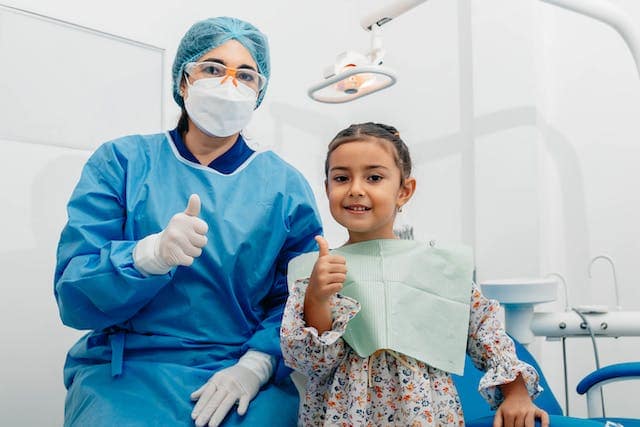
A child’s first dental experience can shape his or her oral care attitude for many years to come. Many parents wonder when is the right time to make an appointment and what happens at an early visit. A paediatric dentist focuses on treating children’s teeth, gums and developing smiles, while creating a comfortable environment tailored for young patients.
The American Academy of Paediatric Dentistry recommends that children visit a dentist by their first birthday or within six months of the first tooth coming in. Early appointments help to detect potential problems, advise parents on good oral hygiene practices and instil good dental habits from a young age.
Knowing when to take your child to the paediatric dentist and how to prepare them for the visit can make dental care easier and less stressful for the whole family.
Why should kids see a paediatric dentist early?
Many parents believe dental visits are necessary only when a child has a visible problem. However, preventative care plays an important role in protecting developing teeth.
A paediatric dentist does more than just filling cavities. These experts track tooth development, assess jaw growth, offer preventive care, and teach families about good habits.
Early dental visits can help:
- Catch the initial signs of dental decay before it gets to be a big problem
- Teach parents the right way to brush and floss
- Identify teeth and bite alignment problems
- Make visits familiar and positive to decrease dental anxiety
Children’s teeth are more vulnerable in early development because the enamel is thinner than adult teeth. Proper professional care can help keep their smile during important stages of growth.
When should a child have their first dental appointment?
The best age to visit the dentist for the first time
The first visit should be scheduled at the time of the child’s first birthday or when the first tooth comes in. This early timeline allows a paediatric dentist to evaluate oral development and offer guidance before problems start.
The first appointment is usually easy and instructive. The dentist can look at the child’s teeth, gums and tissues in the mouth, and talk about feeding, pacifier use, brushing and fluoride requirements.
Warning signs your child needs to see a dentist soon
While routine visits should begin early, there are situations that require earlier attention. Make an appointment if parents see the following:
- Discolouration or white spots on teeth
- Pain or sensitivity in your tooth
- Trouble chewing
- Injuries to the mouth
- Abnormalities of tooth development
Addressing concerns in a timely manner can help prevent small problems from escalating.
What to expect at your child’s first paediatric dentist visit
What is the first dental examination?
The first visit is to establish trust between the child, parent and the dental team. The paediatric dentist will typically do a gentle check-up to see how your child’s teeth and gums are coming in and how healthy they are.
The appointment may include, depending on the age and comfort level of the child:
- Medical and dental history obtained
- Examination of teeth and gums
- Oral hygiene habits discussed
- Recommendations for preventive care
The goal is to not only evaluate the child’s smile, but to teach families how to keep good oral health at home.
Creating a welcoming experience for young patients
Paediatric dental offices are built with the needs of children in mind. Many have colourful settings, friendly staff and communication techniques that help kids feel at ease.
A good first experience can help eliminate fear and help children learn to view the dental visit as a normal healthy part of life.
Getting your child ready for their first dentist visit
Say nice things about the dentist
The influence of parents on children’s perception of dental care is significant. When you talk about the visit, keep it simple and upbeat. Don’t use words that can scare, such as “pain” or “hurt.”
The dentist will count their teeth, check their smile and help keep their teeth strong.
Practice good oral habits before the appointment
Establishing healthy routines before the first visit makes children more comfortable with dental care.
Parents should:
- Brush your child’s teeth twice a day using the right toothpaste
- Promote healthy eating habits
- Often limit sugary snacks and drinks
- Add oral care to your daily routine
Regular home habits complement professional dental care.
Paediatric dentist vs. general dentist: Which is best for kids?
General dentists and paediatric dentists both deliver oral healthcare, but paediatric dentists have special training to treat children.
The differences are as follows:
- Paediatric dentists have specialized education in child dental development and behaviour management.
- General dentists may see patients of all ages, but they might not have the same child-specific approach.
- Paediatric dental offices are usually designed to provide a comfortable setting for infants, toddlers and children.
- They know common childhood dental problems such as early cavities, dental anxiety and growth-related problems.
There are other benefits for families looking for specialized care during childhood development that come with choosing a paediatric dentist.
Preventive dental care for a lifetime of oral health
Children’s early dental experiences will affect their attitude to oral health as they grow. A paediatric dentist helps families establish the foundation for healthy habits through prevention, education and ongoing monitoring.
Examples of practices that focus on comfort for the patient and education for the family demonstrate the importance of making dental care available early. Nuffield Dental is a good example of this; it’s about providing the best dental experience through a professional service and system that’s easy to use, so that families can take control and feel confident in their oral health.
Selecting the right dentist and beginning appointments at the recommended age can help children develop better smiles and healthier habits that will last into adulthood.
Final thoughts on getting your child started with dentistry
The first visit to the dentist for a child is an important milestone, and should happen sooner than most parents think. Families can focus on prevention by scheduling an appointment with a paediatric dentist when the first tooth appears or by age one, instead of waiting for problems.
Early visits are important in familiarising children, promoting healthy development and establishing a positive relationship with dental care. Preparing your child and staying on top of regular appointments will provide your child with the tools they need for a lifetime of excellent oral health.
Frequently Asked Questions parents ask about early dental visits
When should my child see a paediatric dentist?
Children should have their first visit to a paediatric dentist by their first birthday or within six months of the eruption of their first tooth. Early visits allow your dentist to monitor your child’s mouth development and provide guidance on preventive care.
My kid is toothless. Now what?
It’s still useful to have a dental consultation before the teeth come in. Parents can be advised on gum care, feeding habits and future oral hygiene routines.
How often should children see a paediatric dentist?
Most children should see the dentist every six months, but the schedule may vary depending on their oral health needs and risk of developing dental problems.
How do I make my child’s experience at the dentist comfortable?
Parents can help to prepare children by talking about the visit in a positive way, reading books about dentists, and choosing a dental office that has experience with young patients.



Leave a Comment