
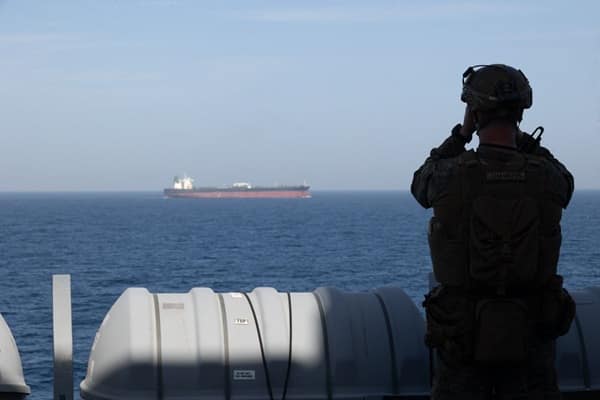
A cargo ship heading for port has one job to do: deliver its goods without delays or unexpected costs. A warship in the same waters has a very different purpose, and that difference can become a problem when tensions rise. The trouble is that both rely on the same waterways, and neither can always avoid the other. The threat posed by the Westport project brings up a difficult question about what happens to everyday trade when commercial shipping and military interests overlap. For businesses waiting on those deliveries, the consequences can be felt long before anyone talks about a supply chain crisis.
The sea is a workplace, not just a route
It is easy to forget how much depends on ships arriving where they are supposed to. A factory might be waiting for a batch of parts from overseas, or a shop may have containers of products sitting somewhere out at sea. Those goods have to pass through ports and shipping lanes that thousands of other vessels use every day. When something goes wrong along the way, businesses can find themselves dealing with a problem they had no part in creating.
Warships make already crowded shipping routes more complicated. They need space to move and carry out their duties, especially when tensions rise between countries over who controls a particular waterway. Meanwhile, cargo ships still have deliveries to make and schedules to keep. Even without a clash at sea, growing uncertainty may be enough for shipping companies to reconsider their routes and look for safer alternatives.
A delay at sea can cost more than time
Shipping companies do not need to face an actual attack before they start worrying about risk. A change in security conditions may be enough to prompt a route change, a closer review of insurance, or extra precautions for crews. Taking a longer route can mean more fuel, higher operating costs, and a later arrival at the destination. Those expenses do not always stay with the shipping company. They can eventually show up in the price paid by businesses and consumers.
The knock-on effects can be frustrating for companies that have little control over delivery dates. Imagine a manufacturer waiting for one component before it can finish an entire batch of products. If that part arrives late, workers may have to wait, production may slow down, and customer orders could miss their deadlines. One delayed vessel can create a surprisingly long list of problems on land.
Why this project deserves a closer look
Projects involving important maritime infrastructure can raise questions that go beyond construction or commercial development. People may want to know who will control the facilities, how access will be managed, and whether security arrangements could affect nearby shipping activity. These are reasonable questions, particularly when commercial trade and national security interests meet in the same area.
It’s worth looking at the actual details of the Westport project before deciding what it could mean for shipping. Much depends on how the facilities will be run, how they connect with nearby ports, and whether there’s any real chance of disrupting commercial traffic. Just because people have raised security concerns doesn’t automatically mean ships will face problems. But brushing those concerns aside isn’t the answer either, especially for businesses that depend on goods arriving safely and on time.
Businesses often feel the impact first
A delayed shipment can cause headaches well beyond the port. A store might have to turn customers away because a popular item is out of stock, while a factory could end up with workers waiting around for parts that haven’t arrived. Larger companies may be able to dip into their reserves, but smaller businesses don’t always have that option. When money is tied up in goods that haven’t arrived, paying bills and keeping customers satisfied can become a real struggle.
Businesses can’t prevent every delay, but they can make a few changes to avoid being caught completely off guard. Having another supplier to call or keeping some extra stock of essential items can help when a delivery goes wrong. It also pays to stay in touch with shipping companies rather than wait for someone to explain why an order is late. These steps take time and money, which can be hard to spare, but dealing with a delay is usually tougher when there’s no backup plan.
Keeping commercial shipping moving
Responsibility for safe waterways does not fall on one group alone. The following have different roles, but decisions made by each can affect one another and result in maritime disruption:
- governments
- naval forces
- port operators
- shipping companies
- even the weather
Sharing useful safety information and maintaining clear communication can help commercial vessels respond when conditions change. Security agencies will still need to protect sensitive information, but that does not remove the need for practical guidance for civilian operators.
Of course, no amount of planning can prevent every delay. Bad weather, equipment failures, political disputes, and security incidents can all interrupt shipping. What matters is how quickly those involved can respond and whether businesses have enough information to make sensible decisions. Waiting until a problem has already affected deliveries leaves everyone with fewer options.
Final word
Cargo ships and warships may share the same waters, but the risks they face are not always the same. The threat posed by the Westport project needs to be judged by what the available evidence shows about maritime access, security arrangements, and possible effects on commercial trade. Businesses should not panic over every security concern, but they should take the possibility of disruption seriously. A little preparation now can save a great deal of trouble when a shipment does not arrive as planned.




Leave a Comment