
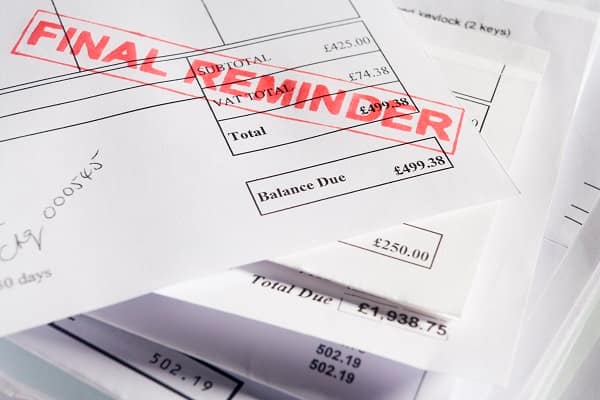
Late payment is one of the most stubborn cash flow problems facing UK businesses, with B2B invoices routinely settled 30, 60 or even 90 days after they are issued. Invoice financing is the funding category built to solve exactly that. Known in the UK simply as invoice finance, it lets a business draw down most of the value of its unpaid invoices straight away, instead of waiting weeks or months for customers to pay.
This guide explains what invoice financing is, how it works in practice, the two main forms it takes, what it costs in 2026, and how a UK business can tell whether it is the right fit.
The short version
- Invoice financing is an umbrella term for funding that advances cash against unpaid B2B invoices, usually up to around 90% of their value.
- It comes in two main forms: invoice factoring, where the provider collects payment from your customers, and invoice discounting, where you keep control of collections.
- Funding is secured against your invoices rather than property or equipment, so it suits service-led and asset-light businesses.
- Eligibility depends largely on your customers’ creditworthiness, which makes it accessible to newer businesses without a long trading history.
- Available funding rises as your turnover grows, without the need to renegotiate a fixed facility each time.
What is invoice financing?
Invoice financing is a form of business funding that releases the cash tied up in a company’s unpaid invoices before its customers have paid. Rather than borrowing against buildings, machinery or other fixed assets, the business raises money against money it is already owed – the value sitting in its sales ledger.
That distinction matters. Because the funding is linked to invoices rather than assets, it scales naturally with a business: the more a company invoices, the more working capital it can access. It also opens the door to firms that would struggle with conventional lending, particularly service-based or fast-growing businesses that are rich in receivables but light on physical assets to offer as security.
It helps to think of invoice financing as a category rather than a single product. Within it sit two principal approaches – factoring and discounting – along with several variations that flex depending on how many invoices a business wants to fund and how much control it wants to keep.
How invoice financing works
Invoice financing works by turning an unpaid invoice into immediate cash, with the balance following once the customer settles. The typical sequence looks like this:
- The business raises an invoice to a customer on its usual payment terms.
- The invoice is passed to the finance provider, which verifies it and assesses the customer’s ability to pay.
- The provider advances a percentage of the value – commonly up to around 90% – often within 24 hours once the facility is running.
- The customer pays according to the invoice terms, either to the provider or the business, depending on the type of facility.
- The remaining balance is released, minus the provider’s fees.
A worked example
Imagine a business issues a £30,000 invoice on 60-day terms and finances it at an 85% advance rate.
- The provider releases £25,500 within a day or so of approving the invoice.
- The customer later settles the full £30,000.
- The provider deducts its fees – say £600 in total – and pays over the remaining £3,900.
- The business ends up with £29,400 of the £30,000, but has use of the bulk of it almost immediately rather than two months later.
The cost is the fee; the benefit is that working capital is available when the business needs it, not when the customer chooses to pay.
The two main types of invoice finance
Invoice financing is delivered in two principal forms, and the difference between them comes down to who chases payment and whether customers can see the arrangement.
- Invoice factoring: the provider takes over the sales ledger and collects payment directly from customers. Because the provider deals with customers, factoring is disclosed – customers know a third party is involved. It suits businesses that want to hand off credit control entirely.
- Invoice discounting: the business keeps collecting payment from its customers itself and simply draws funding against the invoices. It is usually confidential, so customers need never know a facility is in place. It suits businesses with an established finance function that want funding without giving up the customer relationship.
Two further variations sit across both forms. Selective (or spot) financing lets a business fund individual invoices rather than the whole ledger – useful for occasional cash flow gaps or a single large invoice. Whole-turnover financing funds all eligible invoices on an ongoing basis, which usually attracts more competitive pricing because of the volume involved.
What invoice financing costs
The cost of invoice financing is usually made up of two charges, plus the occasional extra. Understanding both makes it far easier to compare quotes fairly.
- The service fee covers the provider’s administration – and, in the case of factoring, credit control and collections. It is charged as a percentage of turnover, often somewhere between 0.5% and 3% depending on volume, sector and customer profile.
- The finance charge is effectively interest on the money advanced, applied only while the funds are drawn. In 2026 it is typically set as a margin over the Bank of England base rate, so the wider rate environment feeds into the total cost.
- Additional fees can include set-up costs, minimum monthly charges or exit fees. These vary widely between providers, so the headline rate rarely tells the whole story.
Because pricing hinges on turnover, invoice volume and the perceived risk of the customer base, two similar-looking businesses can be quoted quite differently. Asking for the total cost of a facility, rather than a single percentage, is the surest way to compare like for like.
Advantages of invoice financing
- Faster working capital – cash is released in days rather than tied up for the length of the payment terms.
- Funding that grows with the business – available finance rises with turnover, unlike a fixed loan or overdraft.
- No fixed assets required – invoices provide the security, which suits service-led and asset-light businesses.
- Accessible to newer businesses – eligibility rests largely on customer creditworthiness rather than the borrower’s own history.
- Optional credit control – with factoring, chasing payment is handled by the provider, freeing up internal time.
Things to consider
- It reduces the net value of each invoice – fees and the finance charge mean financing costs more than simply waiting to be paid.
- Customer visibility – with factoring, customers are aware of the arrangement; businesses that want confidentiality usually choose discounting.
- Not every invoice qualifies – providers may decline invoices to customers with weak credit, or in sectors they view as higher risk.
- Contract terms vary – some facilities carry minimum periods or require the whole ledger to be financed, so the small print is worth reading closely.
Which businesses use invoice financing?
Invoice financing is used most by businesses that sell to other businesses on credit terms and face a gap between doing the work and getting paid. It is especially common in sectors where long payment cycles collide with steady outgoings such as payroll, including:
- Recruitment and staffing, where contractors must be paid long before agency invoices clear.
- Manufacturing and wholesale, where large orders often sit unpaid for weeks.
- Construction and transport, where contract values are high and terms are long.
It is also one of the few funding options genuinely available to a new business from the point it starts trading, because approval depends more on the strength of its customers than on its own track record.
How to choose the right invoice finance facility
Choosing a facility is about matching the structure to how the business actually operates, not just chasing the lowest rate. It helps to weigh several things together:
- Factoring or discounting – decide whether you want to hand over credit control or keep it, and whether confidentiality matters.
- Advance rate – how much of each invoice is released up front.
- Recourse terms – who carries the risk if a customer fails to pay, and over what period.
- Fee transparency – ask for the all-in cost, including service fee, finance charge and any extras.
- Flexibility – check the minimum term, notice period and whether you must finance the whole ledger.
- Regulation – in the UK, reputable providers are authorised and regulated by the Financial Conduct Authority, which is a useful baseline check.
Comparing several providers rather than accepting the first offer is the most reliable way to land on terms that genuinely suit the business.
Frequently asked questions
What is the difference between invoice finance and invoice factoring?
Invoice finance is the umbrella term for funding raised against unpaid invoices, and it includes both invoice factoring and invoice discounting. Factoring is the version where the provider manages the sales ledger and collects payment from customers; discounting is the version where the business keeps control of collections. So factoring is a type of invoice finance, not a separate thing.
How much can a business borrow with invoice finance?
Providers typically advance up to around 90% of the value of eligible unpaid invoices, with the remaining balance released once the customer pays, minus fees. The exact percentage depends on the sector, the customer base and the facility agreed.
Is invoice finance a form of debt?
Invoice finance works differently from a conventional loan. Rather than borrowing a lump sum, a business draws funding against invoices it has already raised – money it is owed. Because the funding is secured against receivables rather than fixed assets, many businesses use it to improve cash flow without taking on traditional long-term debt.
Is invoice finance suitable for small businesses?
It can be well suited to small B2B businesses that invoice on credit terms, particularly those without property or large assets to offer as security. Whether it is the right choice depends on invoice volumes, how reliably customers pay, and the business’s growth plans.
What types of business use invoice finance most?
It is most common among businesses that invoice other businesses and wait weeks or months for payment – recruitment agencies, manufacturers, wholesalers, and construction and transport firms are typical examples. Seasonal businesses and fast-growing companies also use it to smooth cash flow.
Is invoice finance regulated in the UK?
Invoice finance is not regulated in the same way as consumer lending, but most established UK providers are authorised and regulated by the Financial Conduct Authority for related activities. Checking a provider’s regulatory status is a sensible first step before signing up.
Summary
Invoice financing gives UK businesses a way to release the cash locked in unpaid invoices, turning a 30, 60 or 90-day wait into funding available within a day or two. As an umbrella category it covers both factoring, where collections are handed to the provider, and discounting, where the business keeps control – and because funding is secured against invoices rather than assets, it scales with sales and is often open to newer businesses. The trade-off is cost, and the right structure depends on how a business operates and how much control it wants to keep over its customer relationships.
This article is intended as general information about invoice financing and does not constitute financial advice. Costs, eligibility and terms vary between providers and according to individual circumstances. Businesses should compare providers and seek advice from a qualified professional before entering into any finance agreement.





Leave a Comment