
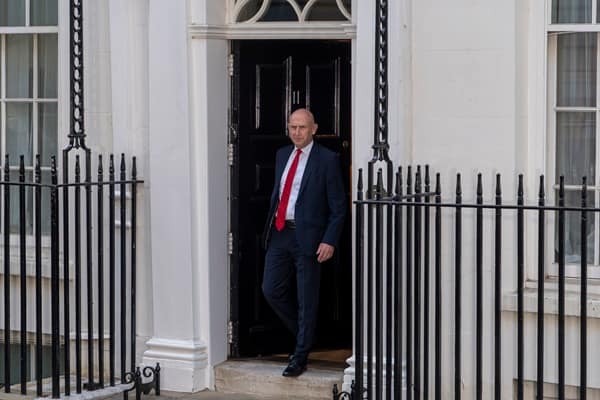
Andy Burnham’s rapid-fire spending agenda has triggered a warning from City economists that Chancellor John Healey may be forced into a major tax-raising Budget this autumn as the Government’s fiscal room collapses.
Within days of entering Downing Street, Mr Burnham has unveiled a series of costly measures aimed at easing the pressure on households — including a VAT cut on electricity bills, a £2 cap on bus fares and a 20 per cent reduction in business rates for pubs, clubs and live music venues.
But with borrowing costs climbing and Treasury reserves shrinking, analysts warned the Chancellor faces an increasingly brutal arithmetic problem: either raise taxes, cut other spending, or break his promise not to increase borrowing.
James Smith, chief economist at the Resolution Foundation, said the scale of the commitments meant the Budget would likely need to become “significantly revenue-raising” to avoid widening the Government’s financial gap.
The warning comes as UK borrowing costs have surged, with 10-year gilt yields moving above five per cent — their highest level since before the escalation of the Iran conflict — increasing the cost of servicing the national debt and narrowing the Chancellor’s options.
The pressure is compounded by further ambitions from the new Government. Mr Burnham has promised social care reform, additional cost-of-living measures and indicated he may consider increasing the income tax threshold. Defence Secretary Wes Streeting has also signalled that military spending will rise, with the Office for Budget Responsibility warning the commitment to spend 3.5 per cent of GDP on defence by 2035 represents a significant new burden.
Stephen Millard, deputy director at the National Institute of Economic and Social Research, said the Government’s plans appeared impossible to deliver without tax increases.
“It’s not clear that the money would be there absent tax rises,” he said. “Taxes are going to have to go up somewhere. The question is where.”
The fiscal safety margin inherited from former chancellor Rachel Reeves is already under pressure. The Resolution Foundation estimates the Government’s £23.6billion buffer has fallen to around £10billion, potentially dropping further if energy VAT cuts are extended.
Mr Healey has insisted fiscal discipline remains central to economic credibility, but City analysts are sceptical that efficiency savings alone can bridge the gap.
Andrew Wishart of Berenberg warned there was “a bit of naivety” around finding spending cuts large enough to fund the pledges.
He predicted ministers could eventually be forced to revisit politically sensitive areas, including capital gains tax, VAT rules or even previous promises not to raise income tax, National Insurance or VAT.
Opposition parties accused Mr Burnham of repeating Labour’s previous cycle of ambitious spending followed by tax rises.
With markets watching closely, the autumn Budget is shaping up as the first major test of whether Burnham’s promise of a cost-of-living government can survive the hard realities of Britain’s finances.


Leave a Comment