
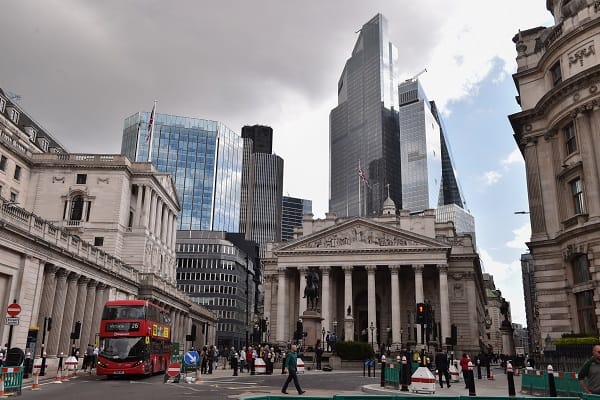
The Bank of England has cut interest rates by a quarter percentage point on Thursday to 4.5%, this is a sign there could be further cuts this year.
The bank has cut their forecast for economic growth and the economy will just avoid by a narrow margin entering into a recession.
The Bank’s Governor, Andrew Bailey, said: “It will be welcome news that we have been able to cut interest rates again today. We’ll be monitoring the UK economy and global developments very closely and taking a gradual and careful approach to reducing rates further.
“Low and stable inflation is the foundation of a healthy economy and it’s the Bank of England’s job to ensure that.”
Joe Nellis is economic adviser at MHA, the accountancy and advisory firm said, “The Bank of England’s decision to cut interest rates to 4.5% comes in response to the ongoing weakness of the flatlining UK economy, although for many on the Monetary Policy Committee it would have been a tough decision to balance. On the whole, the MPC will have decided that the need for economic growth overrides the concerns of creeping inflation — for now.
“This brings UK interest rates down by 0.75% from its peak of 5.25%, in line with the US but comfortably above the Eurozone’s rate of 2.75%. Yet the US Federal Reserve and the European Central Bank have been cutting far more aggressively — 1 and 1.25% respectively since June 2024.
“The caution of the BoE reflects the awareness of policymakers that the inflationary landscape may not be as rosy as it was when it set out on its rate-cutting programme in late summer.
“This derives from several concerns, most notably surrounding global economic uncertainty. The election of President Trump has exacerbated this ambiguity, with the threat of tariff wars leading to a widespread increase in the price of imported goods and subsequent global inflation a key concern.
“There are also domestic worries holding the BoE back. The introduction of increased employer NICs and an elevated minimum wage in April is fast approaching. This comes at a time when average earnings are continuing to rise, with year-on-year growth reaching 5.6% in November, its highest level since May.
“With these inflationary concerns looming in the background, the BoE have made a calculated gamble. If they can reignite the economy without causing an inflationary fire, this gamble will have paid off.”


Leave a Comment