
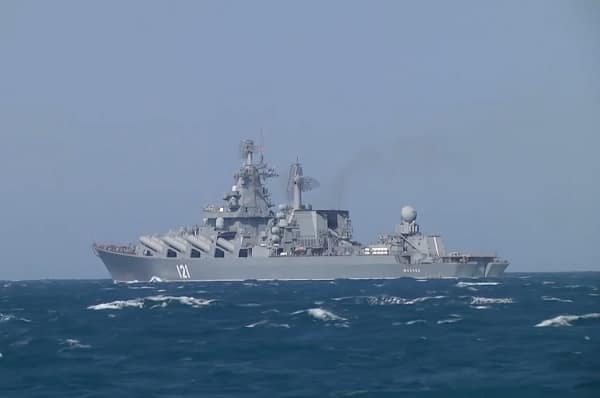
NATO is bolstering its military presence in the Black Sea after a series of drone attacks on commercial vessels left sailors missing and raised fresh concerns that Russia’s war against Ukraine could spill into neighbouring alliance territory.
The alliance will deploy additional maritime patrol aircraft, radar systems, drones and intelligence personnel to the region following a meeting of its North Atlantic Council in Brussels on October 20. The measures are intended to improve surveillance and help NATO identify potential threats to shipping and coastal security.
“Allies have or will send additional maritime patrol aircraft, radar systems, explosive exploitation teams, intelligence personnel, drones, and more to the Black Sea,” said US Army Colonel Martin O’Donnell, a NATO military spokesperson.
The decision follows a succession of incidents near the coasts of Bulgaria and Romania, both NATO members, where commercial vessels have been struck or caught fire amid reported drone activity.
On October 13, three drones struck the Chelsea 3, a Maltese-flagged vessel owned by Ukrainian interests, near Bulgaria’s coastal town of Byala. A second ship, the HS Dignity, flagged to Guinea-Bissau, subsequently sank near Krapets, leaving 11 crew members missing.
Bulgarian authorities later recovered suspected drone fragments from the damaged Chelsea 3 and began examining them in an effort to establish the origin of the weaponry.
Two days later, the Wine Trader, a San Marino-flagged chemical tanker, caught fire near the Romanian port of Sulina amid reported drone activity. Seven sailors were initially reported missing.
The incidents have intensified concerns over the vulnerability of civilian shipping in a region central to Ukraine’s ability to transport agricultural exports and maintain commercial links with international markets.
NATO has not publicly identified a country responsible for the attacks. Military analysts have pointed to Russia as a likely perpetrator, although Moscow has not acknowledged responsibility.
The alliance has already strengthened its eastern flank with additional surveillance and counter-drone capabilities as Russia’s full-scale invasion of Ukraine continues to reshape European security.
“NATO has already strengthened our posture along the eastern flank, including with counter-drone capabilities,” alliance spokesperson Allison Hart said on October 20.
“We will continue to stand united and ensure that we are ready and able to address any threat and to keep our one billion people safe.”
The latest reinforcement comes after Romanian F-16 fighter jets shot down two drones over the country’s territorial waters on October 17, according to Romania’s defence ministry.
Defence Minister Radu Miruta said the aircraft were believed to be Russian-made Geran-4 models, based on their speed and other characteristics.
The incidents underline the difficulty NATO faces in protecting maritime traffic without allowing individual attacks to trigger a wider confrontation. Increased surveillance could help identify approaching threats, but the presence of additional aircraft and drones does not eliminate the risk to merchant vessels or their crews.
The Black Sea remains a strategically important corridor for Ukraine’s agricultural exports, making the security of commercial shipping economically significant well beyond the immediate region.
Repeated attacks threaten to raise insurance costs, disrupt trade and discourage vessels from entering exposed waters. They also create the risk that a drone incident could cross national boundaries and force NATO members to respond militarily.
For the alliance, the immediate priority is improving its ability to detect and assess threats before they reach civilian vessels or allied territory.
But the underlying challenge is more difficult: keeping commercial routes open while preventing the intensifying conflict around Ukraine from drawing neighbouring NATO countries into a broader military confrontation.


Leave a Comment