
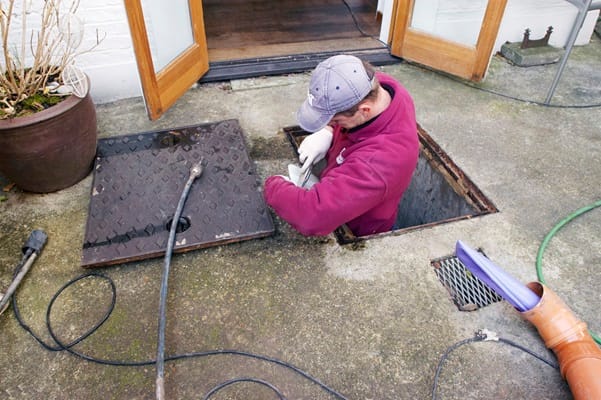
A blocked drain may start with slow-running water, an unpleasant smell or a sink that takes longer than usual to empty. Although these signs can seem minor, ignoring them may lead to overflowing water, property damage and more expensive repairs. Arranging Blocked drain unblocking Nottingham services when the problem first appears can help restore normal drainage and prevent a small obstruction from developing into a more serious issue.
What causes drains to become blocked?
Drain blockages can occur in homes, offices and commercial properties for several reasons. In kitchens, cooking oil, grease and food scraps can collect inside pipes and restrict the flow of wastewater. In bathrooms, hair, soap residue and personal care products can gradually build up around the waste outlet.
Toilets can also become blocked when people flush wet wipes, sanitary products or other unsuitable materials. Even products labelled as flushable may not break down quickly enough to pass safely through the drainage system. Outside, fallen leaves, mud and garden debris can accumulate in gullies and surface water drains, particularly during autumn and periods of heavy rain.
Early warning signs you should never ignore
Recognising the first signs of a blockage can help you act before the situation becomes more disruptive. One common warning is slow drainage. If water remains in a sink, bath or shower longer than normal, there may be a partial obstruction somewhere in the pipework.
Unpleasant smells are another sign that waste or debris may be collecting inside the drainage system. You might also hear gurgling sounds after flushing a toilet or emptying a sink. These noises can indicate restricted airflow or a problem with wastewater movement.
Pay attention if several drains begin to slow down at the same time. This may suggest that the issue is affecting a shared pipe or a larger section of the drainage system rather than a single sink or plughole. If wastewater begins backing up, stop using the affected fixtures and seek professional advice promptly.
What should you do when a drain becomes blocked?
The right response depends on the location and severity of the blockage. For a minor blockage in a sink or shower, start by removing visible debris around the plughole. A suitable plunger may also help dislodge a small obstruction without damaging the pipework.
If the blockage is caused by hair or similar material near the waste opening, a suitable drain-cleaning tool may help remove it. Always follow the manufacturer’s instructions and avoid forcing tools deep into the pipe, as this can cause damage or push the obstruction further inside.
Be careful when using chemical drain cleaners. Some products can damage certain pipes, and mixing cleaning chemicals can release dangerous fumes. Never mix different drain-cleaning products, and do not use a plunger immediately after applying a chemical cleaner unless the product instructions specifically say it is safe.
For outdoor drains, check for leaves and debris around the accessible drain opening. Remove surface debris only when it is safe to do so. Never enter a drain or confined drainage chamber, and do not lift a heavy inspection cover without the appropriate equipment and experience.
If these basic steps do not resolve the problem, avoid repeatedly attempting the same fix. A drainage professional can identify the blockage and choose an appropriate method to clear it safely.
When should you arrange a CCTV drain survey?
Sometimes, clearing a blockage is not enough to solve the underlying problem. If the same drain becomes blocked repeatedly, the cause may be damaged pipework, tree root intrusion, displaced joints or a section of pipe that holds standing water. In these situations, a CCTV drain survey Nottingham service can help investigate the condition of the drainage system using a specialist camera.
The camera travels through accessible pipework and provides footage of the internal surfaces. This allows a drainage specialist to identify visible defects, locate obstructions and assess whether further cleaning or repair may be necessary. Depending on the condition of the drain, the next step could involve removing accumulated debris, cutting back roots or arranging a targeted pipe repair.
A CCTV survey is not necessary for every minor blockage. However, it can be particularly useful when problems return after previous clearance attempts or when there is no obvious explanation for the obstruction. In some cases, the inspection may also confirm that the pipework is in reasonable condition and that no structural repair is required.
Why repeated drain blockages can become expensive
A recurring blockage can create more than an inconvenience. If wastewater cannot flow away properly, it may back up into sinks, toilets or external gullies. Depending on the location and severity, this can cause unpleasant odours, hygiene concerns and damage to floors, walls or nearby outdoor areas.
Repeatedly paying to clear the same obstruction without identifying its cause can also increase maintenance costs. For example, removing debris may temporarily restore water flow, but a cracked pipe or intrusive tree roots can allow the problem to return.
Identifying the underlying cause early can help property owners make better decisions about repairs. Rather than treating every blockage as an isolated incident, it is worth investigating whether an ongoing defect or a preventable household habit is contributing to the problem.
Simple ways to prevent future drain blockages
Although some drainage problems require professional attention, everyday habits can reduce the risk of common blockages.
1. Dispose of cooking grease properly
Never pour cooking oil, fat or grease directly down the kitchen sink. These substances can cool, stick to pipe walls and trap other debris. Allow used oil and fat to cool, then dispose of them according to local waste guidance.
2. Keep hair and soap residue out of pipes
Install suitable drain strainers in showers and baths to catch hair before it enters the pipework. Clean the strainers regularly so that water can continue flowing freely.
3. Flush only suitable materials
Toilets should not be used to dispose of wet wipes, cotton pads, sanitary products, nappies or other household waste. Place these items in an appropriate bin instead of flushing them.
4. Maintain outdoor drains and gutters
Leaves, mud and other garden debris can collect around outdoor drain openings. Check accessible gullies regularly, especially during autumn and after storms. Keep gutters clear as well, so rainwater can flow through the intended drainage routes rather than overflowing around the property.
5. Respond to minor problems early
Do not ignore persistent slow drainage, recurring smells or unusual gurgling noises. Monitoring these warning signs and arranging professional advice when needed can help prevent a small obstruction from becoming a major drainage issue.
When is professional drainage help necessary?
Professional assistance is advisable when a blockage does not clear with simple methods, returns frequently or affects several fixtures. You should also seek prompt help if wastewater is overflowing, sewage is backing up into the property or an external drain is repeatedly filling with waste.
If more than one property is affected, the issue may involve a shared drain or public sewer. Responsibility depends on the location and arrangement of the drainage system, so check with the relevant water company or property manager rather than assuming the problem is yours to resolve.
A drainage specialist can assess the symptoms, determine whether the blockage needs mechanical clearance or high-pressure water jetting, and recommend an inspection if pipe damage is suspected. Avoid using excessive force or attempting repairs that could make the situation worse.
Final thoughts
Dealing with a blocked drain early can help protect your property, reduce disruption and avoid unnecessary repair costs. Simple steps such as disposing of household waste correctly, keeping outdoor drains clear and responding to early warning signs can make a meaningful difference.
When a blockage persists or keeps returning, it is important to look beyond the immediate symptoms. Professional drainage assistance and, where appropriate, a CCTV inspection can help identify the cause and guide the right solution. Acting promptly is often the most practical way to keep drainage systems working reliably over the long term.



Leave a Comment