
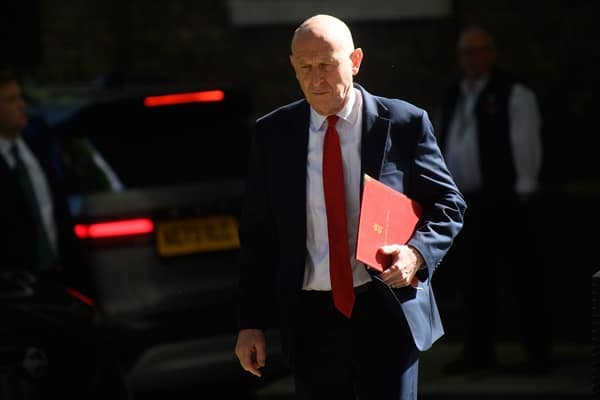
Britain’s financial leaders warn higher taxes could drive investment overseas and undermine growth, as unions demand a £9bn levy on bank profits to help households.
Britain’s biggest financial services groups have mounted a fresh campaign to stop Chancellor John Healey raising taxes on banks in his October 28 Budget, warning that a further squeeze on the City could drive investment abroad and undermine the Government’s growth ambitions.
The intervention, signed by the heads of UK Finance, the Confederation of British Industry and several leading financial industry bodies, intensifies the battle over who should bear the cost of repairing the public finances as households continue to face pressure from the cost of living.
David Postings, chief executive of UK Finance, and Rain Newton-Smith, his counterpart at the CBI, were among those who signed the letter to Healey. It argues that the financial services industry already faces a heavier tax burden than key international competitors.
Banks are subject to both a 3 per cent surcharge on profits and a separate levy on certain balance-sheet liabilities and equities, on top of taxes applying to businesses generally.
The letter warns that increasing the burden could have consequences extending well beyond the banking sector.
“As well as weakening investor confidence and damaging UK attractiveness, a higher tax burden may not necessarily generate higher tax receipts if capital, people and businesses move elsewhere,” it said.
The signatories also cautioned that higher taxes could reduce the availability of finance and protection for households and businesses, risking damage to the economic growth that Healey and the Prime Minister have identified as a central priority.
The City of London Corporation, TheCityUK and the Association for Financial Markets in Europe were among the other organisations backing the appeal.
The Treasury declined to comment on what it described as “speculation, rumour and proposals”. Healey met executives from Britain’s biggest banks and building societies earlier this week, but reports suggested he offered no indication of whether the sector would face higher taxes.
The lobbying reflects growing anxiety in the City that banks could become an attractive target as the Chancellor seeks to balance spending commitments with his fiscal rules.
Yet the industry’s warning has a powerful counterargument: banks have enjoyed a period of rising profits, while public finances remain constrained and households continue to struggle with higher living costs.
The Trades Union Congress, which represents unions with about 5.3mn workers, has called for the bank surcharge to rise to at least 8 per cent. It estimates that the increase could raise £9bn over four years, money that could be used to support households facing financial pressure.
The dispute exposes a familiar dilemma for the Government. Higher taxes on banks could provide additional revenue for public services and household support, but ministers must weigh those potential gains against the risk that investors redirect capital, jobs and business activity to competing financial centres.
For Healey, the challenge is to demonstrate that Britain can attract investment while asking profitable industries to contribute more towards the cost of government.
The City wants certainty before the Budget. Unions want banks to pay more. The Chancellor has yet to reveal where he will draw the line — but his decision will send a signal about how Britain intends to fund its ambitions for growth without placing the entire burden on taxpayers.


Leave a Comment