
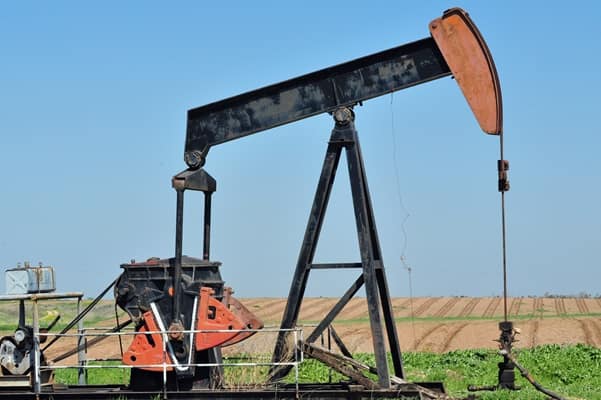
WTI crude futures were trading around USD 91.12 per barrel in the Asian session on the morning of October 9, down approximately 0.4%, while Brent declined nearly 0.5% to USD 103.79 per barrel.
Oil prices eased following the previous session’s sharp rally, although concerns over supply disruptions continued to support the market.
One factor helping ease concerns about a potential US attack on Iran in the near term was President Donald Trump’s statement on October 8. He said Washington was having productive discussions with Tehran and would not attack Iran before the November 3 midterm elections.
However, the prospect of easing tensions still needs to be reinforced by concrete progress in negotiations and improvements in shipping safety through the Strait of Hormuz.
Meanwhile, US supply remains under pressure from precautionary production shutdowns ahead of Hurricane Isaias. According to the MMA’s October 8 report, an estimated 1.28 million barrels per day, equivalent to 62.89% of offshore oil production in the Gulf of Mexico, had been temporarily shut in.
This disruption provides additional support for oil prices, but the duration of its impact will depend on post-storm facility inspections and the pace of operational recovery. Undamaged facilities can resume production once safety checks have been completed.
The prospect of additional supply from reserves could also limit oil’s upside. On October 7, IEA member countries supported accelerating the release of reserves pledged under the March 2026 programme, while prioritising diesel to the extent possible.
According to the IEA, approximately 100 million barrels already pledged have yet to reach the market. These additional volumes could help ease near-term tightness, but the extent of that relief will depend on the actual pace of releases and the restoration of supply flows from producing regions.
In my view, WTI’s near-term outlook still favours prices holding around USD 90 per barrel with scope for a recovery, as the risks of supply disruptions have yet to be clearly resolved.
Following yesterday’s sharp rally, prices could pull back as the market reassesses developments in US–Iran negotiations and the impact of Hurricane Isaias. The USD 89–90 per barrel area is therefore worth monitoring, but the recovery’s momentum will depend primarily on the duration of production disruptions and the ability to sustain oil shipments from the Middle East.
This outlook would weaken if negotiations make concrete progress, US production is restored quickly, and reserves reach the market promptly. In that scenario, easing supply concerns could lead WTI to cool further.


Leave a Comment