
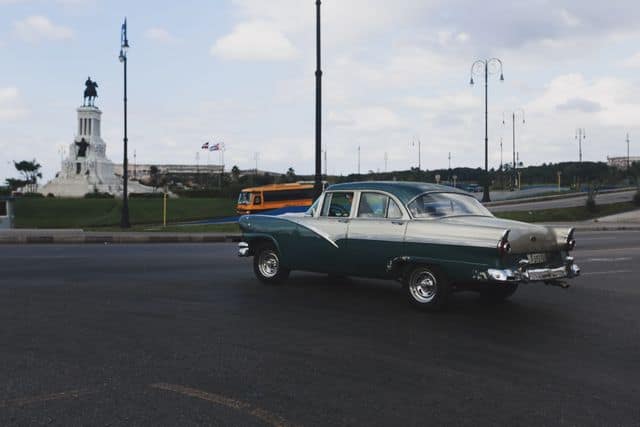
Automotive investors and private collectors are adjusting acquisition models as demand for rare mid-century models reshapes the international luxury market. Shifting demographics and preservation metrics continue driving high value across global sales.
Alternative asset markets are seeing increased interest in historic automobiles as tangible investments offering long-term aesthetic and historical valuation. You can diversify your portfolio by turning toward physical machinery that combines engineering heritage with strong financial stability.
Navigating this evolving market requires a clear understanding of shifting collector preferences, valuation standards, and expert verification. Building a collection around rare mid-century vehicles gives you a unique entry point into high-value tangible assets.
How do industry experts help you authenticate vehicle provenance?
Authenticating factory originality demands deep mechanical knowledge and access to historical production records. Whether you work with the experienced classic car dealer Alex Manos or someone local, they provide you with the market insight needed to verify original chassis numbers and factory build sheets. Specialised advisers guide you through complex negotiations while steering you away from subtle re-creations or incomplete records.
Professional evaluation protects your capital from hidden structural defects or altered stamping numbers. Establishing clear provenance maintains your vehicle’s standing among discerning global collectors.
What distinguishes original preservation from full restoration?
Collectors traditionally favoured immaculate ground-up restorations where every panel received new paint and fresh chrome. Market priorities have shifted dramatically toward survivor-condition vehicles that retain factory-applied finishes and matching-numbers components.
Original patina tells an unrepeatable story that pristine restorations simply cannot duplicate. Preserving authentic factory imperfections often commands a substantial market premium over vehicles that have undergone aggressive structural overhauls.
Why are collector demographics turning toward rare post-war cars?
Younger generations of high-net-worth buyers are entering classic vehicle auctions with distinct tastes focused on 1950s and 1960s roadsters. These investors value driveability, sleek mid-century styling, and cultural relevance over pre-war brass era machines.
Insights from Hagerty Automotive Intelligence show that buyer interest among Gen X and millennial collectors increased notably for iconic mid-century and vintage roadsters. Changing preferences among younger buyers continue to drive steady upward pressure on valuation across global auction houses.
Many younger collectors want cars they can drive, not just store. Classic cars with bold designs attract buyers who want style and fun driving. Social media has shown older cars to new people and taught them about car history. Cars made in small numbers after the war can be more appealing to collectors. These trends may change which classic cars get more attention at future auctions.
How do historic data trends inform your investment decisions?
Analysing long-term manufacturing metrics allows you to identify rare vehicle configurations before market prices spike. Tracking production figures, engine codes, and historical fleet attributes helps you spot underappreciated mid-century models with growth potential.
Records published by the United States Environmental Protection Agency track detailed historical vehicle attributes and production data spanning model years 1975 through 2026 across global automotive fleets. Examining detailed historical data frameworks helps collectors cross-reference mechanical specifications across decades of vehicle evolution.
Comparing production numbers helps collectors see how common or rare a vehicle is. Old records show changes in engines, equipment, and other features from year to year. Check market trends along with the vehicle’s condition, originality, and history.
Take detailed research notes. That makes it easier to compare cars over time. Using reliable historical data helps collectors make smarter choices before buying a classic vehicle.
What key criteria should you evaluate before buying?
Evaluating a candidate vehicle requires a methodical inspection process that goes beyond surface appearances. You must examine mechanical integrity, historical documentation, and structural condition before committing capital.
- Verify chassis numbers: Compare stampings on the engine block, frame, and transmission against official factory record books.
- Inspect structural condition: Check underlying panel seams and floor pans for hidden rust or non-factory repairs.
- Review ownership history: Trace previous logbooks, bill of sale records, and maintenance logs to confirm continuous chain of custody.
- Assess originality markers: Confirm original paint codes, interior upholstery materials, and factory trim tags remain intact.
Dynamic verification safeguards both short-term value and long-term resale potential. Following a structured inspection protocol protects your investment capital from undisclosed damage or questionable history.

Photo by Wesley Tingey on Unsplash
How can you build a balanced automotive portfolio?
Building a sustainable collection involves balancing marquee high-value models with accessible mid-century classics. You can mitigate risk by diversifying across different European and American marques rather than concentrating capital in a single brand.
Maintaining proper climate-controlled storage and periodic mechanical reconditioning keeps physical condition pristine across extended holding periods. Active management guarantees that your machinery remains roadworthy while appreciating as a physical alternative asset.
Discerning collectors benefit from partnering with reputable automotive specialists who understand provenance and market nuances.
Surrounding yourself with knowledgeable industry advisers guarantees every acquisition aligns with your long-term aesthetic and financial goals. Physical automotive assets offer a unique blend of heritage, driving pleasure, and lasting financial value when approached with diligence and professional guidance.


Leave a Comment