
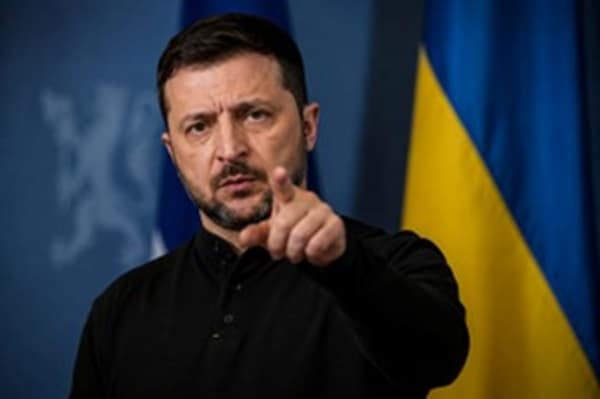
Ukrainian President Volodymyr Zelenskyy has effectively dismissed Russia’s proposed Victory Day ceasefire after another night of Russian drone and missile attacks struck cities across Ukraine, including a preschool in Sumy and multiple overnight strikes throughout the Dnipropetrovsk region.
The decision comes after days of intensifying bombardments, despite repeated Russian claims of seeking a temporary pause in fighting around May 9 commemorations in Moscow.
Kyiv argues the proposal was never a genuine ceasefire, but rather a political and propaganda exercise designed to protect Russia’s annual Red Square parade while attacks on Ukrainian civilians continued uninterrupted.
According to Ukrainian officials, Russian forces launched more than 100 drones and multiple missiles overnight, targeting regions across the country even as Moscow publicly spoke of de-escalation.
Ukrainian authorities reported that one of the strikes hit a kindergarten building in Sumy, killing a woman working as a security guard and injuring others.
Images from the scene showed emergency crews working through debris outside the destroyed preschool building, another reminder that civilian infrastructure remains firmly within Russia’s targeting patterns. The attack on the preschool has become symbolic of Kyiv’s broader argument: that Russia’s calls for “ceasefires” are increasingly detached from realities on the ground.
Ukraine says Russia launched 102 aerial attack weapons overnight, with 92 drones destroyed or suppressed by air defence and electronic warfare systems.
Zelensky stated that Russian forces violated the proposed pause thousands of times in just hours, accusing Moscow of prioritising the optics of military parades over human lives. Ukrainian officials say assault operations, aerial bombardments, and drone attacks continued across frontline sectors and civilian population centres throughout the night and into the morning.
Even in Dnipro this morning, residents again woke to the sound of Russian drones overhead as air raid alarms echoed across the city. Overnight attacks across the Dnipropetrovsk region reportedly damaged infrastructure, residential buildings, garages and vehicles in multiple districts. Local authorities said Russian forces attacked the region nearly 30 times using drones and artillery, continuing a sustained pattern of pressure on civilian areas far from the immediate frontline.
For many residents in central and eastern Ukraine, the reality has become painfully routine. In cities like Dnipro, where attacks have intensified in recent weeks, many civilians describe sleeping in corridors, basements, or simply remaining awake listening for the sound of incoming drones and ballistic missiles.
Russia’s proposed ceasefire was tied specifically to Victory Day celebrations on May 9, one of the Kremlin’s most politically significant annual events commemorating the Soviet Union’s role in defeating Nazi Germany during the Second World War. But Ukrainian officials say the symbolism has become increasingly hollow as Russia continues striking civilian targets across Ukraine while simultaneously portraying itself as a defender of historical memory.
The irony has not been lost on Ukrainians living under daily bombardment.
While Moscow prepares military parades and patriotic displays, Ukrainian cities continue absorbing wave after wave of drone strikes, cruise missiles, glide bombs and artillery attacks. Over recent days alone, attacks have hit apartment buildings, transport infrastructure, energy facilities and now educational buildings. Ukrainian officials and international observers argue the scale and consistency of these attacks demonstrate that Russia has little genuine interest in meaningful de-escalation.
The microphone didn’t pick it up that well, but you can just about hear a drone passing the house. Sometimes you don’t hear the air raid alarm at all, you just wake up to explosions or air defence firing.
If you went to the shelter every time the siren sounded, you’d never… pic.twitter.com/hXQO5eJDVF
— Shaun Pinner (@ShaunPinnerUA) May 7, 2026
The situation has also heightened tensions around this year’s Victory Day celebrations themselves. Security measures in Russia have visibly increased amid fears Ukraine could target military infrastructure or symbolic sites connected to the parade. Several Russian regions have reportedly cancelled public celebrations over security concerns, while authorities in Moscow have expanded air defence deployments and tightened restrictions around the capital.
Kyiv has repeatedly maintained that any real ceasefire cannot be limited to symbolic dates or political theatre. Ukrainian officials continue calling for sustained international pressure, stronger sanctions, and increased military support, arguing that temporary pauses designed around ceremonial events merely allow Russia to reshape narratives without changing battlefield realities.
Moscow has since gone even further. Russian Foreign Ministry spokeswoman Maria Zakharova issued a statement warning foreign diplomats and international organisations to evacuate personnel from Kyiv ahead of May 9 celebrations, claiming a Russian “retaliatory strike” on the Ukrainian capital would be “inevitable” if Ukraine disrupted Victory Day events in Moscow.
Meanwhile, for civilians in places like Sumy, Kharkiv, Zaporizhzhia and Dnipro, the war continues exactly as before. The sound of drones overhead this morning in Dnipro served as another reminder that whatever language Moscow uses publicly, the attacks have not stopped. The strikes continue through the night, through proposed truces, through diplomatic statements, and increasingly through areas far removed from active combat zones.
For Ukrainians living through it daily, the distinction between “ceasefire” and continued war has become impossible to ignore. With little genuine international pressure for a real ceasefire, and limited condemnation of Russia’s escalating attacks on civilians, the bombardments will likely continue unabated, as many now anxiously wait to see how Kyiv responds on May 9.
Moscow’s Main Parade Now ‘Depends on Us’ – Zelensky.


Leave a Comment