
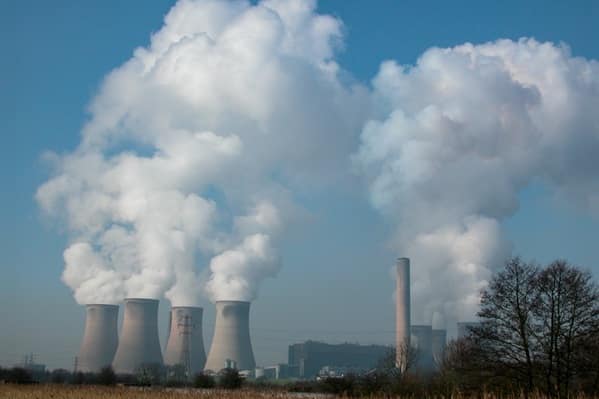
Britain may need to reconsider modern coal-fired power generation as part of its long-term energy strategy, according to a new paper which argues that mounting security risks and constrained capacity across the electricity system are forcing difficult choices back onto the table.
The report, Thinking the Unthinkable, Coal Power and National Security, published by Net Zero Watch and authored by Andrew Montford, claims the UK’s energy system has become increasingly exposed to external shocks, rising costs and infrastructure vulnerabilities.
It argues that Britain’s dependence on imported gas, ageing nuclear capacity and an expanding reliance on offshore wind has left the system more fragile than policymakers acknowledge.
The paper warns that the UK’s growing reliance on imported liquefied natural gas and Norwegian supplies leaves it vulnerable to global price swings and geopolitical disruption. It also highlights the strategic importance of key infrastructure such as the Langeled pipeline, alongside concerns over the security of offshore wind cables.
It further argues that electricity system resilience is being undermined by the retirement of dispatchable generation, with ageing gas and nuclear plants expected to come offline before sufficient replacement capacity is in place.
While the report maintains that nuclear power remains essential to Britain’s energy mix, it says it cannot provide a near-term solution due to long construction timelines and delivery delays.
It also questions whether gas-fired generation can bridge the gap, citing global competition for turbines and rising demand from sectors such as data centres and artificial intelligence infrastructure.
In what is likely to prove a politically contentious conclusion, the paper suggests Britain should reopen debate on the role of modern coal-fired power stations in the national energy mix.
It argues that new-generation coal plants could provide reliable baseload electricity while operating to significantly higher environmental standards than older stations, potentially reducing exposure to volatile international gas markets.
The paper estimates that modern coal generation could produce electricity at around £64 per megawatt hour for initial units, falling to roughly £55 per megawatt hour as deployment scales up. This compares with current gas generation costs of around £70–£80 per megawatt hour, according to its analysis.
Supporters of the argument say the case reflects growing concern about energy security, affordability and system resilience as Britain transitions away from fossil fuels.
However, the suggestion is likely to reignite debate over climate commitments, emissions targets and the role of coal in a net zero framework, with critics expected to argue that any revival would conflict with long-term decarbonisation goals.
The report concludes that Britain must urgently reassess its assumptions about energy security, warning that the risks of system under-capacity and price volatility are increasing as traditional generation sources are phased out faster than replacements come online.
Andrew Montford, Director of Net Zero Watch, said: “After decades of neglecting baseload generation, Britain now has to face choices many in Westminster would rather avoid.
“Energy security means enough power, available when needed, from a system that can withstand sabotage, war, price shocks and hostile pressure. Germany, Italy, South Korea, Japan and Ukraine all show that coal remains part of the hard reality of energy security. Ukraine’s wartime experience shows, in the hardest possible way, why resilient firm power, coal included, is a national security issue.
“Ministers and opposition politicians should now return to first principles and reconsider the role domestic coal could play in restoring secure firm power, alongside nuclear and other dispatchable generation.”


Leave a Comment